China Mobile Cloud and Zhipu signed an agreement on 6 November to integrate Zhipu’s GLM models into the MoMA model-service platform and jointly develop AI coding products, Pandaily reported. The agreement sets out work on model services, technical optimisation and industry applications; it does not launch a finished joint service.
Key points
- The partners plan a Token Development Center to adapt models to domestic computing hardware and improve token-production efficiency.
- Zhipu’s GLM family is slated for integration into China Mobile Cloud’s MoMA model-service platform.
- The companies plan joint AI coding products and solutions for finance and government applications.
GLM integration on the MoMA platform
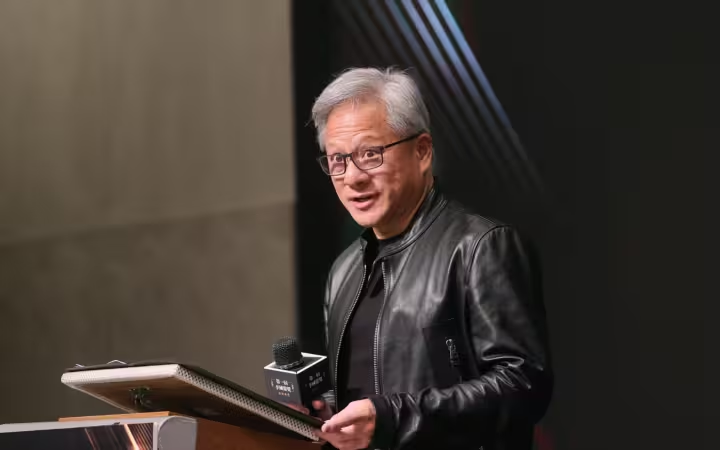
Beijing Zhipu Huazhang Technology and China Mobile Cloud Company signed the cooperation agreement with Sun Shaoling, Mobile Cloud’s general manager, and Zhang Peng, Zhipu Huazhang’s chief executive, present, KuCoin reported. The agreement covers token technology, model services, product development and industry solutions.
MoMA is China Mobile Cloud’s model-as-a-service platform. Under the agreement, Zhipu’s GLM family is to become part of that offering. Pandaily reported that the announcement did not identify the GLM versions to be supported, set out how customers would gain access or provide a service-level commitment. The planned connection therefore precedes the information a customer would need to assess a deployment.
For China Mobile Cloud, the planned integration would add Zhipu’s models to a platform through which it offers model services. For Zhipu, it would provide another route to users of those services. Those are the roles the agreement assigns the companies.
Token Development Center targets hardware adaptation
The companies also plan to establish a Token Development Center. Its work is intended to adapt models to domestic computing hardware and optimise them to improve the efficiency of token production. That puts the technical effort alongside the MoMA integration: the partners intend both to make the models available through a service platform and to work on how efficiently they run.
Efficiency remains an objective of the planned centre rather than a measured result. The agreement sets out the area of research, while the companies’ stated aim is to improve token production as they adapt and optimise models.
Zhipu coding products and industry solutions
China Mobile Cloud and Zhipu intend to develop AI coding products together, as well as a broader group of intelligent products. Separately, the partners identify finance and government applications as priorities for proposed solutions combining computing resources, models and applications. Product development is a separate undertaking from bringing the GLM family onto MoMA: the agreement calls for the companies to build tools as well as connect existing models to a service platform.
Pandaily reported that the announcement named no new coding application, gave no feature list or public release date, and included no named customer deployment, adoption figure, independently evaluated outcome or price schedule for the proposed industry offerings. The agreement identifies intended users and the components of the solutions, rather than an operational change at a finance or government customer.
The partnership’s work covers three distinct undertakings: technical adaptation through the planned centre, GLM integration into MoMA and joint product development. The companies identified finance and government applications as priorities for solutions combining computing resources, models and applications.