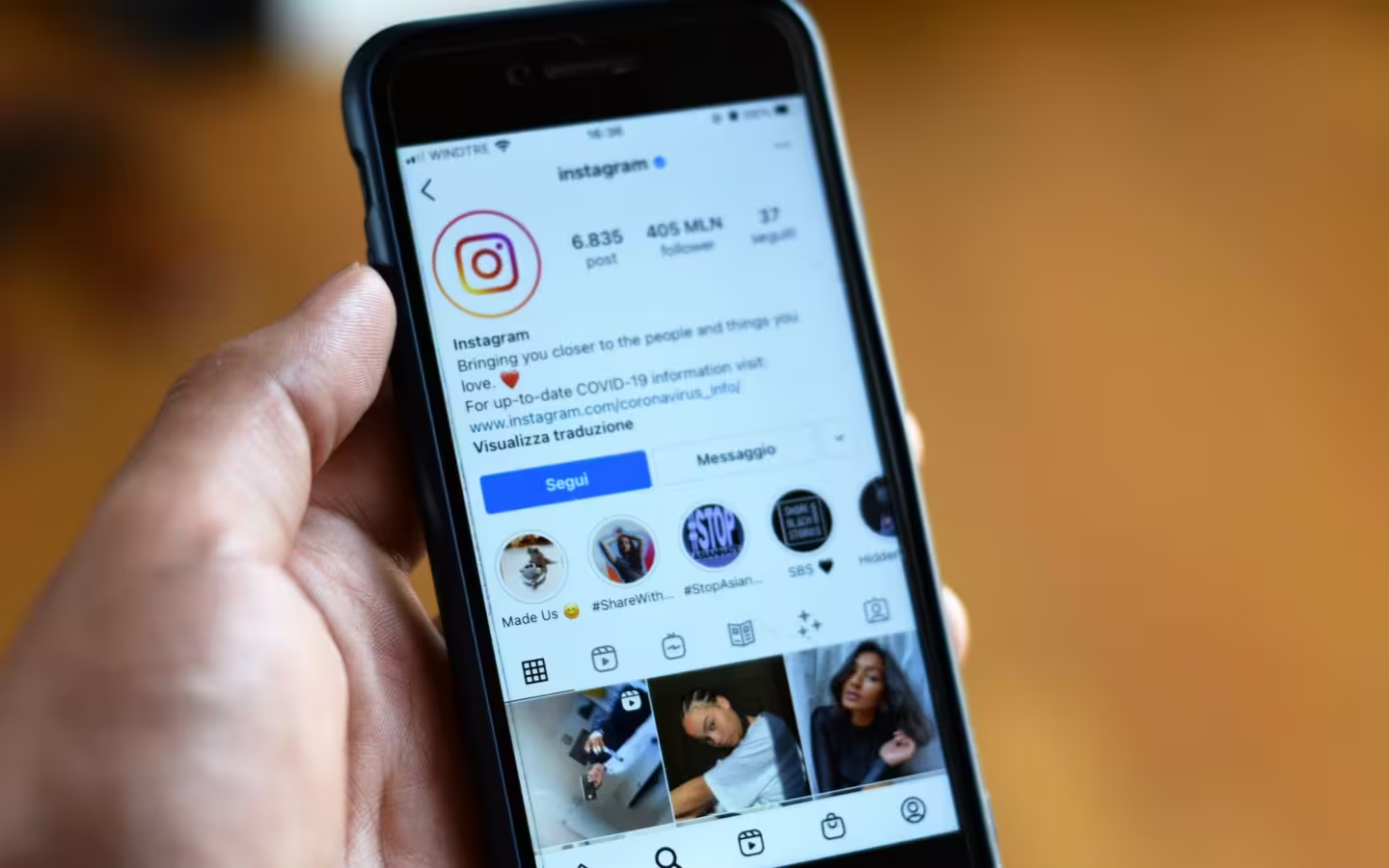
Meta said on 9 November 2026 it was expanding its Instagram AI age-estimation system from earlier deployments to a global rollout, aiming to place millions more teenagers under Teen Account restrictions even if they registered with an adult birth date. The announcement extends an existing method of finding users Meta suspects are teens rather than relying solely on the age entered when an account is created.
Key points
- Meta says the global rollout will place millions more Instagram users in Teen Accounts, including teens who gave an adult birth date.
- The system uses account activity and visual cues to estimate age. In Australia, Meta has added Apple’s age-range signal.
- The expansion follows an agreement with 52 US attorneys general to strengthen age assurance.
Instagram extends its age checks worldwide
The technology was introduced in the US, EU and Brazil in 2025, The Verge reported. It looks for signs that an Instagram user may be under 18, including the profiles and content they engage with and birthday messages sent to them. Its assessment can also draw on themes and visual features in uploaded photos and videos, including height and bone structure.
Meta says it uses AI to identify people it suspects are teenagers even when their accounts carry an adult birth date. The company says the wider rollout will put millions more teens in age-appropriate settings.
Instagram uses the system to remove accounts it believes belong to children under 13, the minimum age for a Meta social account, The Verge reported. Users identified as 13 to 17 are placed in Teen Accounts. That makes the age estimate consequential for both access to the service and the settings applied to an account already in use.
Teen Accounts restrict contact and content
Teen Accounts are private by default, restrict the content available to young users and stop strangers from sending them direct messages. Parents and guardians can supervise an account, set time limits and monitor Instagram use. Users aged 16 or younger need parental or guardian permission to change Teen Account settings.
Those restrictions apply automatically when the age-estimation system identifies a teenager, including one who supplied a false adult birth date. Meta says Teen Accounts across Instagram, Facebook and Messenger also have built-in limits on who can contact teens, what content they see and the time they spend on the apps.
Meta says parents in the US will begin seeing an Instagram in-feed video about its age-assurance approach in November 2026. The video will link to an article by Larry Magid, president and chief executive of ConnectSafely, about checking that a teen’s age is accurately recorded. The Verge reported that US parents would begin receiving Instagram notifications explaining the process in December 2026.
Apple adds an age signal in Australia
In Australia, Meta says it has begun using Apple’s age-range signal as another way to assess a user’s age. Under the process Meta describes, a parent can choose to have the app store establish an age range when setting up a teenager’s phone. Apple then passes that range to a developer when the teenager downloads an app, allowing the developer to check whether the user meets its age requirement.
Meta supports rules requiring app stores to verify age and obtain parental consent. It argues that a device-based signal shared with developers would give apps a more consistent basis for applying age restrictions, while developers’ own estimates could help correct mistakes in that signal. Apple’s signal remains an additional method in Australia rather than the basis of Meta’s global rollout.
The expansion follows a $17.1 billion lawsuit settlement in August 2026 under which Meta agreed to strengthen age assurance and impose tighter restrictions on teenagers. Meta says its agreement with 52 bipartisan US attorneys general includes work to identify accounts that may belong to children under 13 and teenagers aged 13 to 17. The company is also calling on TikTok and YouTube to adopt similar age-assurance practices.