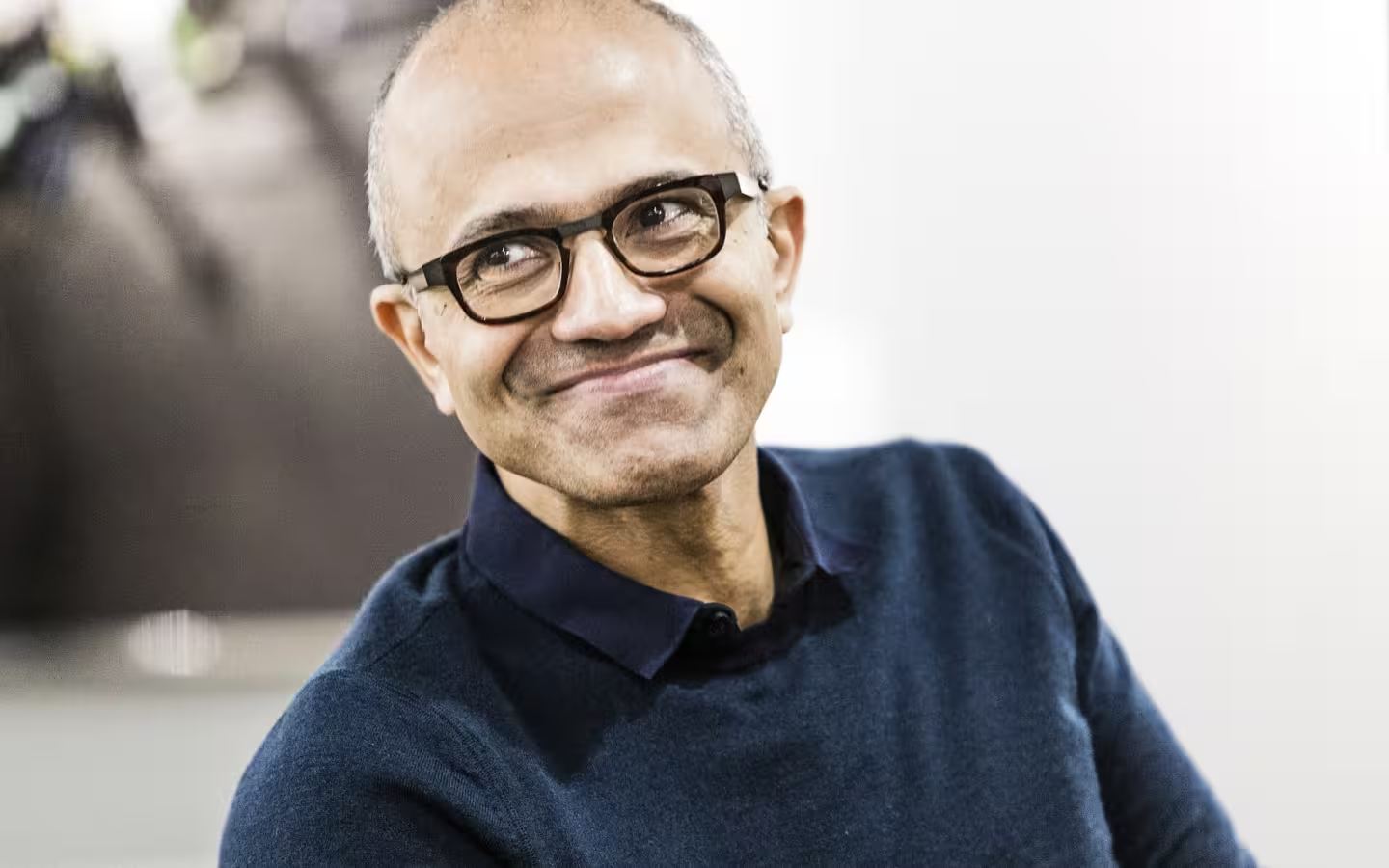
Microsoft is working to cut AI service costs and expand its partner ecosystem as Azure revenue grew 41 per cent and passed USD 100 billion for the first time, chairman and chief executive Satya Nadella said in his annual letter on 22 October, Devdiscourse reported. The annual letter reviewed Microsoft’s fiscal 2026 performance and outlined Nadella’s plans to serve AI demand and build infrastructure for Copilot.
Key points
- Nadella says customers will weigh the cost of AI tokens against the results they produce.
- Microsoft says it is increasing computing capacity and making its infrastructure more efficient.
- Microsoft Cloud revenue rose 27 per cent to USD 214.4 billion in fiscal 2026.
- Microsoft 365 Copilot passed 30 million paid seats.
Nadella puts outcomes beside token costs
Nadella calls the relationship between AI spending and its results the “cost-to-outcome” frontier. “Customers will increasingly measure the cost of tokens against the outcomes they produce,” he said. He argued that inference — using a trained model to generate a response — makes the cost of each additional use an important part of software economics.
Running models more often can make those costs add up for businesses, Open Magazine reported. Nadella said Microsoft is trying to improve the cost-to-outcome calculation through infrastructure efficiency and lower costs for AI-powered services. The measure he describes concerns what a customer gets from AI spending, rather than the number of model responses alone.
Nadella described AI as moving from experimentation towards broader adoption. Microsoft’s stated approach connects the cost of running models with the work customers use them to perform. For a company selling both cloud computing and AI software, those costs sit alongside demand for the capacity needed to provide the services.
Microsoft builds capacity for customers and Copilot
Nadella said Microsoft is deploying capacity faster, improving infrastructure efficiency and reducing costs as customer demand grows. He said the investment serves a range of customers and supports Microsoft’s own products, including Copilot. His letter places infrastructure for third-party users and the company’s software within the same investment programme.
Microsoft said in its July 2026 earnings announcement that its cloud footprint gained 31 facilities in five continental regions during the final quarter, according to Open Magazine. The expansion is part of the capacity behind the services Nadella discussed in his letter. He said demand and efficiency gains underpin his confidence in the long-term returns on Microsoft’s investments.
The other part of Nadella’s strategy is to give developers, businesses and partners more scope to build on Microsoft’s technology. He said the company is building an ecosystem in which others can create value through its platform. AI Affairs previously reported Microsoft’s move to combine Copilot products for corporate customers.
Azure and Copilot anchor Microsoft’s results
Microsoft recorded fiscal 2026 revenue of USD 331.8 billion, up 18 per cent from a year earlier, Nadella said. Microsoft Cloud revenue rose 27 per cent to USD 214.4 billion. Azure, its cloud computing platform, grew 41 per cent and exceeded USD 100 billion in annual revenue for the first time.
Nadella also said Microsoft 365 Copilot had passed 30 million paid seats. That figure counts paid access to the product, while Azure’s revenue measures sales from Microsoft’s cloud platform. Together, the figures cover the two sides of the business he discussed in the letter: infrastructure used to deliver services and an AI product sold to customers.
Operating income increased 21 per cent to USD 155.2 billion in fiscal 2026, Nadella said. He linked his confidence in future returns to the demand Microsoft is seeing and the efficiencies it is pursuing, while saying the company must remain disciplined about what it builds and whom it builds for.