SK Group chairman Chey Tae-won presented a plan linking chips, infrastructure, energy and AI services to about 50 executives at the group’s 12–14 November CEO Seminar in Icheon, South Korea, The Korea Herald reported. The plan asks affiliates to find opportunities beyond their existing businesses as SK seeks to extend its AI activities into models, applications and services.
Key points
- Chey’s proposed cycle starts with AI chips and computing facilities, then draws in electricity, energy infrastructure and services.
- SK wants to enter markets for AI models and applications and for trading computing resources and services.
- The group will continue Portfolio Rebalancing 2.0 alongside its AI expansion.
- SK hynix, SK Innovation, SK Telecom and SK Gas are applying AI to existing operations.
The CEO Seminar is SK Group’s annual meeting for senior executives to review performance and discuss future strategy, Maeil Business Newspaper reported. Executive Vice Chairman Chey Jae-won and SK Supex Council Chairman Chey Chang-won attended the meeting at the SKMS Research Institute. Executives considered opportunities and risks across the affiliates’ businesses.
Chey links SK’s chips to services
Chey described an “AI flywheel” in which SK’s semiconductors support the expansion of AI factories — large computing facilities — and those facilities create demand for power, energy infrastructure and services. Growth in those businesses would, under the plan, generate further demand for semiconductors and investment in chip technology.
SK also aims to expand its business into AI models and applications and take part in what it calls a “token economy”, where computing resources and AI services are traded. That would take the group beyond supplying the chips and infrastructure used to run AI systems. Its proposed services business depends on customers adopting those offerings, Financial News reported.
Chey urged affiliates to find roles in that wider chain rather than confine themselves to established lines of business. “We must break away from existing business frameworks and redefine ourselves as an AI company,” he said, according to The Korea Herald. He also called for open collaboration with global partners to strengthen the group’s capabilities.
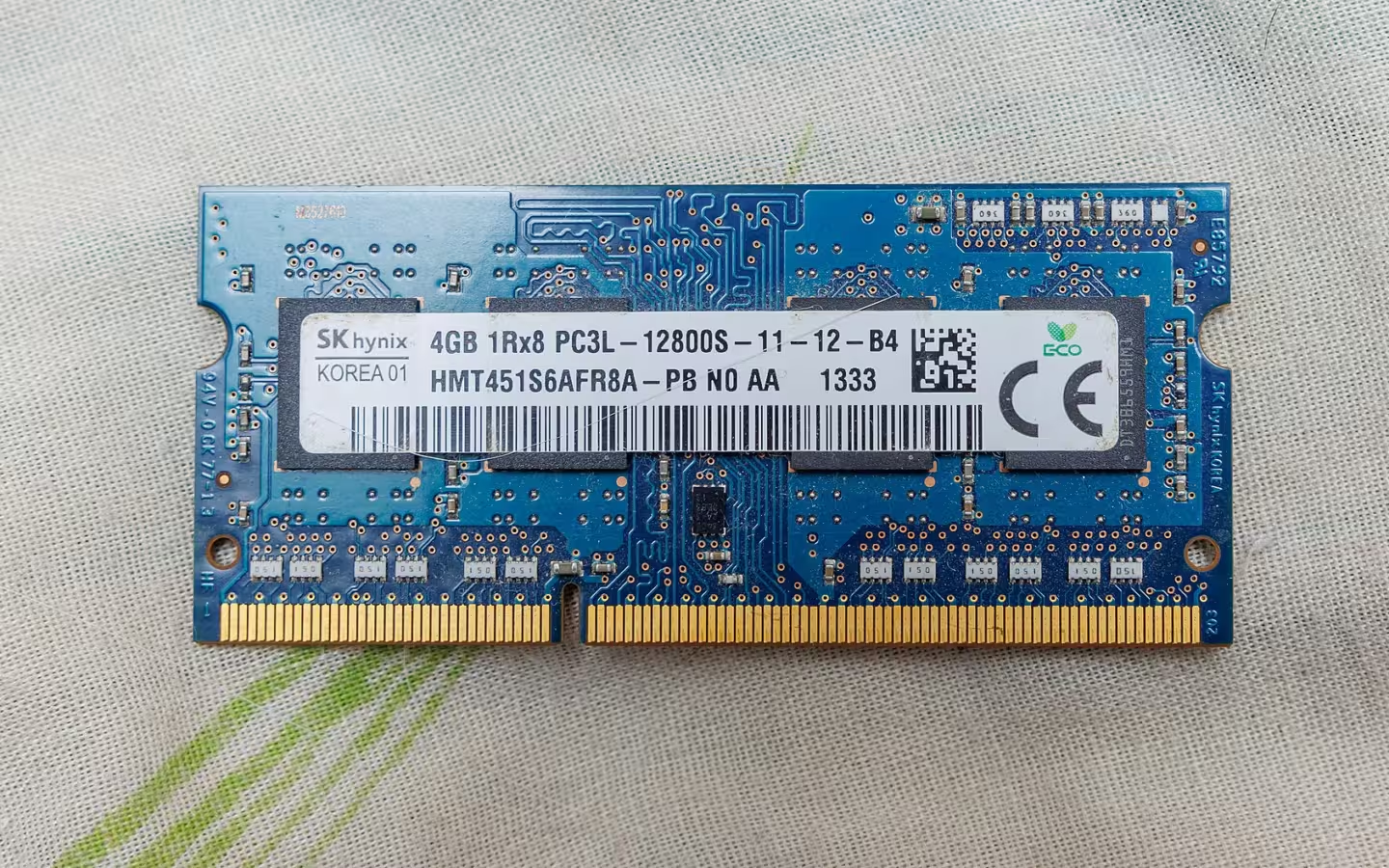
The expansion connects businesses SK already operates with activities it wants to build. SK hynix makes AI semiconductors, while the group’s infrastructure and energy businesses sit alongside its proposed models and services. Chey’s plan relies on growth in one part of that chain creating demand for another.
Portfolio Rebalancing 2.0 continues alongside investment
SK executives agreed to continue Portfolio Rebalancing 2.0, the group’s programme to streamline inefficient operations and strengthen core businesses. Financial News reported that SK plans to allocate capital according to its cash-generating capacity while balancing financial stability with future investment.
Semiconductor production, data centres and power infrastructure require substantial investment, while revenue from AI services depends on how quickly customers are acquired, Financial News reported.
The strategy follows a separate investment plan. AI Affairs previously reported Chey’s planned chairmanship of SK hynix’s US AI arm and an investment plan of up to US$10 billion.
SK affiliates apply AI in existing operations
SK is also extending AI use within its current businesses. SK hynix is upgrading its smart semiconductor fabs with AI and digital twin technology to improve manufacturing efficiency. SK Innovation has introduced an ontology-based process map at its Ulsan CLX complex, linking equipment and operational data to improve production yields.
SK Telecom is automating network and service operations to improve productivity and customer experience. SK Gas uses AI to analyse market conditions and organise operational knowledge for faster decisions. The group plans to extend such uses across its operations as part of an effort to improve productivity and profitability.
At the seminar, affiliates discussed how AI could reduce costs in existing businesses and how they might earn revenue from the technologies and data developed in their operations. Executives also examined opportunities outside their own business lines as they worked through the roles each affiliate could take in Chey’s proposed cycle.