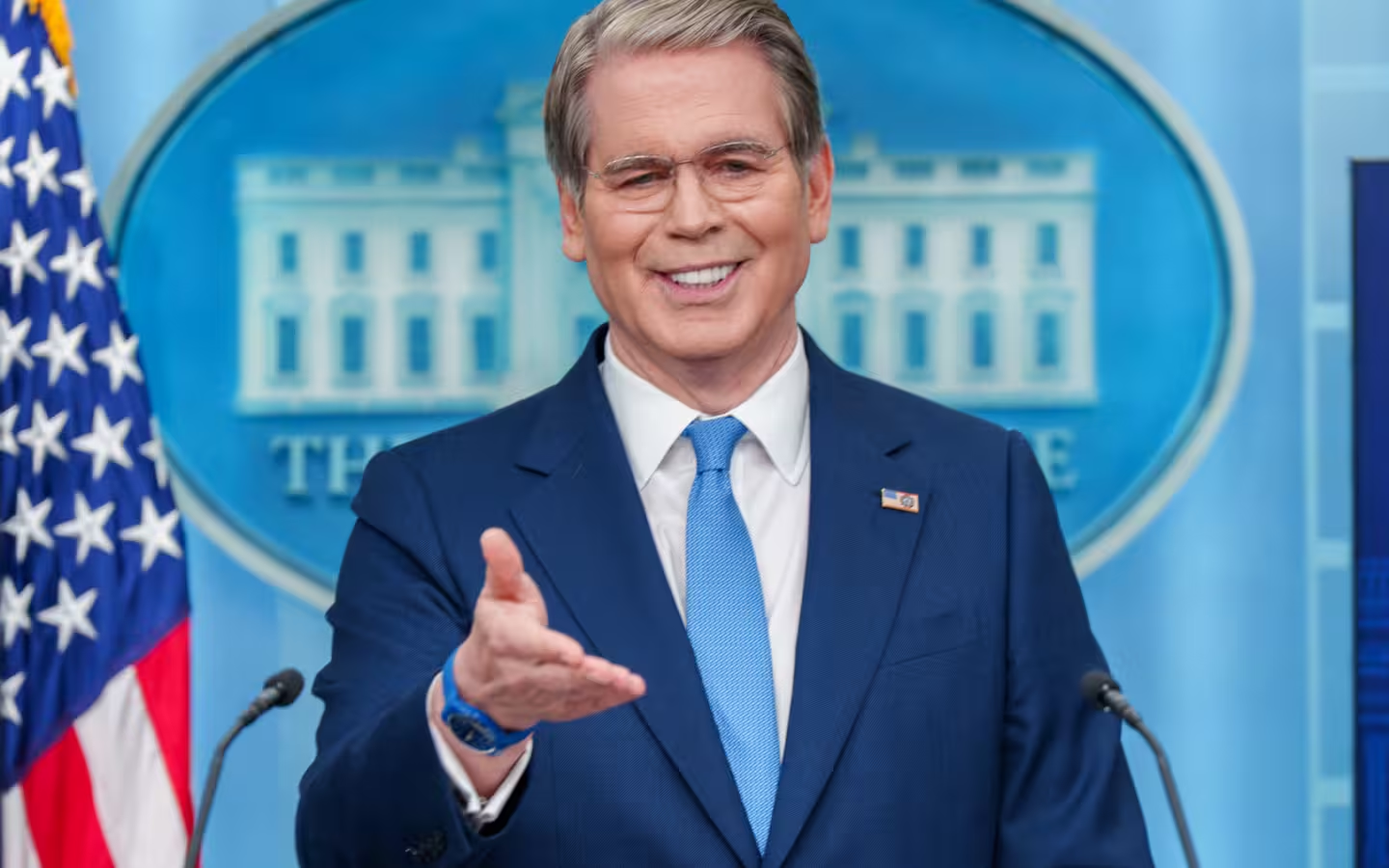
US Treasury Secretary Scott Bessent said in a CNBC interview on 13 November 2026 that four parts of the administration had wanted Megaspeed placed on an export-control list for months, but the Commerce Department controlled the decision. His account put a dispute over restricting the Singapore-based company, which faces allegations of helping divert Nvidia chips to China, in public view.
Key points
- Bessent said Treasury, Defense, State and the Office of the U.S. Trade Representative had favoured adding Megaspeed to the entity list for months.
- He said Commerce controlled that list and distinguished its export-control authority from Treasury’s sanctions authority.
- A Commerce spokeswoman denied that Bessent and Commerce Secretary Howard Lutnick had a reported conversation in the White House Situation Room.
- Bessent also questioned Nvidia’s checks on customers he described as pass-through shell companies.
Bessent names four agencies seeking a listing
Bessent said the departments of Treasury, Defense and State, along with the Office of the U.S. Trade Representative, “were in favor of putting Megaspeed on the entity list for months”. The entity list is a Commerce Department export-control measure that restricts shipments to named companies. Bessent directed questions about why Megaspeed had not been added to Commerce: “you will have to ask them about their internal processes”.
That division of responsibility matters for exporters. Support for a listing inside other departments does not itself place a company under the restrictions. Commerce’s decision determines whether an entity-list measure applies to shipments involving that company. Bessent’s account concerns a proposed listing, rather than an announcement that Megaspeed has been listed.
Bessent linked his frustration to President Donald Trump’s position on advanced chips. “I am frustrated when President Trump made it very clear that China should not receive any Nvidia chips above H100s,” he said. He called any leakage “very frustrating” and said he believed there was substantial leakage in the export system. Those were Bessent’s assessments, not a finding in the interview about which processors reached China through Megaspeed.
The allegations surrounding the company have also reached Singapore. AI Affairs previously reported that Megaspeed hired US counsel for a chip census as Singapore barred Alice Huang’s re-entry. Huang is a former Megaspeed executive whom US intelligence reportedly suspected of spying for China. AI Affairs also covered reporting that traced banned Nvidia chips to a Shanghai data centre. Those accounts form the background to the proposed restriction, while Bessent’s complaint is about which US department could impose it.
Commerce disputes the Situation Room account
The disagreement has another, contested element. CNBC reported that Commerce Department spokeswoman Kristen Eichamer said on 11 November that Bessent and Commerce Secretary Howard Lutnick had “no such conversation” in the White House Situation Room. Asked about the reported encounter, Bessent replied: “We don’t repeat conversations in the Situation Room.” His answer did not resolve the competing accounts of that encounter.
Bessent also drew a boundary around his own department’s powers. Bessent said OFAC did not control exports and identified BIS as the decision-maker, according to The Times of India. OFAC is Treasury’s sanctions office; BIS is the Commerce bureau responsible for export controls. Bessent said the administration already had the authorities it needed and that they had to be implemented.
Commerce’s authority over the list gives its decision practical force even when other departments favour action. Bessent’s remarks identify those departments and their preferred measure, while Eichamer’s denial addresses the reported conversation with Lutnick. Neither account changes which department administers the export-control list at issue.
Bessent questions Nvidia’s customer checks
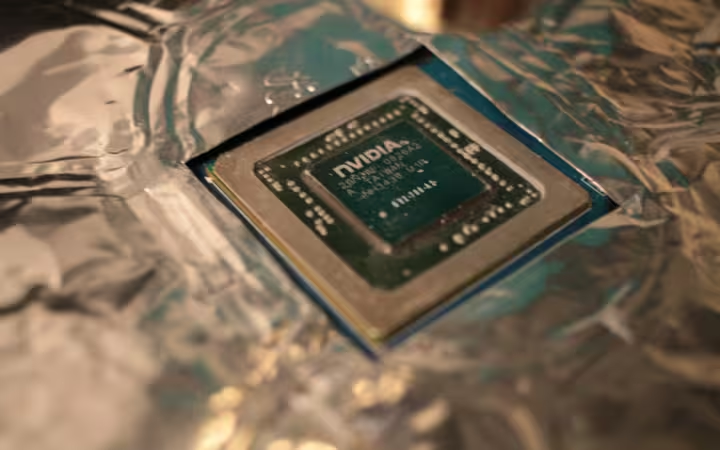
Bessent turned from the listing decision to Nvidia’s conduct. Asked whether high-end processors had reached China through Megaspeed, he questioned whether Nvidia knew its customers and had made a robust effort to prevent leakage. He described the buyers at issue as “obviously pass-through shell companies” and said people at Nvidia should be held accountable. Those are allegations and questions from the Treasury secretary, not an established account of what Nvidia knew.
The interview followed Jensen Huang’s resignation as Nvidia chief executive on 12 November. CNBC reported that he resigned after admitting to an affair amid scrutiny of his relationship with Alice Huang. Bessent said attention had centred on Huang’s personal conduct, but argued that Nvidia’s knowledge of its customers deserved examination too.
China opposed calls for further restrictions. Foreign ministry spokesperson Mao Ning said export controls disrupted industrial and supply chains and served no party’s interests, CBS News reported on 13 November. She made the remarks when asked about US lawmakers’ calls to tighten controls on chip-equipment exports to China.