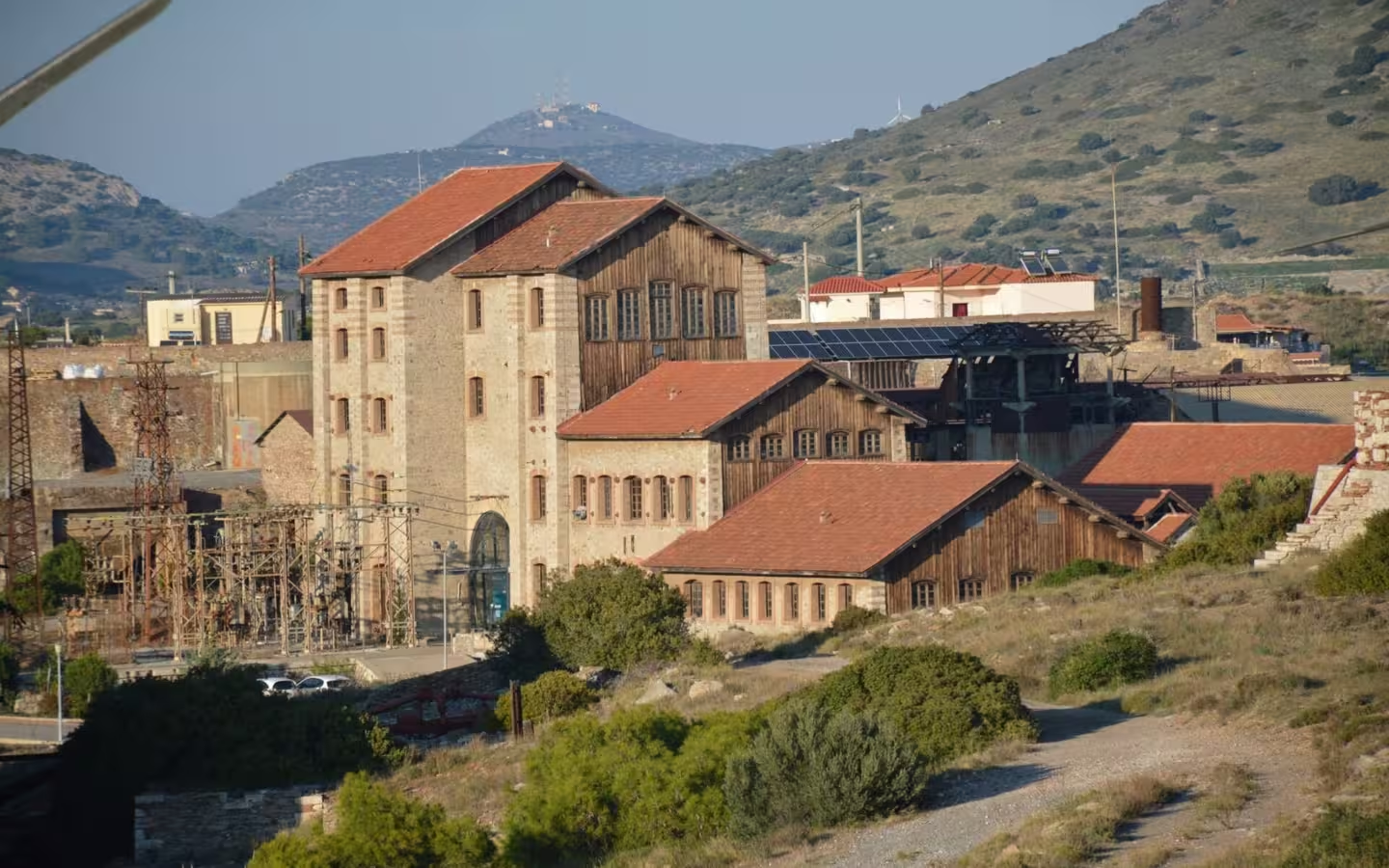
Greek Prime Minister Kyriakos Mitsotakis inaugurated the Daedalus supercomputer at the Technological and Cultural Park of Lavrio on 19 October 2026, Streamline Feed reported. The €41 million project is intended to give Greece more computing capacity for AI and scientific research. Its place in the AI Factory Pharos initiative also makes the machine part of a plan to offer that capacity to universities, public institutions and private enterprises.
Key points
- Daedalus reached a measured performance of 85.69 petaflops.
- GRNET managed the project with HP Hellas, which won its contract through an international competition.
- AI Factory Pharos is designed to provide Greek academic, public and private users with computing for AI training and data analysis.
- European structural funds provided substantial support for the €41 million project.
Daedalus takes over from ARIS
Daedalus replaces ARIS, Greece’s previous national supercomputer. The older system had served scientists for several years, while growing volumes of data from scientific instruments put increasing demands on its capacity. Streamline Feed reports that Daedalus reached 85.69 petaflops in a performance measurement. That figure describes computing speed, rather than the amount of capacity individual users will receive through the new facility.
Reducing dependence on computing infrastructure abroad is one purpose of the project. Naftemporiki reported on 19 October that Greece was acquiring capacity to develop advanced AI models and rely less on similar facilities outside the country. The investment is also designed to reduce reliance on external commercial cloud providers for sensitive national research. For the institutions expected to use Daedalus, domestic access is intended to lessen reliance on computing infrastructure abroad.
The project was managed by GRNET, the Greek Research and Education Network, in collaboration with HP Hellas. HP Hellas obtained the contract through an open international competition. Daedalus uses liquid cooling and energy-efficient processors. Its Lavrio installation places computing, data storage and networking infrastructure together at the Technological and Cultural Park, where AI Factory Pharos is intended to bring research and other users onto the same infrastructure.
AI Factory Pharos widens the intended users
Daedalus is the computing centre of AI Factory Pharos, an initiative designed to offer Greek academia, public institutions and private enterprises access to resources for training AI models and analysing large datasets. Those intended users extend beyond the scientific community served by ARIS. The arrangement gives public bodies and companies a prospective domestic route to intensive computing alongside researchers, while retaining a place for Greece in a wider European network of supercomputers.
Streamline Feed says the €41 million cost was heavily supported by European structural funds and places Daedalus within the EuroHPC Joint Undertaking, the European Union initiative to develop supercomputing infrastructure across member countries. It puts Greece among 15 European countries hosting sovereign high-performance computing infrastructure. National access and European participation are therefore parts of the same project: Greece hosts the machine, while European funding helps pay for it.
Lavrio’s cooling and energy plans
Running a supercomputer also brings continuing demands for power and cooling. At Lavrio, the facility uses warm-water liquid cooling, which requires less electricity for thermal management than conventional air cooling. The Technological and Cultural Park is exploring links with local renewable-energy grids, and plans are under way to pair the facility with nearby solar installations. The planned solar installations are intended to supply clean energy for the facility.