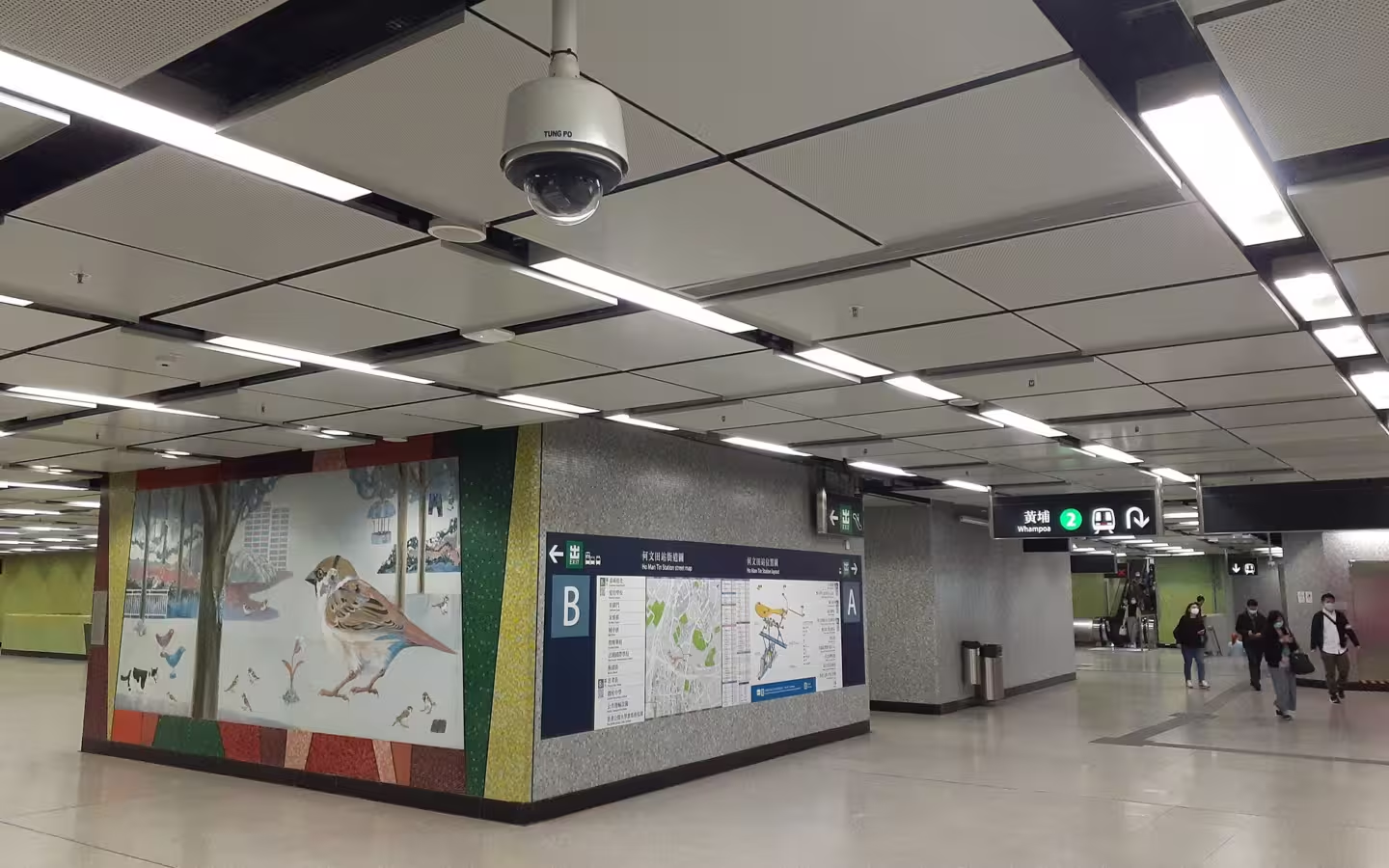
Hong Kong police activated facial recognition on the SmartView surveillance network on 16 November, CNA reported. The move adds automated searches and tracking to a CCTV programme launched in 2024. Police Commissioner Joe Chow announced the rollout over the preceding weekend. Security chief Chris Tang had told lawmakers that the AI functions would monitor crowds, read licence plates and track criminal suspects.
Key points
- Police plan to use facial images to search recorded footage for suspects and to generate live alerts, primarily when looking for vulnerable missing people.
- Police say access to footage must pass an internal necessity and proportionality test. Facial biometric data is expected to be kept for around 180 days.
- Authorities aim for a network of 60,000 cameras by 2028 and are discussing direct connections with private shopping centres.
SmartView searches footage and generates live alerts
The recognition module has two operating modes, The Standard reported on 6 November. For a retrospective search, officers can enter a suspect’s facial image and check whether the person appeared at selected camera locations or during specified periods. For live tracking, intended primarily to find vulnerable missing people, officers can use photographs supplied with family authorisation. A match within camera range then sends an alert to frontline commanders.
Operations Bureau Senior Superintendent Leung Ming-leung said the automated analysis would reduce the work involved in reviewing and cross-referencing recordings. Operations Bureau Superintendent Raymond Cheng said the computing demands of continuous recognition meant it would not operate on every camera at once. Police could instead direct capacity to particular cameras for particular cases, while deploying the algorithms less often on high-speed expressways.
Chow told TVB on 15 November that the tools would mostly be used for missing-person or criminal cases, Hong Kong Free Press reported. He said investigative tools were subject to checks so they would not be abused. Asked whether masks or disguises could defeat recognition, Chow said police would withhold technical and operational details.
SmartView access and biometric retention
Leung described an internal two-stage test before officers access SmartView footage. An inquiry must be necessary to solve a crime, he said, and the number of cameras and the period requested must be proportionate. He said collection was confined to national security, crime prevention and detection, public safety and public order. Those are police descriptions of the controls governing use of the system.
Ordinary surveillance recordings are automatically deleted within 30 days unless there is a legal or public-interest reason to preserve them, The Standard reported. Facial biometric files are to be kept longer: its sources indicated a period of around 180 days. Police said complex cases could take months to emerge and the files required little storage. The longer period gives investigators more time to search facial data than the underlying video would ordinarily remain available.
Officials said cameras were positioned to capture public areas and that the installations had undergone independent privacy impact assessments. After consulting the Department of Justice and the Privacy Commissioner for Personal Data, they decided against requiring separate SmartView signs on individual mall cameras. Shopping centres would instead be encouraged to put up notices voluntarily. Police said external and commercial camera feeds would pass through firewalls before entering its servers.
Private malls and the 60,000-camera target
Police credit SmartView cameras with helping solve nearly 2,200 cases and make more than 2,800 arrests since the programme began in 2024, CNA reported. CNA put the number installed by police at roughly 5,000. More than 10,000 cameras have been installed, Chosunbiz reported. Documents submitted to Hong Kong’s legislature set a target of 60,000 cameras by 2028.
The expansion is part of a HK$4 billion plan, Hong Kong Free Press reported. SmartView has been used at crime blackspots and in densely populated areas. Its next proposed locations include public housing estates, boundary control points, transport hubs, tunnels and major sports and cultural venues. The police website lists safeguarding national security among the programme’s purposes, alongside investigating crime, maintaining public order and safety, and preventing injury to people or property.
Police are also discussing connections with private commercial properties. Direct access would let officers review participating malls’ feeds from police offices during an inquiry, rather than send investigators to request recordings on site. Hong Kong police expect at least four major shopping centres to join the first phase before the end of 2026, The Standard reported.