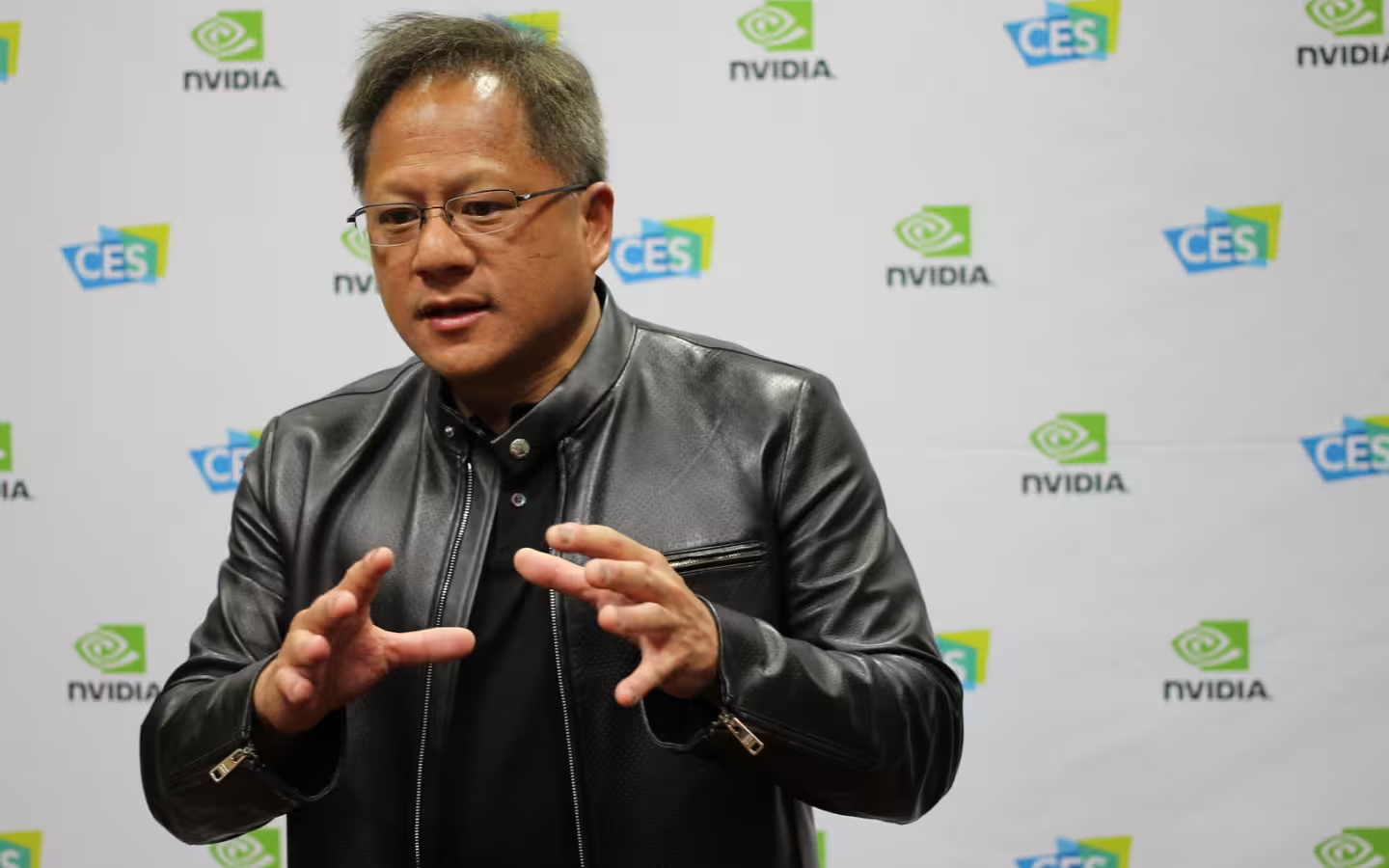
House Republican committee leaders have formally asked Nvidia chief executive Jensen Huang to brief lawmakers on 18 November about national security concerns arising from his relationship with a woman identified by US authorities as a Chinese intelligence asset, the Los Angeles Times reported on 9 November. Senior intelligence officials briefed congressional leaders from both parties in Washington on 9 November, according to House Democratic Leader Hakeem Jeffries.
Key points
- Three House Republican committee chairs have requested a briefing from Huang on 18 November.
- Senior US intelligence officials briefed the Gang of Eight, the bipartisan group of congressional and intelligence committee leaders, on 9 November.
- Nvidia’s board has opened an independent investigation. Jeffries says he will call for tighter chip export controls.
Three House chairs seek Huang’s account
Brian Mast of Florida, who chairs the House Foreign Affairs Committee, Rick Crawford of Arkansas, who heads the House Intelligence Committee, and John Moolenaar of Michigan, who leads the House Select Committee on the Chinese Communist Party, made the request. They said Chinese infiltration and access to sensitive US technology were central to their committees’ investigative work. Their request would put Huang before lawmakers directly, alongside the separate intelligence briefing given to congressional leaders.
The three chairs asked on 5 November for a closed-door briefing on Huang’s ties with Alice Huang, CNBC reported. Alice Huang is a former journalist with Chinese state media who later became an executive at Megaspeed International, a Singaporean data centre company under scrutiny for allegedly routing restricted AI chips to Beijing. US intelligence identified her as a Chinese intelligence asset after intercepting her communications, according to the Los Angeles Times.
Jensen Huang acknowledged on 8 November that he had had an affair with Alice Huang. He had previously described their dealings as normal, as AI Affairs reported after his response to the spying allegations. The two Huangs are unrelated, CNBC reported. The Republican chairs said Congress needed to determine how far US national security might have been put at risk.
Nvidia board examines the intelligence concern
Huang said on 8 November that Nvidia’s board had initiated an independent investigation and that he would cooperate with it. The board’s inquiry concerns whether he was the target of a foreign intelligence effort, CBC News reported. A committee of independent directors, assisted by outside counsel, will oversee the work, according to the company statement reported by CBC News.
The board said it had no reason to believe that US national security or Nvidia’s secrets had been compromised, while its inquiry would examine the available information. That inquiry, previously reported by AI Affairs, runs separately from the congressional request. Nvidia’s shares fell more than 4% on 9 November after the board announced its investigation, according to the Los Angeles Times.
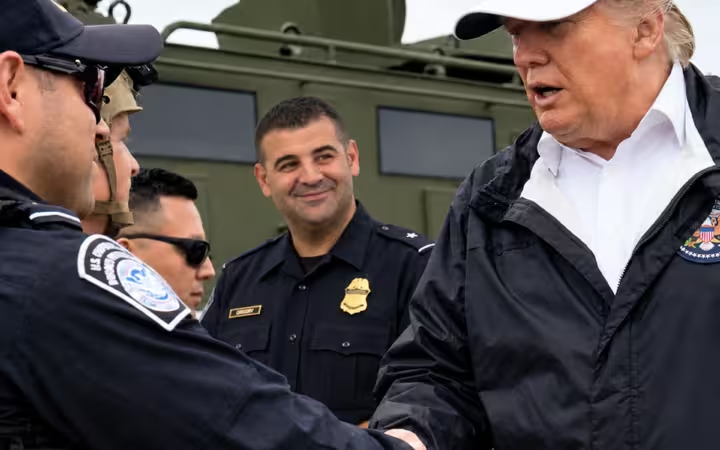
President Donald Trump said on 8 November that he had not spoken to Huang about the allegations and called him an honourable person, CBC News reported. According to The New York Times, Trump received an intelligence warning about the suspected Chinese operation in October 2025 and took no action. Secretary of State Marco Rubio oversaw a classified memo setting out the concerns this spring, the Times reported.
Jeffries turns to chip export controls
Jeffries said he would call for stronger controls on chip exports after the incident. He also called for a full briefing on the Nvidia matter. Washington has debated restrictions on exports of Nvidia’s advanced chips amid concern among lawmakers in both parties that Chinese access could support the development of powerful AI models. Huang has opposed the controls, arguing that they damage American businesses more than they constrain Chinese government efforts.
Senior intelligence officials addressed the Gang of Eight, whose members include leaders of the two parties in Congress and each intelligence committee’s chair and vice chair in the House and Senate. The Republican chairs’ request would bring the executive at the centre of the inquiry before lawmakers, while Jeffries’ proposed response concerns the rules governing chip sales. Neither step depends on the board reaching a finding before Congress examines the matter.
Nvidia and its executives have committed at least $26 million to projects backed by Trump, including his White House ballroom and inaugural fund, CNBC reported. The company spent $2.15 million on federal lobbying in the third quarter. Trump is scheduled to visit China in the week beginning 16 November. Mast, Crawford and Moolenaar have asked Huang to brief the House on 18 November, during that visit.