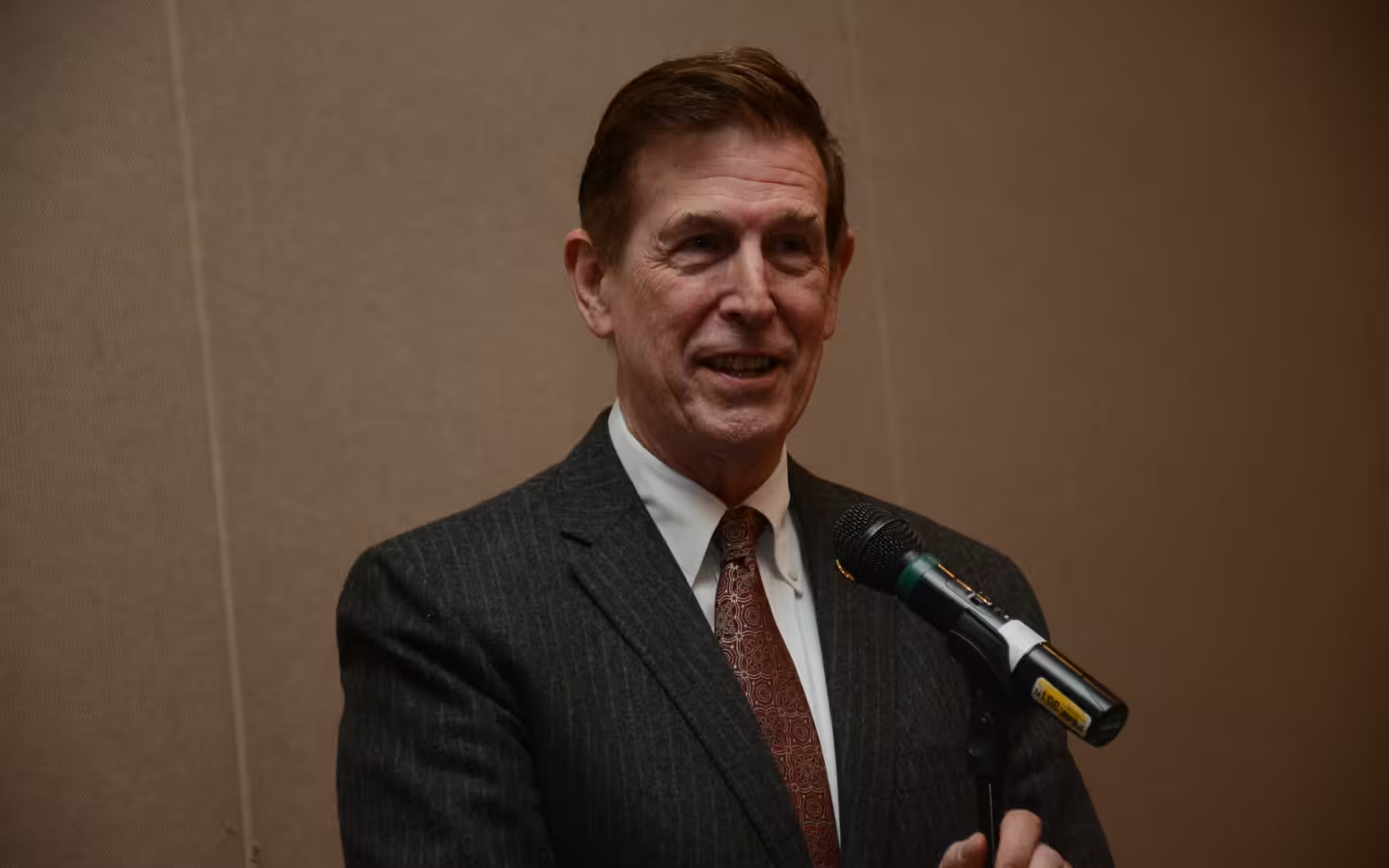
Reps. Sara Jacobs, Don Beyer and Celeste Maloy released an outline of the Safe and Accountable Federal Evaluations of Artificial Intelligence Act on 19 November. The proposed US House bill would require frontier AI developers to publish safety frameworks and undergo checks before deployment, MLQ reported. Its text has yet to be released.
Key points
- Frontier developers would file and publish safety frameworks meeting minimum requirements set by the Commerce Department’s AI standards centre.
- Government-accredited evaluators assigned by that centre would check compliance before commercial release or broad internal use.
- The outline proposes incident reporting, civil penalties and emergency powers subject to prompt judicial review.
- The proposal would clarify developers’ liability for reasonably foreseeable injuries to third parties.
CAISI would set safety framework requirements
Under the outline, each frontier developer would file and publish a framework identifying the risks it tests for, the thresholds that trigger safeguards and the safeguards it would use. The Center for AI Standards and Innovation (CAISI), the Commerce Department’s AI standards centre, would set minimum requirements with partners including the intelligence community and the Energy Department. Developers could not relax their frameworks on their own.
Developers would also disclose substantially autonomous AI research and development. Startups and academics would generally fall outside the proposal’s coverage. CAISI would accept confidential accounts of safety incidents from anyone, and developers and evaluators would be obliged to alert it to incidents and immediate threats of grave damage.
CAISI would assign and rotate evaluators
Government teams would review developers’ frameworks. Government-accredited third parties would then assess compliance before a system’s commercial release or broad internal use. CAISI would assign and rotate those evaluators. Fees would fund their work, rather than direct payments from developers, with limits on the share supplied by any one company.
The outline proposes civil penalties, increased penalties for knowing or wilful violations, criminal referrals and whistleblower protections. If a system posed an immediate threat of grave damage and its protections fell short, the government could require protective measures, subject to swift review by a court.
SAFE AI Act addresses foreseeable injuries
Developers would face clarified liability for injuries to others that could reasonably be anticipated, and would have to disclose safety lapses, Bloomberg Government reported. Jacobs said the federal proposal was intended to leave states free to adopt stronger protections. California’s governor has proposed powers to shut down dangerous AI models.
Beyer said the lawmakers were seeking expert input and working with the House committees responsible for the legislation before releasing bill text.