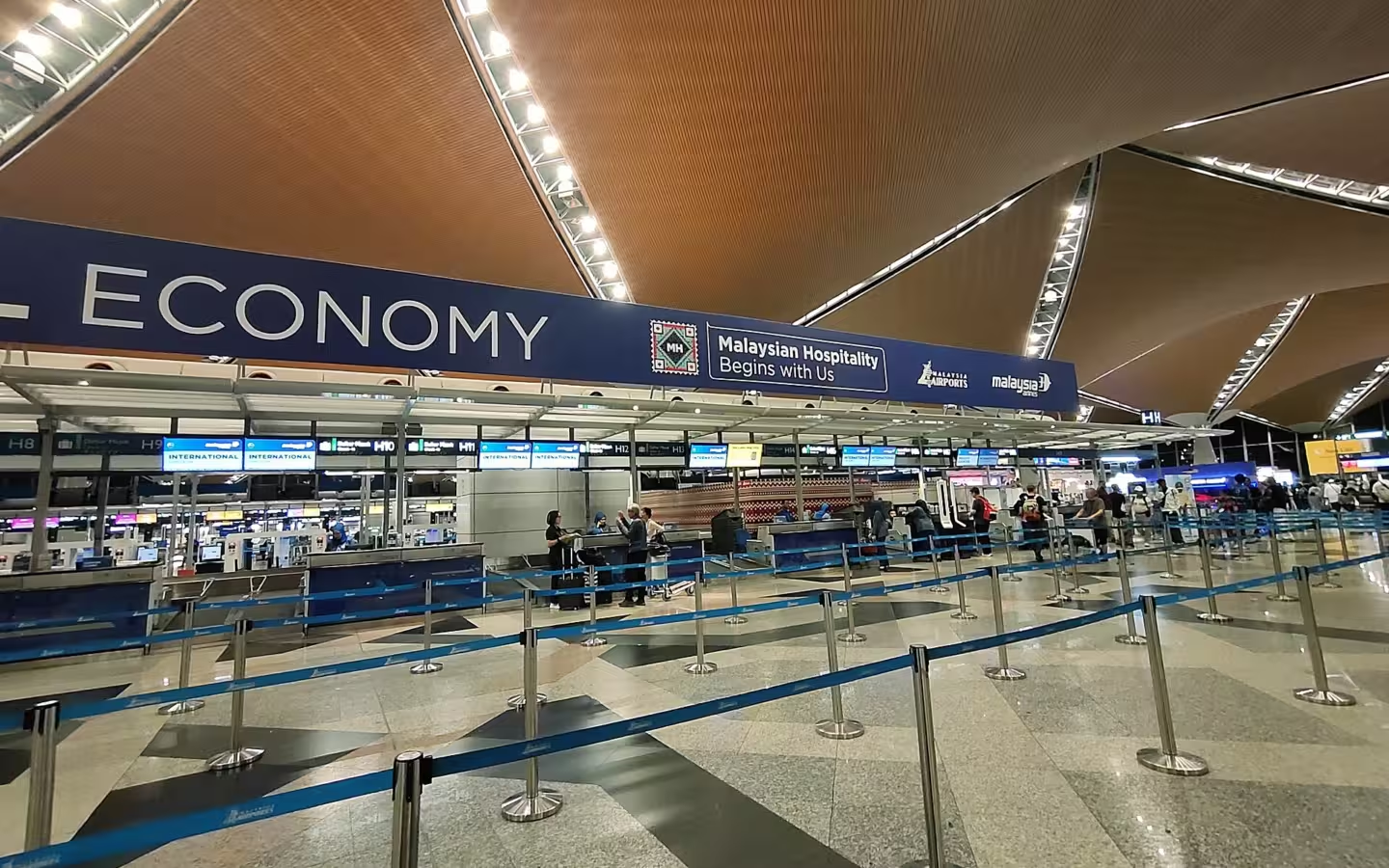
Malaysian customs disclosed on 28 October that officers had seized advanced AI chips valued at approximately 49.5 million ringgit ($12.1 million) inside 30 server units at Kuala Lumpur International Airport. Officers found the units during an inspection in the airport’s free trade zone on 15 October, StratNews Global reported. Customs is investigating whether the shipment belongs to a suspected network moving chips through Malaysia in breach of export restrictions.
Key points
- Customs found chips valued at approximately 49.5 million ringgit in 30 server units at the airport on 15 October.
- Airport customs director Aspalila Ag Tuah said the servers had been falsely declared as electronic components.
- The planned onward shipment required a trade permit under Malaysia’s Strategic Trade Act 2010.
- Aspalila linked at least five cases to the suspected syndicate, involving chip seizures worth more than 100 million ringgit.
Thirty servers in the airport free trade zone
Aspalila Ag Tuah, the airport’s customs director, said the servers were falsely declared as electronic components. Initial investigations found that the shipment came from an Asian country and was intended for re-export to another country in the region. Aspalila said that movement required a trade permit. The Times of India reported that the permit requirement falls under Malaysia’s Strategic Trade Act 2010.
The declaration matters to the customs inquiry because it described the server units as ordinary electronic components rather than goods requiring permission for their onward movement. Aspalila said the description was intended to let the shipment pass through Malaysia without the restrictions applying at its next destination. She declined to identify the country from which the servers came, the place where the chips were made or the shipment’s intended destination, the Times of India reported.
In 2025, Malaysia put US-made advanced AI chips under export controls after Washington pressed it to restrict their movement into China. The origin of the chips seized on 15 October is among the details Aspalila declined to provide. Her account of the permit requirement concerns the planned movement of this shipment through Malaysia, rather than a stated finding about where its chips were manufactured.
Aspalila links five cases to suspected syndicate
Aspalila linked the suspected syndicate to at least five cases and put the aggregate value of seized chips at more than 100 million ringgit. Silicon Republic reported that the five cases involved seizures worth nearly $25m. Aspalila declined to give further details because the investigation was continuing, according to StratNews Global.
Officials have asked a Malaysian company involved in arranging the shipment to help with the inquiry. Customs suspects the October seizure may be connected to a similar attempt intercepted in June. For investigators, the cases concern more than chips passing through an airport: the units containing them, the description entered for the cargo and the permission required for re-export all form part of the alleged route.
Other authorities have examined routes for AI hardware. AI Affairs previously reported that US officials questioned Nvidia over warning signs in China chip-smuggling cases. The Malaysian inquiry concerns a shipment that customs says was due to leave for another country in the region, alongside earlier cases it attributes to a suspected syndicate.
June seizure involved 72 server units
The earlier airport case involved a larger number of units. In June 2026, officers seized 72 servers that had been similarly falsely declared, valued at about $12.93 million, the Times of India reported. Customs investigators suspect the October shipment is linked to the network they associate with that intercepted attempt.