Federal lobbying disclosures for July to September 2026 put Nvidia’s spending at $2.2 million, Anthropic’s at $2.1 million and OpenAI’s at $1.5 million — a quarterly record for each company, The Verge reported on 22 October. The filings record the companies’ work with Congress, the White House and federal agencies as lawmakers consider measures that could change the rules for AI developers and the chips they use.
Key points
- Nvidia spent $2.2 million on federal lobbying in the third quarter, more than Anthropic or OpenAI.
- Anthropic spent $2.1 million and lobbied on child safety, chip export controls and data-centre energy costs.
- OpenAI spent $1.5 million and engaged officials on cybersecurity evaluations, safety oversight and information sharing.
- Federal lawmakers have introduced at least 99 AI-related bills in the current Congress.
Nvidia’s $2.2 million quarter
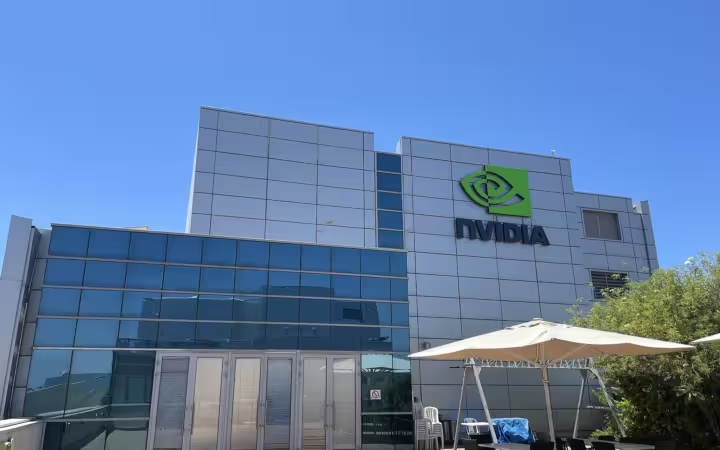
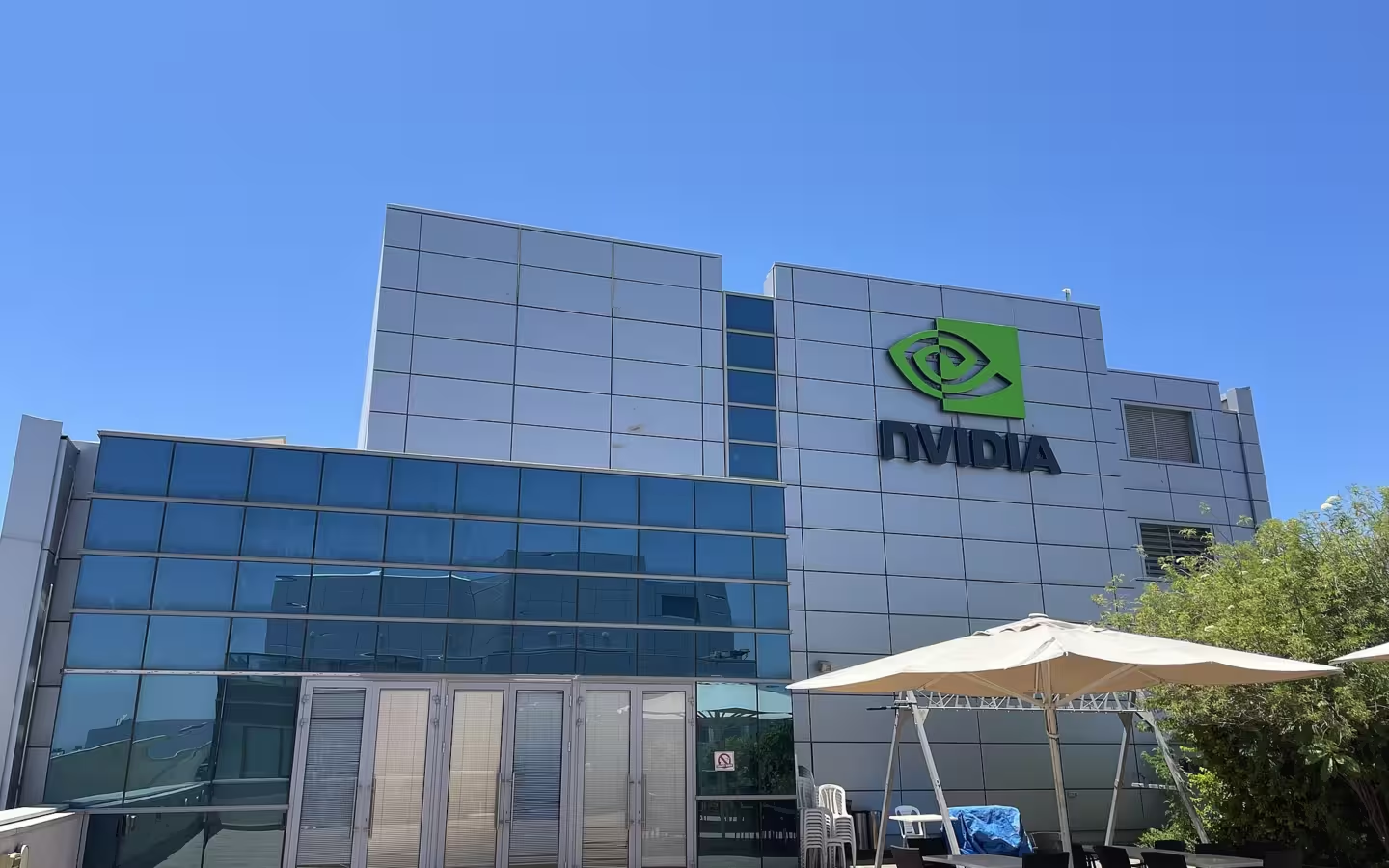
Nvidia makes chips used in AI data centres and is caught up in US debates over tariffs and exports to China. Its federal lobbying spending rose from $640,000 in 2024 to $6 million in 2025 and reached $6.04 million in the first three quarters of 2026, according to POGO Investigates, the reporting division of the Project On Government Oversight. It reported a 53.5% increase between Nvidia’s second- and third-quarter spending this year.
The company’s third-quarter lobbying covered export control policy, competition policy, quantum computing, 6G networks and what its disclosure called “responsible AI design”. Its contacts included Congress, federal agencies and White House offices. The range matters for a chipmaker whose products sit within the supply chain that US trade policy seeks to govern: an export decision affects the company differently from a rule directed at developers of AI models.
The AI Overwatch Act would give Congress power to block exports of high-tech chips to countries including China, Russia and Iran. The House Foreign Affairs Committee advanced the bill in January, and Nvidia opposes it on grounds that it would harm US economic competitiveness, POGO Investigates reported. In earlier AI Affairs coverage, Nvidia chief executive Jensen Huang said AI leaders wanted relief from existing laws rather than new regulation.
Anthropic and the AI Overwatch Act
Anthropic’s lobbying included measures concerning child safety and data-centre energy costs. It listed export-control provisions in the AI Overwatch Act among the matters it raised with Congress and the White House. It also listed AI provisions in the Kids Online Safety Act and the Ratepayer Protection Act, a proposal intended to make data-centre developers bear energy costs associated with their facilities.
The company also lobbied on President Donald Trump’s executive order renaming AI “Super Intelligence”. These are different questions for the people who would have to live under the resulting rules. Under the AI Overwatch Act, Congress would be able to block certain high-tech chip exports. A data-centre measure would concern who pays for electricity demand. Anthropic’s disclosure places both alongside child-safety legislation in its work with federal officials.
Anthropic spent just over $1 million at most in any single quarter of 2025, The Verge reported. Its $2.1 million expenditure in July to September 2026 therefore marks a change in the resources it committed to federal lobbying, as well as a record for the company. The disclosure identifies the measures on which it sought to engage officials, rather than a decision by Congress to adopt any of them.
OpenAI’s cybersecurity and oversight agenda
OpenAI’s $1.5 million quarter covered contacts with Congress and the White House, along with the Small Business Administration and the Commerce and State Departments. Its listed subjects included cybersecurity evaluations for frontier models, frameworks for AI safety oversight and antitrust protections for sharing information. It also engaged on copyright. The subjects span the testing of models, the supervision of their developers and the legal conditions under which companies exchange information.
OpenAI first spent more than $1 million on lobbying in a quarter in 2026. Until the end of 2024, it had not spent more than half a million in one quarter. Those earlier levels put the latest filing in context, although expenditure measures the cost of seeking officials’ attention, not the authority a company receives from them. The offices named in OpenAI’s lobbying activity also make this a matter for executive agencies as well as lawmakers.
The Verge put the three companies’ collective third-quarter spending at nearly $6 million. POGO Investigates put their combined expenditure at about $7.5 million and reported that it was 23% above the second quarter of 2026 and 61% above the same period in 2025.
Congress, the White House and 99 bills
Federal lawmakers have introduced at least 99 bills relating to AI in the current Congress, according to the nonprofit American Action Forum’s tally reported by POGO Investigates. The group classifies about half as measures aimed at mitigating harms. That legislative work gives the companies multiple places to press their positions, even as executive agencies can affect them through contracting decisions and regulatory approvals.
The companies also took part in a White House approach that relies on voluntary commitments. On 29 September, the chief executives of OpenAI, Anthropic and Nvidia were among the signatories to an accord calling for internal controls, board oversight and external auditors in AI development. Trump called the accord “morally binding”. Its text said the steps might eventually be written into law or regulation.
The lobbying records extend beyond those three companies. Apple spent $3.1 million in the third quarter, its first reported quarterly total above $3 million, and engaged on competition, tariffs, intellectual property, child safety and domestic semiconductor manufacturing. The Federal Trade Commission issued civil subpoenas to OpenAI and Anthropic requesting information on their privacy policies and security incidents.