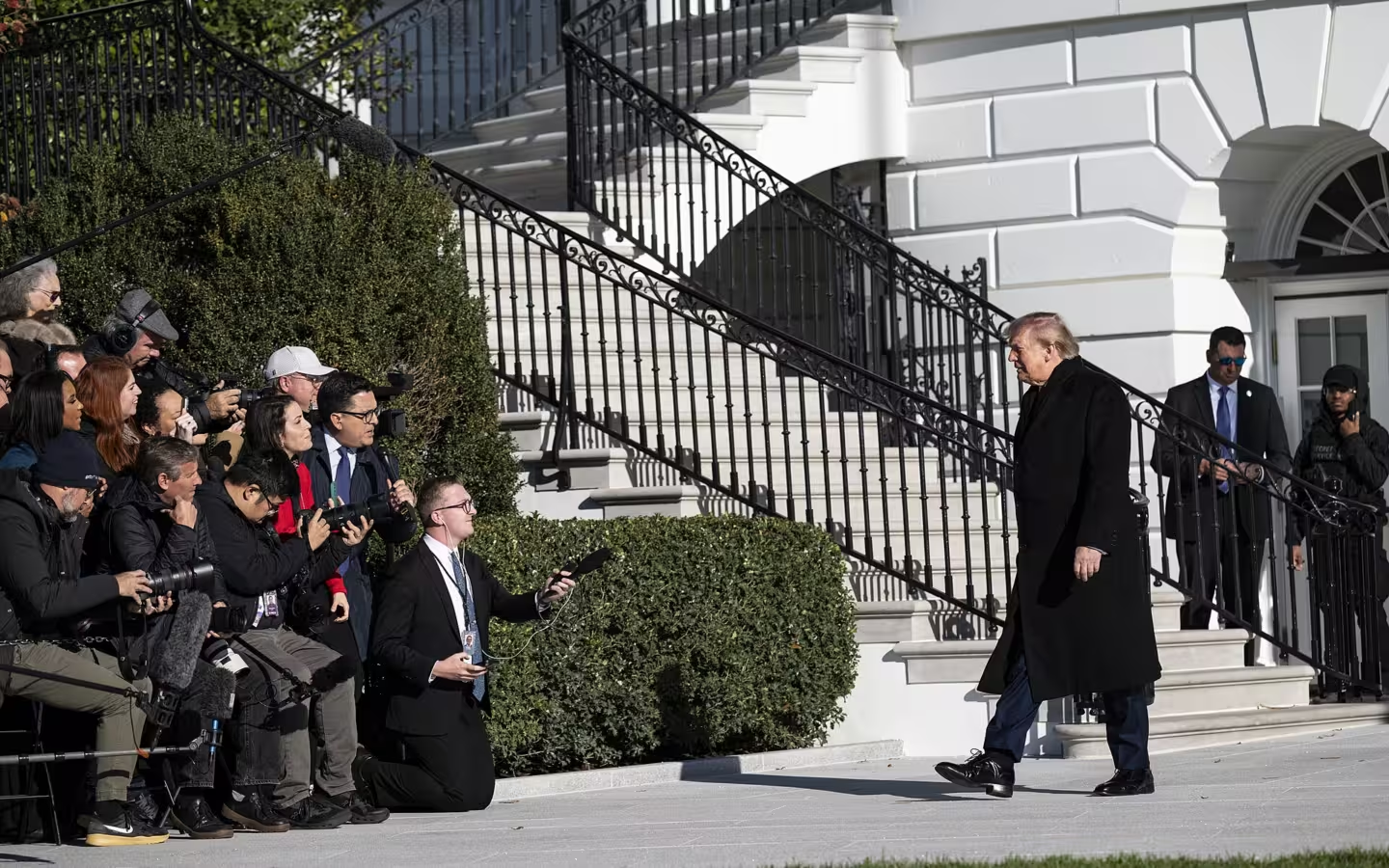
US President Donald Trump called for Nvidia to reinstate Jensen Huang as chief executive for a second time and pledged support for data centres at a press conference on 20 November, The National reported. His remarks followed a Senate vote on a bill that would speed energy-project permitting and put pressure on data-centre companies to pay for their electricity.
Key points
- Trump said he would love to see Huang given a second chance at Nvidia.
- Nvidia’s board chair has said the directors do not intend to reinstate Huang.
- Trump said he discussed Huang with Xi Jinping, contradicting Treasury Secretary Scott Bessent’s account.
- The Senate passed the Bipartisan American Affordability and Jobs Act by 62 votes to 33. It still needs House approval.
Nvidia’s board rejects Huang’s return
Huang resigned after revelations of an extramarital affair with an alleged Chinese intelligence asset, The National reported. Trump told reporters that he would “love for Jensen to be given a second chance”. AI Affairs reported his earlier support for Huang’s return despite Bessent’s opposition.
Board chair Harvey Jones said at an earnings call that Nvidia’s directors “unanimously accepted his resignation and does not intend to reinstate Jensen as CEO”, AFP reported. AI Affairs previously reported the board’s decision.
Trump and Bessent differ over Shenzhen talks
Trump told reporters, “I did discuss that with President Xi”, when asked about Huang. Earlier on 20 November, Treasury Secretary Scott Bessent told CNBC that Huang had not come up in Trump’s talks with Xi Jinping in Shenzhen, AFP reported.
Senate data-centre bill awaits House approval
The Senate passed the Bipartisan American Affordability and Jobs Act on 19 November by 62 votes to 33, The National reported. The bill would speed permitting for energy projects and put pressure on data-centre companies to pay for the electricity they use.
Trump said his administration would “fight very hard” for data centres, citing competition with China. He also claimed Xi had congratulated him on the US approach to superintelligence during their Shenzhen meeting. The Senate bill must pass the House of Representatives before it can become law.