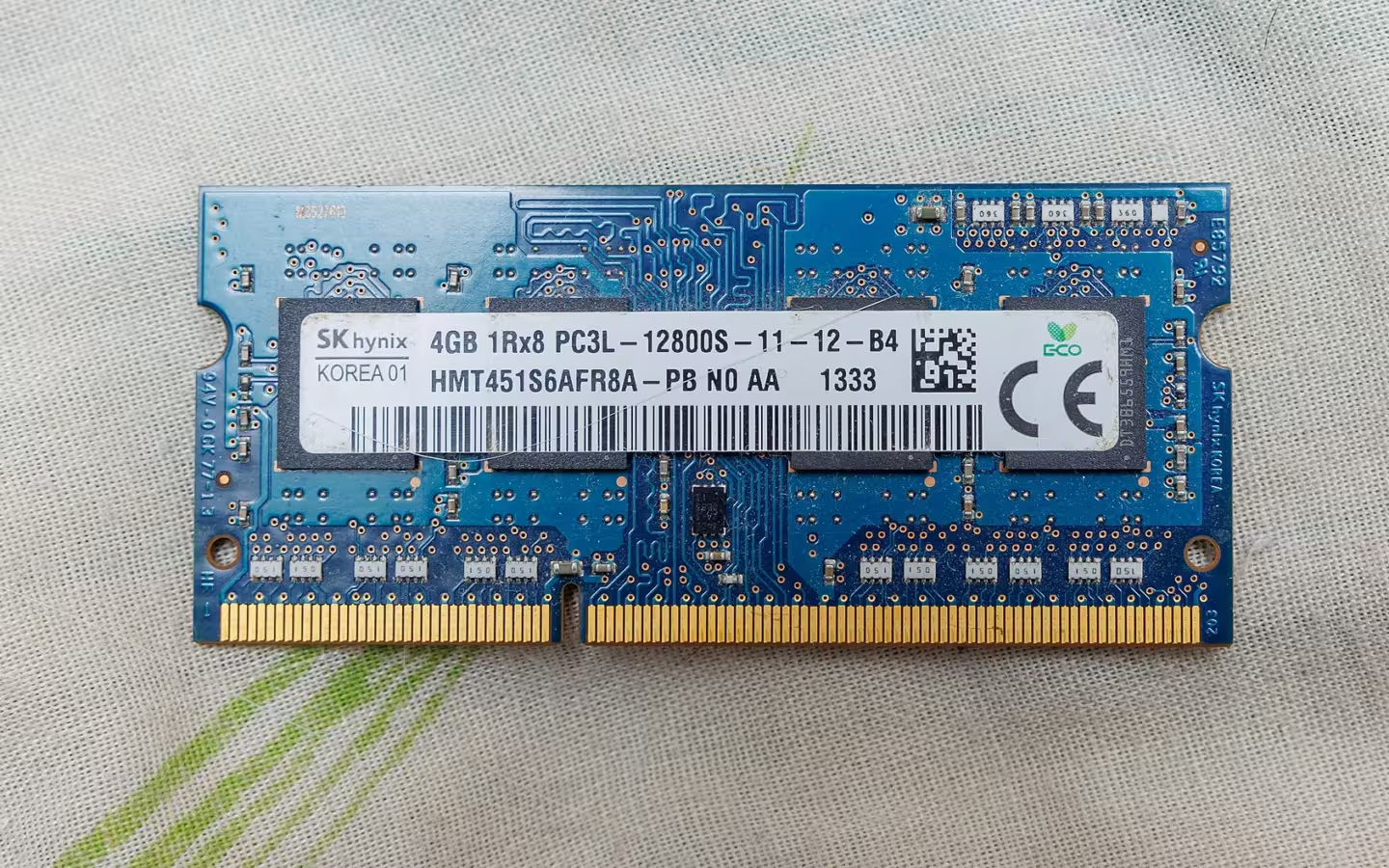
The US Commerce Department has yet to approve export licences for American chipmaking equipment that SK Hynix wants for its plant in Dalian, China, Reuters reported on 3 November, citing people familiar with the matter. The hold-up affects the company’s proposed investment in new NAND memory plants in New York, which SK Hynix says would be helped by revenue from increased production at Dalian. Officials have not formally denied the licence sought for equipment to fill unused cleanroom space at the Chinese plant.
Key points
- The Commerce Department has not approved new export licences for equipment SK Hynix wants to install at Dalian, according to people familiar with the talks.
- Two people say its Solidigm unit plans to invest about $45 billion in two NAND plants in Marcy, New York.
- Solidigm executives have met Commerce officials nearly 10 times since late August, one person says.
- The two sides are separately negotiating a licence for equipment to maintain Dalian in 2027.
Commerce holds its position on Dalian
Solidigm, SK Hynix’s US subsidiary, wants to put American equipment into vacant cleanroom space at Dalian and develop more sophisticated NAND production there. The people familiar with its plans say higher output and revenue from China would help finance a US factory and keep the company competitive. NAND retains data without power and is used for storage in data centres. The request puts permission to expand an existing Chinese operation in the path of a proposed American manufacturing investment.
Solidigm executives have met Commerce Department officials nearly 10 times since late August, according to one person familiar with the discussions. At a meeting in late August, Solidigm co-chief executive Richard Chin and other executives met Commerce Secretary Howard Lutnick and Commerce Under Secretary Jeffrey Kessler. The person said the US officials appeared keen to pursue the possible American investment. That account describes their response to the proposal, rather than an approval of the equipment shipments.
At a meeting in the week of 26 October, Kessler maintained that the US would not permit additional American tools to upgrade technology or increase capacity in China, the person said. Commerce has not formally rejected the application concerning the unused Dalian space. A refusal stated in a meeting and a formal licence denial are different steps for a company seeking to install equipment: Solidigm remains in talks with the department while the export approval it wants remains on hold.
SK Hynix has also presented a narrower account of its activity at Dalian. The company told Reuters that it was consulting US authorities about equipment installation and was not seeking to expand production capacity, Stocktwits reported. People familiar with the current licence talks, by contrast, describe equipment sought for an expansion. The separate accounts place particular weight on what the equipment would allow the plant to do, as well as on whether Washington authorises its export.
Solidigm’s proposed $45 billion New York investment
Two people familiar with Solidigm’s plans say the unit intends to invest about $45 billion in two NAND plants in Marcy, New York. They say the investment could potentially reach about $100 billion over time. Those figures describe a plan under discussion, while Solidigm’s stated position is that it is considering potential sites around the world and has made no decision on a particular course of action.
The proposed US project has been linked to the Chinese licence request before. AI Affairs previously reported that SK Hynix tied a US factory plan to approval for equipment exports to Dalian. People familiar with the present negotiations say permission for the Dalian expansion remains central to the New York plans. That is SK Hynix’s proposed route to financing the investment, not a commitment by Commerce to permit additional production in China in exchange for a US plant.
SK Hynix discontinued its review of a possible US listing for Solidigm on 23 October, citing capital-market conditions and semiconductor share-price trends, Stocktwits reported. The company said that decision did not alter Solidigm’s investment needs and that it would continue assessing the timing, scale and financing of future projects. With the listing option abandoned, the export-licence talks remain part of the discussion over how the proposed manufacturing investment would be funded.
A separate Dalian licence for 2027
Commerce and Solidigm are also negotiating a separate licence for equipment to maintain the Dalian facility in 2027, one person familiar with the talks said. That discussion concerns upkeep of the existing plant rather than the requested equipment for unused cleanroom space. The distinction matters to the operation of the export controls: an approval for maintenance would address a different request from the one SK Hynix associates with higher Chinese output and funding for its US plans.
Leland Miller, a member of the US-China Economic and Security Review Commission, a bipartisan panel established by Congress, said the proposed investment would ultimately need White House approval to proceed. Reuters reported that the White House and Commerce Department did not immediately respond to its requests for comment. The department’s pending licences nevertheless remain the immediate decisions facing Solidigm’s Dalian equipment requests.
Solidigm said in a statement issued in the week of 26 October that it was assessing locations worldwide for a NAND factory and had made no decision on a specific course of action. The company stood by that statement when the report was published.