Huawei plans to present an AI memory chip design with a data connection twice as wide as the HBM4 standard at a February conference in San Francisco, The Korea Herald reported on 27 November. Kioxia is also testing whether its storage drives can give Nvidia’s AI systems access to more data.
Huawei’s design, scheduled for presentation at the International Solid-State Circuits Conference, has a 4,096-bit interface. The company is developing its own high-bandwidth memory for its Ascend AI chips as US export restrictions limit its access to advanced memory. Counterpoint Research put SK hynix’s share of global high-bandwidth memory revenue at 50% in the second quarter and Samsung’s at 33%. The Korea Herald said it remains unclear whether Huawei can manufacture its design economically.
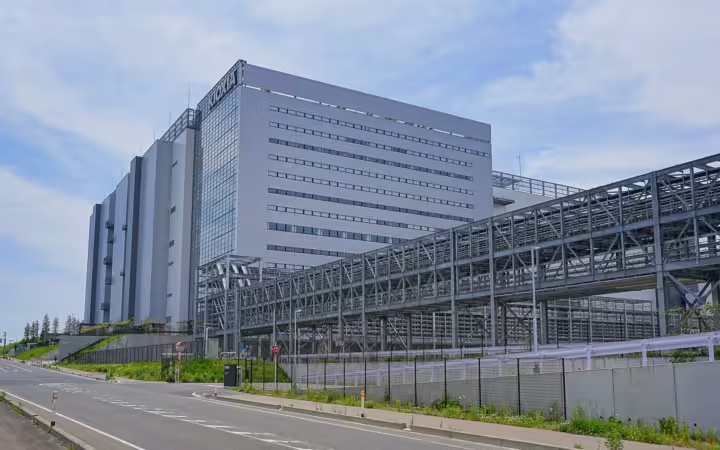
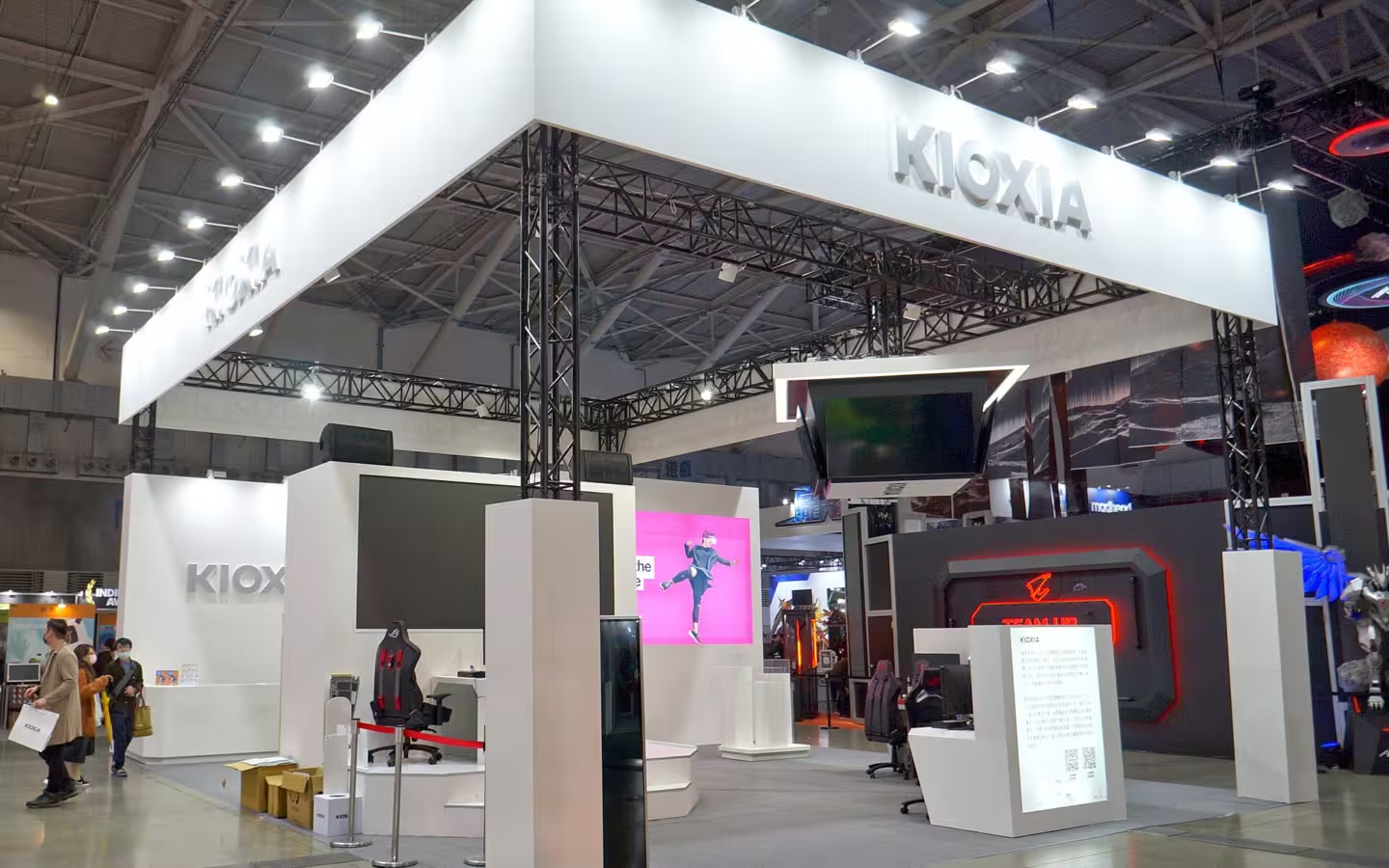
Nvidia and Kioxia tested 144 drives to expand the data available to AI servers, providing about 1.1 petabytes of storage in an Nvidia GB200 NVL72 system. Kioxia said the setup could potentially handle a database of 2 trillion vectors. Its new GP2 drive is designed for direct access by graphics processors and has nearly double the random read performance of its predecessor. Kioxia expects evaluation samples to reach select customers by the end of 2027.