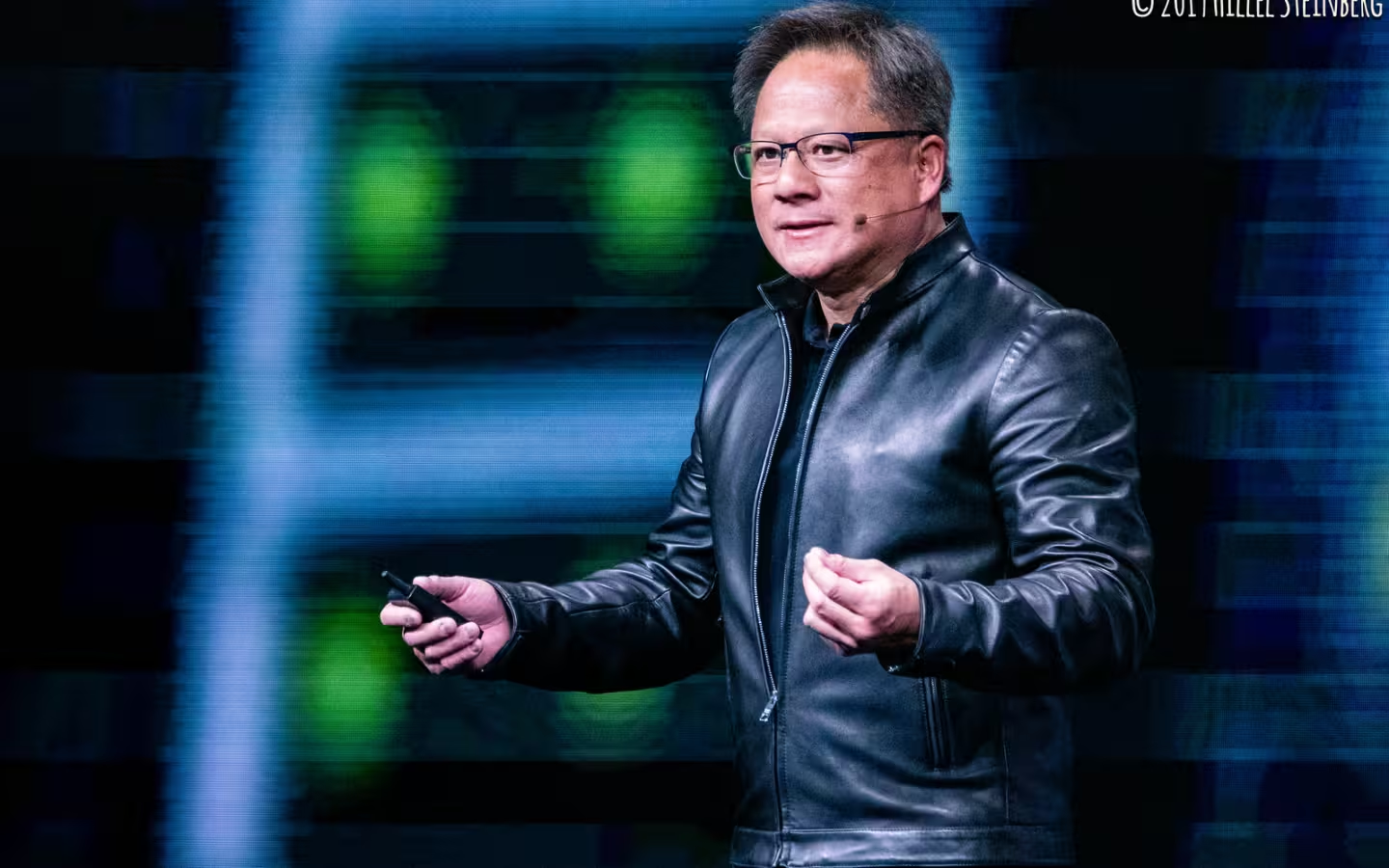
Samsung Electronics and SK hynix, two suppliers of memory chips for Nvidia’s AI accelerators, are assessing possible succession scenarios after reports that Nvidia’s board is considering replacements for chief executive Jensen Huang, company insiders told Yonhap in Seoul on 12 November.
Key points
- An official said Huang’s departure could slow discussions among senior executives.
- Other officials expect existing supply agreements to hold because the chipmakers also work with Nvidia executives on detailed plans.
- Changes to Nvidia’s product plans or export rules could complicate longer-term production and investment decisions.
Huang’s relationships with Korean chipmakers
Huang has close ties with Samsung Electronics Chairman Lee Jae-yong and SK Group Chairman Chey Tae-won. An unnamed company official told Yonhap that removing him could disrupt contact among senior industry executives and slow business discussions or alter existing plans.
Other officials gave a different assessment of the supply agreements. They considered those arrangements unlikely to be affected because Samsung and SK hynix work with Nvidia executives, including Senior Vice President Jeff Fisher, on detailed business plans. The companies supply chips used in Nvidia’s AI accelerators, tying their production decisions to its product plans.
Nvidia is expected to keep key executives if Huang is replaced, Yonhap reported, although no clear succession plan has emerged. Another unnamed company official said a disruption to Nvidia’s product road map or a regulatory change could complicate the Korean chipmakers’ production and investment plans over a longer period.
Nvidia contracts face an export-control test
Park Se-yeon, an analyst at Hanwha Investment & Securities, cautioned against directly linking the uncertainty around Huang to Korean chipmakers’ share prices. Their outlook would depend on US export-control decisions and any subsequent changes to Nvidia’s customer relationships and contracts, Park said in a report cited by the Korea JoongAng Daily.
Guidance issued by the US Bureau of Industry and Security on 31 May reaffirmed restrictions dating from 2023. Advanced AI chips sold to Chinese companies require an export licence even when those companies buy through overseas subsidiaries. The guidance introduced no new restrictions and did not require data centres already using the chips to stop operating.
Park said any effect on the Korean supply chain should be judged against the measures actually adopted and the customers they cover. A change that affected Nvidia’s sales or production plans could, in turn, affect orders for high-end memory from Samsung and SK hynix, according to the Korea JoongAng Daily.
Google offers another route for Korean memory
The Korean suppliers are also pursuing demand beyond Nvidia. Google’s expansion of sales of its tensor processing units to external customers could widen the market for their high-bandwidth memory, the Korea Herald reported. Google said it had nearly 100 customers for the processors, including companies installing them in their own data centres.
Samsung signed a memorandum of understanding with Broadcom, a Google chip-development partner, covering memory, foundry manufacturing and advanced packaging. Potential cooperation was valued at more than USD 200 billion through 2030, but that estimate spans several businesses and does not represent confirmed memory orders. SK hynix has proposed jointly designing memory for future Google processors.
Production capacity may constrain how quickly suppliers can pursue additional orders. SK hynix said its agreements with 14 major customers account for more than half of the output it expects to produce in 2027 and 2028.