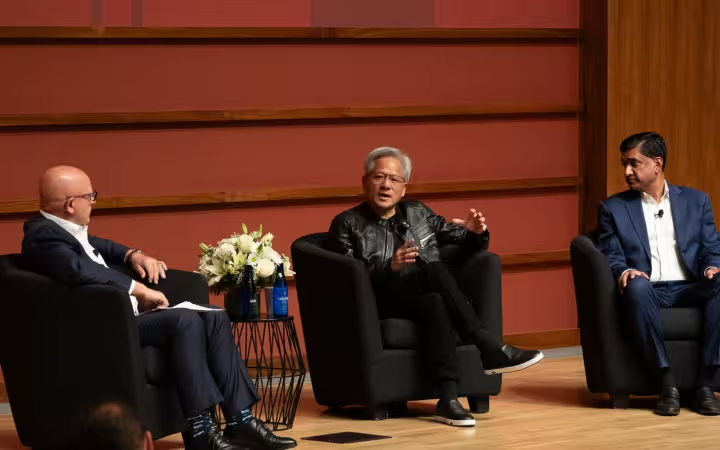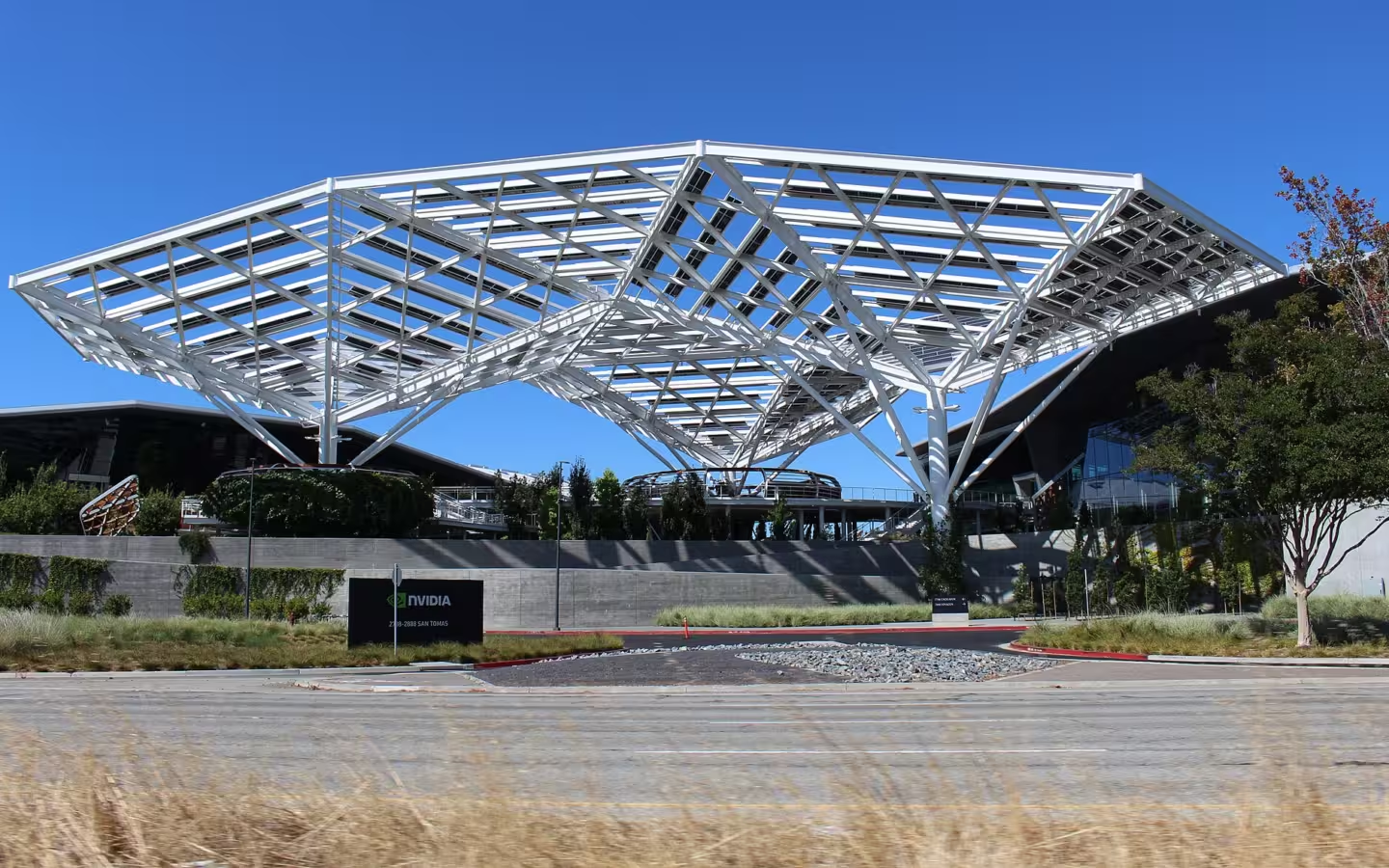
Nvidia will stop selling H200 chips in China, acting CEO Colette Kress said on Tuesday, 17 November, during the company’s first earnings call since co-founder Jensen Huang stepped down, TechCrunch reported. The decision ends a sales route that sent the chips through the US under a 25% tariff, as new rules restrict Chinese customers’ access to advanced American chips abroad.
Key points
- Kress said Nvidia will no longer sell H200 chips in China.
- New US rules bar advanced chips from foreign data centres serving Chinese customers remotely.
- Jefferies forecasts a possible $44 billion to $62 billion reduction in Nvidia’s data centre revenue next year.
- Kress said demand for other advanced chips would prevent an impact on overall revenue.
Kress ends the H200 sales route
Huang, Nvidia’s former CEO, brokered the H200 arrangement with President Donald Trump. It required the chips to pass through the US, allowing the government to collect a 25% tariff. Huang had argued that US technology companies should compete in China rather than give up the market.
China had already largely declined H200 deliveries before Kress’s announcement. Jacob Feldgoise, a researcher at Georgetown’s Center for Security and Emerging Technology, said the Chinese government preferred to build demand for domestic chips, even though major AI users wanted Nvidia’s hardware.
The tariff route had political opponents in Washington. On 15 November, Senator Maria Cantwell, the top Democrat on the Senate commerce committee, urged Commerce Secretary Howard Lutnick to enforce controls on chip exports to companies barred from receiving them, CNBC reported. Cantwell warned that the 25% fee on some chip sales to China could give the government a financial incentive to approve sensitive exports.
Nvidia also created a board-level committee for export-control oversight on 17 November.
16 November rules reach overseas data centres
Rules issued on 16 November bar advanced US chips from foreign data centres that serve Chinese customers remotely. The restriction reaches a route to computing power outside China, beyond shipments of H200 chips into the country.
Before those rules were issued, Nvidia had warned chip buyers about legal risks under a proposed US remote-access law, as AI Affairs reported. That proposal concerned Chinese companies renting access to chips overseas.
China’s leading AI models show evidence of training on Nvidia Grace Blackwell chips that cannot be exported to China, according to TechCrunch. Export-control lawyer Dan Fisher-Owens told the publication that large data centres buying Nvidia chips for AI training would have to certify that they do not serve Chinese customers.
Jefferies forecasts a $44 billion to $62 billion cut
Investment bank Jefferies forecast that the new rules might reduce Nvidia’s data centre revenue by between $44 billion and $62 billion in 2027. Kress said a backlog of demand for advanced chips, including Vera Rubin, meant the controls would have no impact on Nvidia’s overall revenue.
The company may also lose potential customers in Singapore, Malaysia, Thailand and Indonesia. Nvidia’s Singapore subsidiary recorded $104 billion in annual revenue in 2025 before the company stopped disclosing those figures, TechCrunch reported.