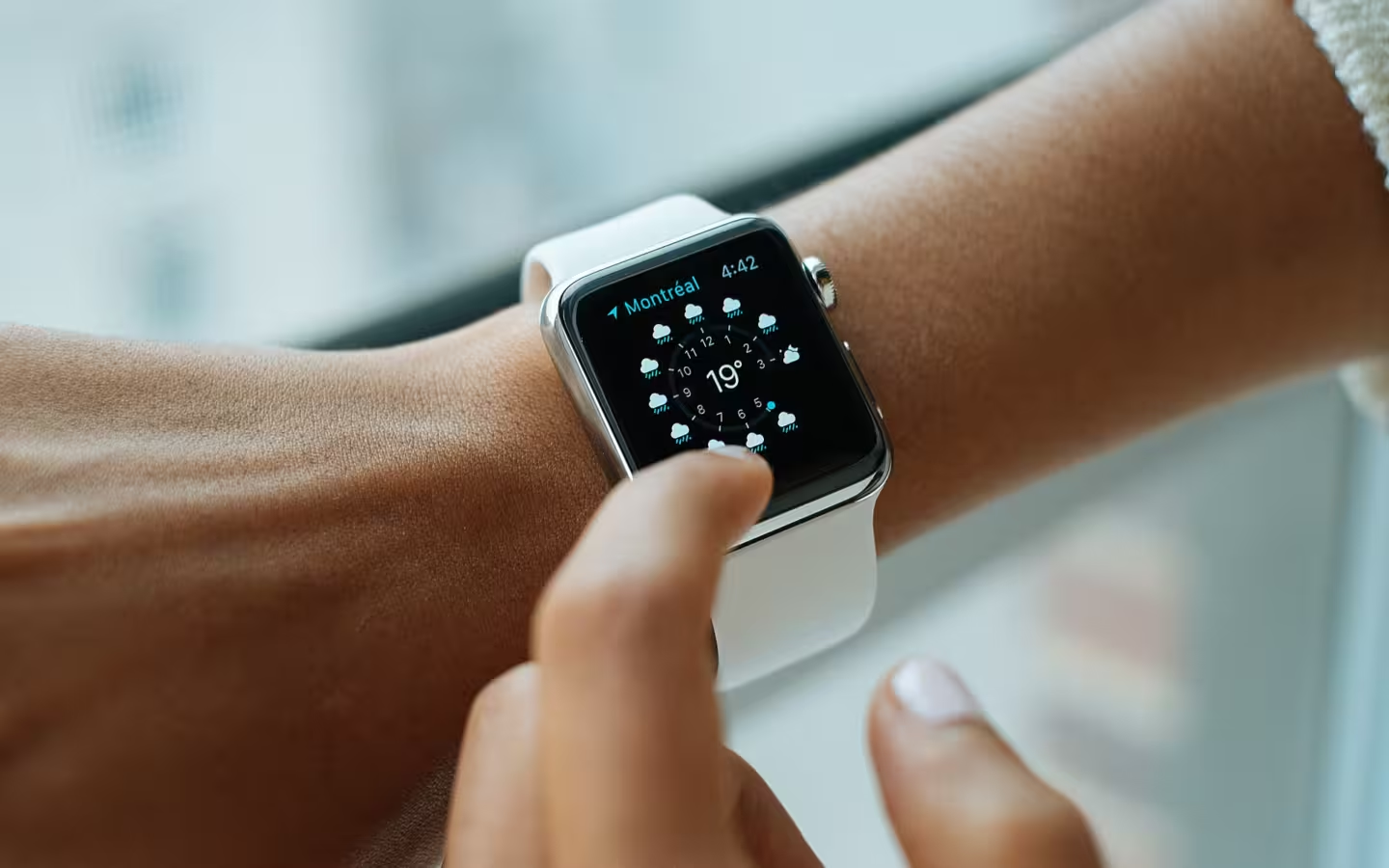
Meta announced on 9 November that its Muse AI assistant was coming to Apple Watch and Android’s Wear OS, TechCrunch reported on 10 November. The smartwatch apps give people another way to reach an assistant that can connect to personal accounts and carry out tasks: a voice call, text message or dictated request can now start on the wrist.
Key points
- Muse is available on Apple Watch and Wear OS, with voice, text and dictation access.
- The Apple Watch companion app is included in version 15.0 of Muse’s iOS app.
- An AppleInsider report describes an earlier Messages data-access incident involving Muse on macOS.
Version 15.0 brings Muse to Apple Watch
The Apple Watch release is a companion app included in version 15.0 of Muse’s iOS app, AppleInsider reported on 9 November, citing the App Store listing. On the watch, the available ways to contact Muse are calling and speaking to it, writing a text message or dictating one. The distinction matters on a small screen: dictation lets a spoken request become text, while a call keeps the exchange in voice.
Muse can connect to accounts to handle email, meetings and bills, as well as tasks including reservations and grocery orders. The watch provides a new place to initiate that interaction, while the usefulness of an account-based request would depend on the accounts connected to the assistant. Meta also says Muse can link with Facebook, Instagram, calendar, email and finance apps.
Checking a meeting or arranging a grocery order could begin with a spoken request on a watch instead of a typed message. Connecting the account needed for either task would also give the assistant access to information associated with that account, so the convenience of making the request from the wrist would come with the same access decision as making it elsewhere.
The Wear OS launch puts the same voice, text and dictation choices on Android smartwatches. The Apple Watch version, meanwhile, arrives through an update to an existing iOS app rather than as the first Apple-device release of Muse. That route gives Meta another surface for an assistant it had already brought to the iPad.
Muse moves from the iPad to the wrist
Muse first appeared on the App Store in September, and Meta introduced a dedicated iPad app in October. The watch release continues that expansion within Apple’s devices while adding Wear OS. Each device offers a different way into the same broader proposition: an assistant that can take a request and, where accounts are connected, work on tasks beyond answering a question.
Meta has also added Spaces, custom app-like areas within Muse. They are dedicated conversations for particular topics, displayed in the interface’s sidebar. Think of separate notebooks for separate jobs: returning to one brings back the conversation organised around that goal, rather than requiring every request to share a single running exchange. Meta calls Spaces “custom experiences”, while TechCrunch reports that the mini apps are built on the fly.
The assistant has a customisable avatar, and Meta rolled out video chats with that avatar for users in the US before the watch announcement. Meta said its expressions and gestures would reflect the conversation’s tone and context. In that interaction, the avatar can hear the user and respond in real time, but it cannot see them.
Muse passed 10 million US downloads within its first 40 days on the App Store, making it one of 12 mobile apps to reach that mark in that period, according to TechCrunch. Downloads measure how many times an app was obtained, rather than how often its account-linked tasks are used. The watch launch adds ways to contact Muse after that early uptake, particularly when speaking is easier than working through a phone screen.
Apple Messages incident puts account access in focus
The permissions behind an assistant that can act on connected accounts have already drawn scrutiny. AppleInsider reported that, in September 2026, Muse synced 187,000 lines from a user’s Apple Messages database on macOS even though Full Disk Access was off.
Meta says users can approve actions before Muse takes them. Approval of an action and access to stored information are different concerns: the reported Messages incident involved data being synced, while the account connections described for Muse can include email, calendars and finance apps. The watch makes requests easier to initiate, but it does not change which information a person chooses to connect to the assistant.
AppleInsider reported that Meta’s App Store listing warns Muse “may be inaccurate or take unexpected actions”. The listing also instructs users to “check in” and “intervene as needed”.