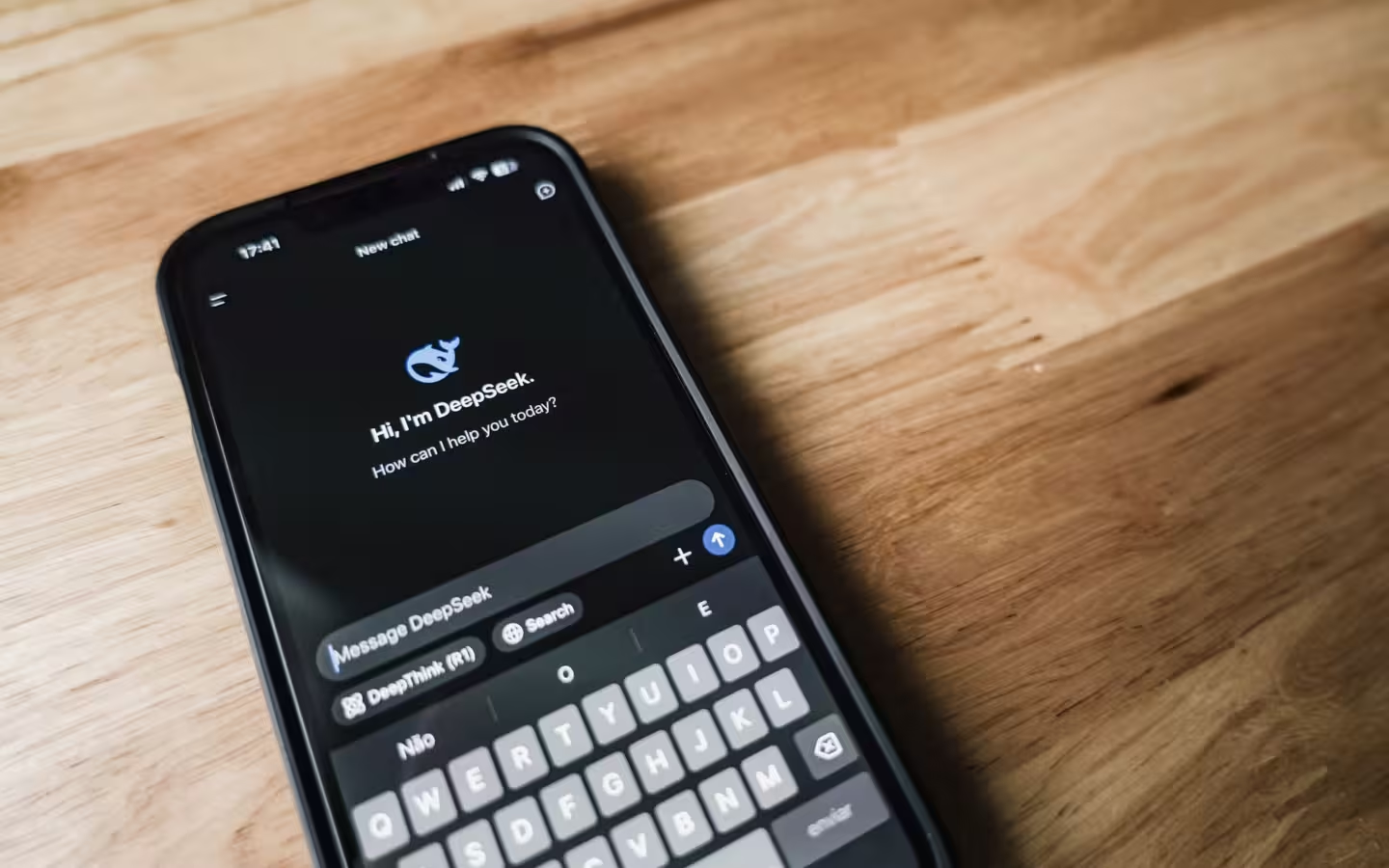
DeepSeek removed separate fees for search and web fetch triggered inside model calls from noon on 18 November 2026 in Beijing, while keeping direct Search and Fetch API calls at 5 yuan per 1,000 successful requests, Pandaily reported on 19 November. The change applies to developers using DeepSeek’s model-side web tools. Model tokens remain billable.
Key points
- Model-triggered search and page fetch no longer carry a separate tool charge; input and output tokens remain billable.
- Direct calls to the standalone Search and Fetch APIs still cost 5 yuan per 1,000 successful requests.
- The billing route depends on whether a model invokes a web tool or an application calls a standalone endpoint.
DeepSeek removes model-side tool charges
DeepSeek’s Chinese pricing documentation covers search and web fetch carried out by server-side tools during a model interaction, according to Pandaily. The tool operations have no separate charge under the revised policy. Developers continue to pay for the model’s input and output tokens at the pricing applicable to the model they use.
The affected routes include web_search in the Responses API and the Anthropic-compatible API, as well as DeepSeek’s web tools. The company’s search-and-fetch guide includes text search, image search and page fetch among the model-triggered operations covered by the change.
Those routes put the web operation inside the model call. An application can instead request search results or page content directly from DeepSeek’s standalone APIs. The two approaches now carry different tool charges, even when both are used in an automated application.
In the company’s DeepSeek Harness configuration example, choosing DeepSeek server-side search or Auto, the default, directs queries through tools invoked during a model call. Selecting DeepSeek Search API sends requests through the separately billed client route. The provider setting therefore determines which search billing policy applies in that example.
Standalone Search and Fetch retain 5-yuan pricing
Direct requests to /v1/tools/search and /v1/tools/fetch retain a price of 5 yuan per 1,000 successful calls for each API. An agent making a direct request to either endpoint is charged under that policy even if an AI model prompted the application to make the call.
DeepSeek’s guide defines a billable standalone call as one that receives an HTTP 200 response and produces a result, Pandaily reported. Search must return a nonempty results array. Fetch must return page content. Failed calls, searches with no results and requests that time out are not charged.
The number of search results requested does not change the standalone per-request price, according to the guide. Billing instead turns on whether the request meets the successful-call conditions. For an application that calls the standalone APIs repeatedly, those calls remain a separate cost from any model-token usage.
The charge removed on 18 November applies to tools invoked within model interactions. It leaves the direct-call price in place for developers choosing the standalone endpoints to obtain search results or fetched pages for their applications.
DeepSeek’s October APIs and web tools
DeepSeek launched the independent Search and Fetch APIs on 17 October 2026. AI Affairs previously reported their introduction alongside an update to V4.1-Flash. The November change concerns the price of tool operations during model calls, rather than the launch of those standalone APIs.
AI Affairs also reported that DeepSeek opened its app’s search, file and voice tools through its API. The latest pricing change covers model-triggered search and fetch, including the web_search tools available through two model-facing API formats.
Image search remains available through DeepSeek’s web tools. The standalone Search API does not currently support it, according to the company’s guide.