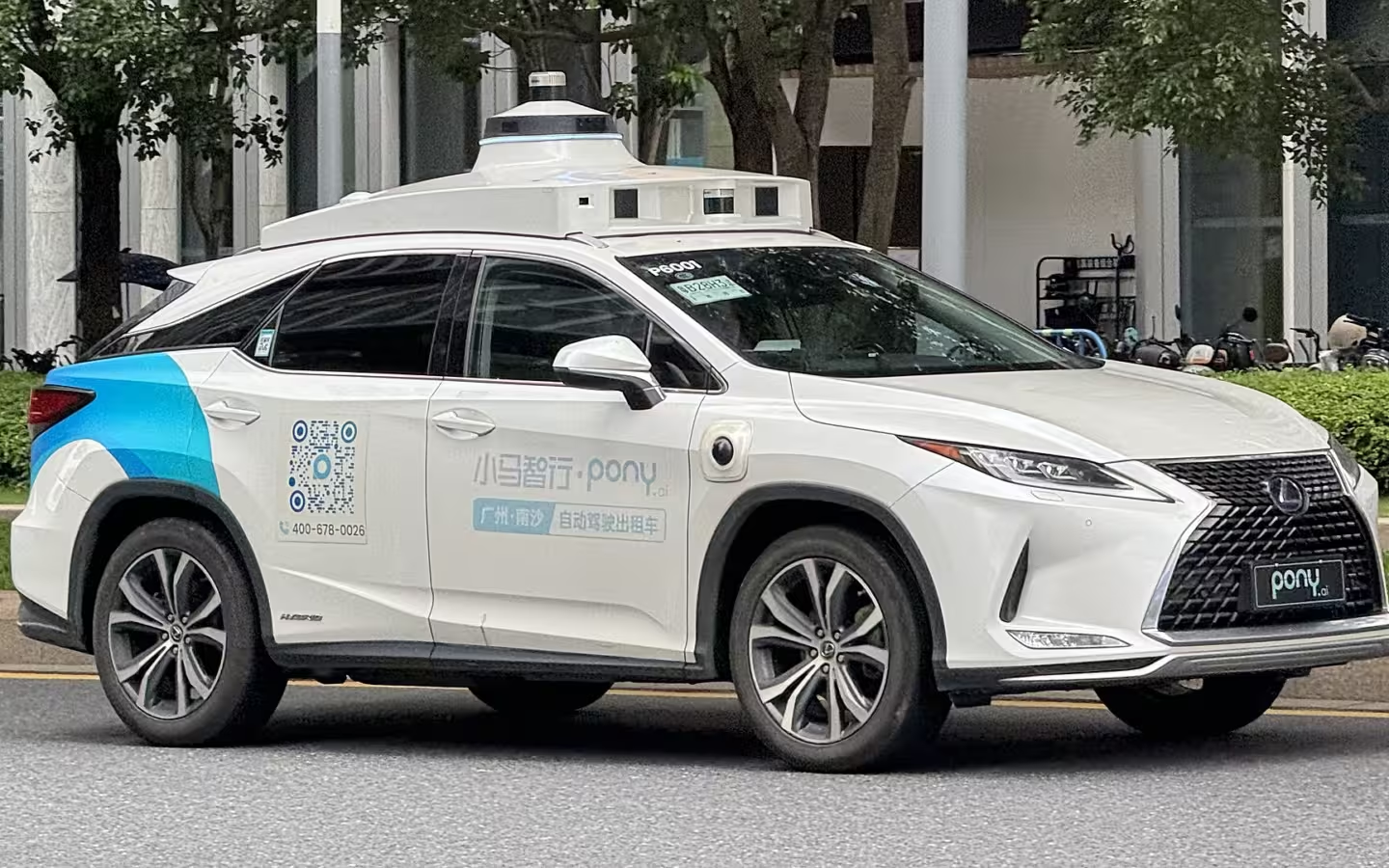
inDrive, Pony.ai and Nvidia signed a memorandum of understanding on 23 October to explore robotaxi tests in Kazakhstan in the first half of 2027, TechCrunch reported. The proposed trials would begin in Astana with a safety operator aboard Pony.ai vehicles. Under the plan, inDrive would offer the rides through its app and operate the vehicles locally.
Key points
- inDrive, Pony.ai and Nvidia have signed a memorandum of understanding to explore Kazakhstan robotaxi services.
- Tests are planned for Astana in the first half of 2027, initially with a safety operator.
- Pony.ai would supply Gen-7 vehicles, while Nvidia would contribute its Hyperion and Halos technology.
- Uber has separately announced plans to test Pony.ai robotaxis in London.
inDrive takes the operating role in Astana
inDrive chief technology officer Yuri Misnik told TechCrunch that testing would start in Kazakhstan’s capital in the first half of 2027. The initial vehicles would carry a safety operator, with fully driverless rides the eventual goal. The memorandum sets out an exploration of the service rather than its launch.
Pony.ai would provide its Gen-7 robotaxis under the proposed arrangement. inDrive would place them on its ride-hailing app and run the Kazakhstan operation. The company operates in more than 1,200 cities across 47 countries and is known for allowing passengers and drivers to negotiate fares.
“Our approach is capital-light by design,” Misnik told TechCrunch. He said inDrive works with partners in different markets, drawing on their expertise alongside its own. The Kazakhstan proposal assigns vehicle technology to Pony.ai and the customer platform and local operation to inDrive.
Fully driverless rides could be considered after the trials, depending on their results and regulatory approval, Asia Business Outlook reported. The publication also identified a commercial test for inDrive: whether fares passengers will pay can cover the cost of operating the vehicles.
Pony.ai pursues a 3,500-vehicle target
Kazakhstan would be another market in Pony.ai’s expansion beyond China. Uber announced plans earlier in October to test Pony.ai robotaxis in London. Uber has also begun offering supervised autonomous rides there with British startup Wayve, giving Pony.ai a separate prospective route into the same city.
Pony.ai aims to operate more than 3,500 robotaxis in over 20 cities worldwide by the end of 2026, compared with a fleet of 1,975 vehicles at the end of June. Its proposed Kazakhstan role is to supply vehicles to a ride-hailing company that would handle the local service.
Astana would also test how the vehicles perform through months of snow and ice. The city has a population of around 1.7 million. inDrive founder and chief executive Arsen Tomsky said operating there would let the company evaluate the technology in difficult winter conditions and gather insights for other locations with similar weather.
Nvidia proposes Hyperion and Halos technology
Nvidia would supply technology for the proposed service, including its Hyperion platform and Halos safety system. Nvidia says Hyperion could reduce robotaxi development costs by providing a foundation of sensors and computing technology instead of requiring companies to assemble and integrate those components themselves.
Nvidia vice-president of automotive Ali Kani said the potential savings mattered in emerging markets, where autonomous rides would have to compete with relatively affordable existing services. Nvidia also offers its Alpamayo model and tools for generating synthetic data and testing driving systems in different scenarios.
The announcement coincided with Nvidia chief executive Jensen Huang’s first visit to Kazakhstan on 23 October. Nvidia’s proposed contribution is the computing and safety technology, while Pony.ai would supply the robotaxis and inDrive would operate them through its app.
Kazakhstan announced plans in September to launch autonomous taxi services in 2027, with initial trials in Astana and two other cities. It has introduced rules allowing autonomous vehicles to be tested on certain public roads.