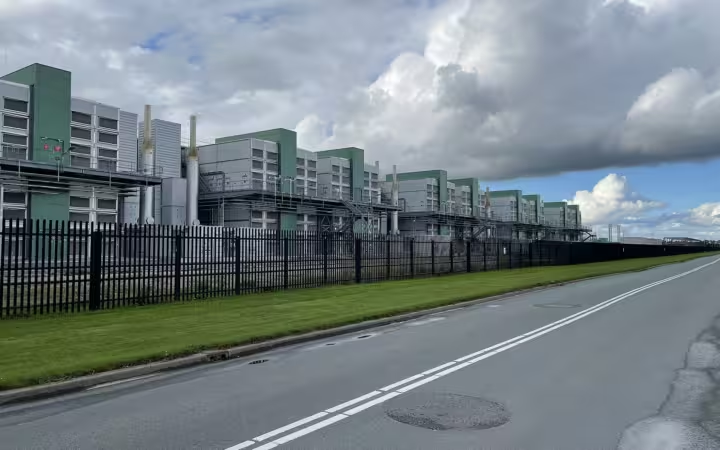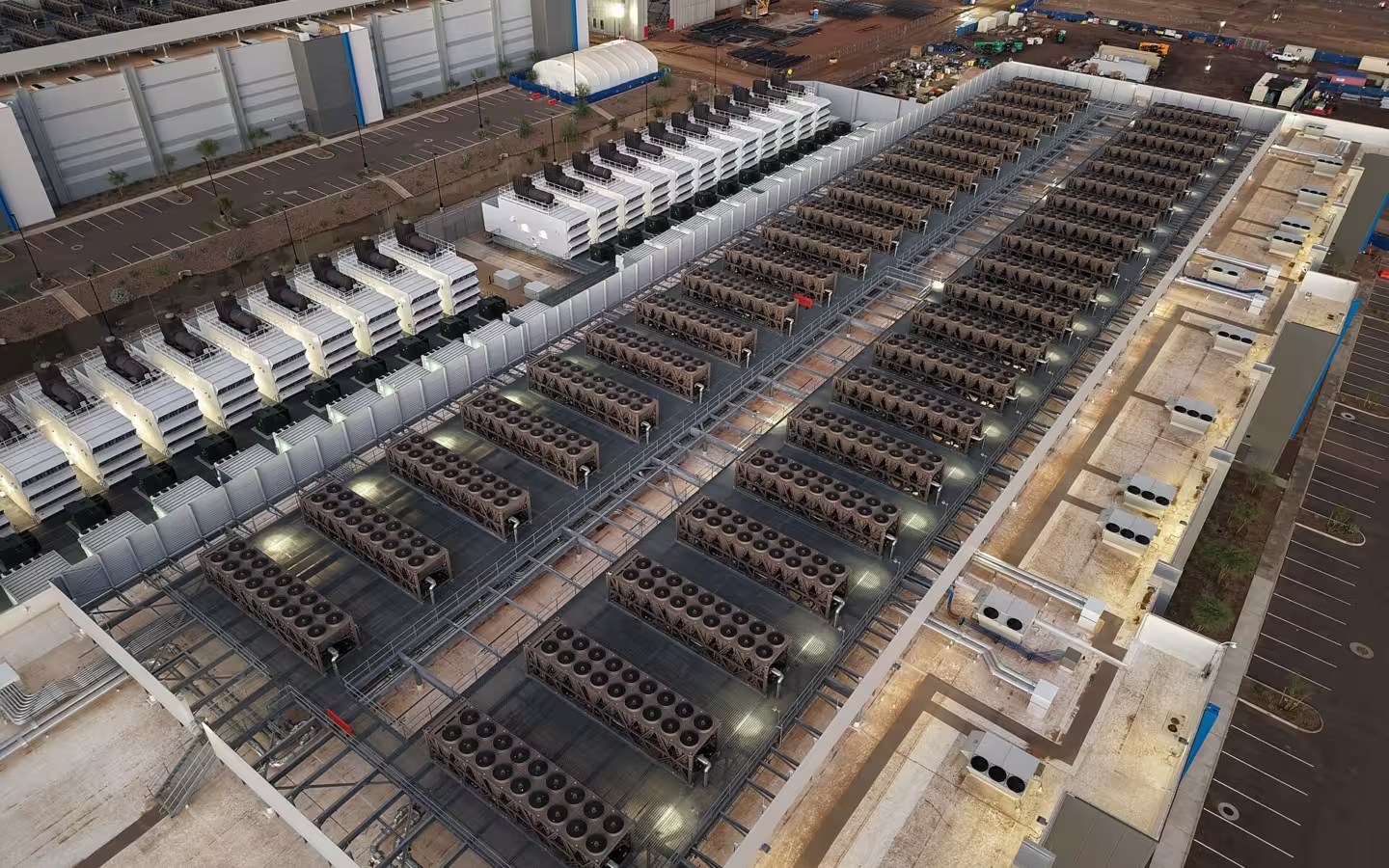
OpenAI pledged on 5 November to pay the full cost of powering its data centres and seek community input on facilities it owns and operates, after voters backed restrictions or rejected development proposals in 40 of 41 local ballot measures across 10 states, CNBC reported. The commitments form part of a policy blueprint the company published on 5 November for its future company-owned and operated sites.
Key points
- OpenAI pledges to cover the full cost of electricity for its data centres and protect other utility customers from those costs.
- For sites it owns and operates, the company says it will seek local input, publish construction plans and avoid non-disclosure agreements with public officials.
- OpenAI has separately backed a 25-year Georgia power agreement allowing reductions of up to 1,000 MW at a planned campus.
OpenAI sets terms for its own sites
OpenAI says it will invite communities to give input on its projects and make construction plans public. It also pledges to avoid non-disclosure agreements with public officials for data centres it both owns and operates. The company has urged policymakers to put similar commitments into law.
The electricity pledge assigns the cost of powering those facilities to OpenAI rather than other utility customers. It extends a promise the company has made repeatedly during 2026 to protect ratepayers and invest in communities, according to CNBC. The new blueprint brings that undertaking together with commitments on construction information and public engagement.
OpenAI has announced data centre projects in Georgia and Ohio. The scale of its planned computing investment gives the commitments a place in its wider expansion: in February, the company told investors it was targeting $600 billion in total compute spending by 2030.
Forty of 41 ballot measures favour restrictions
Voters backed restrictions on data centres or rejected measures favouring their development in 40 of 41 local votes across 10 states on 3 November, according to an analysis by Ballotpedia and further results gathered by CNBC. The votes followed months of opposition to AI facilities over concerns about environmental effects, electricity bills and jobs.
Chris Lehane, OpenAI’s Chief Global Affairs Officer, told reporters on 4 November that work on the blueprint began in August. He said he had met dozens of lawmakers and candidates since then. The company published the commitments two days after the ballot measures, though Lehane’s account places the start of the work well before the vote.
At the briefing, Lehane said OpenAI was drawing on lessons from its earlier initiatives and pledging to apply them to future projects. The company’s request for legislation would put comparable requirements before policymakers, beyond the sites covered by its own undertaking.
Georgia Power agreement covers up to 1,000 MW
OpenAI has made a separate electricity commitment at its planned Effingham County campus in Georgia. A 25-year agreement allows Georgia Power to reduce deliveries to the site by up to 1,000 MW during certain periods, TechTarget reported. The campus is expected to need approximately 3,200 MW, putting the potential reduction at about 31% of projected demand.
That agreement predates OpenAI’s national Grid Protectors programme, announced on 2 November to pursue arrangements for reducing electricity use at future campuses when grids are under strain. An earlier AI Affairs report covered the Georgia programme and its provision for up to 1,000 MW of flexibility.
Under Grid Protectors, OpenAI says it will work with utilities and regulators to set the size, speed and duration of reductions at each site. It says arrangements will differ by location and that it will announce further commitments when agreements are finalised. Those operating measures concern how a campus uses power during periods of grid stress, alongside the new blueprint’s pledge about who bears its electricity costs.
A Georgia Power spokesperson told TechTarget that the Effingham County agreement would let the utility reduce electricity deliveries during certain periods and invest in fewer new generation resources to serve future growth. The utility declined to disclose the conditions for calling on the reduction or how it would measure and verify the 1,000 MW commitment.
The Georgia agreement was announced in July and approved through the Georgia Public Service Commission’s regulatory process in August. Georgia Power is expected to deliver electricity to the Effingham County campus in phases between 2028 and 2032.