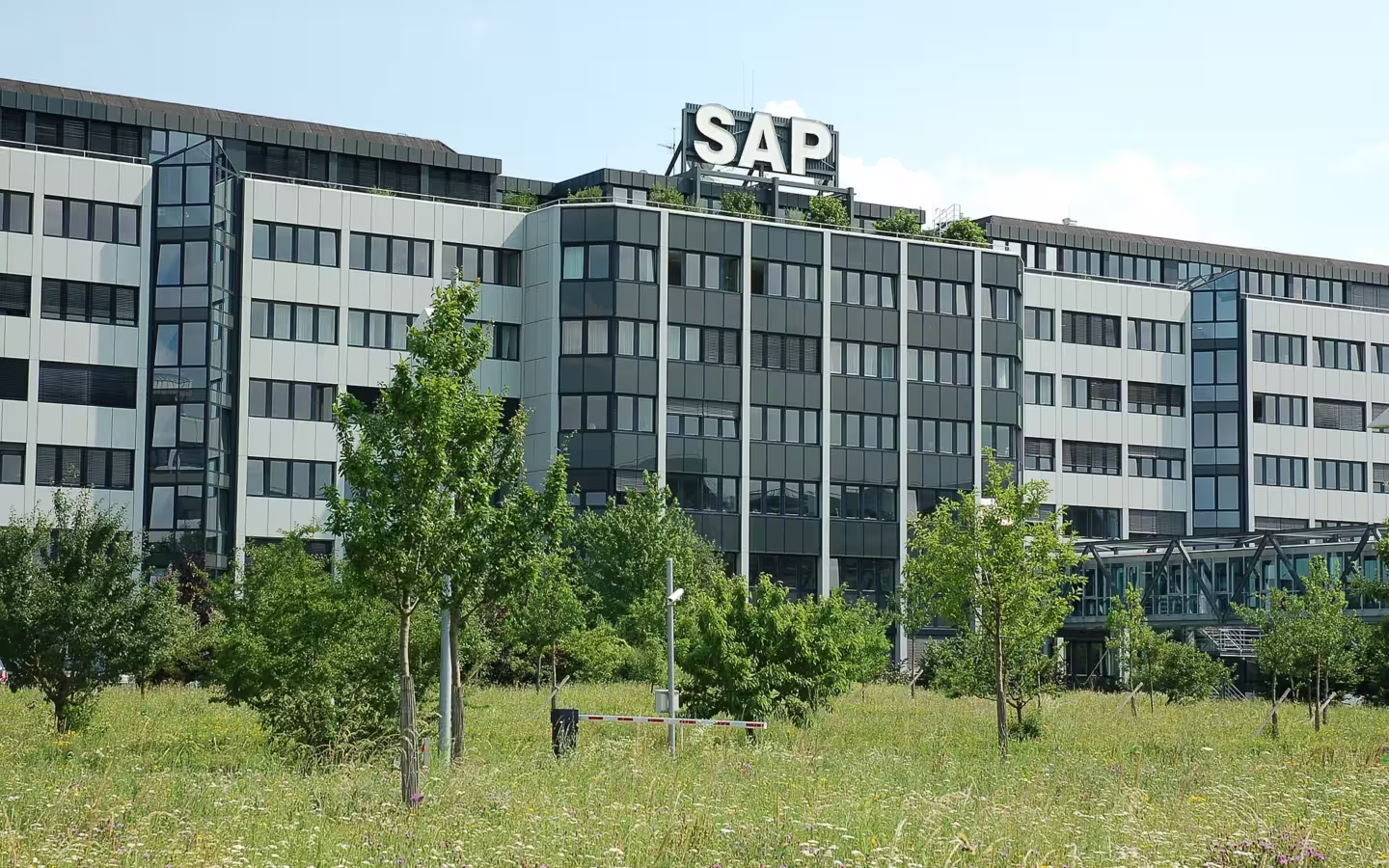
SAP is replacing some costly AI models in its products and expects more than €2 billion in efficiency gains over the next two years, Reuters reported on 28 October 2026. Chief Financial Officer Dominik Asam told Reuters about the changes. SAP is choosing lower-cost models for tasks they can perform to its required standard, while expecting its overall AI spending to rise.
Key points
- SAP expects more than €2 billion in efficiency gains over the next two years from changing its mix of AI models.
- Asam said the company has replaced expensive models in products including its internal consulting assistant where cheaper alternatives performed strongly.
- SAP uses more than 70 models, including those from OpenAI, Anthropic and Google, and charges customers for completed tasks.
- Asam said customers in regulated industries increasingly set requirements concerning model origin, while European customers increasingly seek local solutions.
SAP changes models in its consulting assistant
Asam said SAP has removed some of its most expensive models from products including an internal consulting assistant. The replacements cost less and were chosen for uses where their performance remained strong. The changes concern models already powering SAP products, rather than a separate test of whether the company should use AI.
SAP expects the substitutions to contribute to its efficiency target over the next two years. The company’s software is used by many of the world’s largest businesses, and its model choices affect the cost of providing AI functions within those products as their use grows.
The company has also introduced Physical AI to direct robots from enterprise systems, AI Affairs previously reported. Asam’s account of the model changes concerned products including the internal consulting assistant.
SAP selects from more than 70 models
SAP uses more than 70 AI models from providers including OpenAI, Anthropic and Google. Asam said the company is increasingly selecting the cheapest model that can complete a given task to its required standard. That approach allows different tasks to be assigned different models rather than treating one provider’s most expensive option as the default.
The standard of performance remains part of the selection, Asam said. In the internal consulting assistant, SAP replaced models where the lower-cost alternatives continued to perform strongly. The company expects its total spending on AI to increase as adoption grows, even as it removes some expensive models from particular uses.
“The goal is healthy margins as scale grows, not an absolute reduction in AI expenditure,” SAP said in answers to the news agency’s questions. The company’s expected efficiency gains and its rising overall AI expenditure therefore sit alongside one another in its plans for wider use of the technology.
SAP charges for completed tasks
SAP bills customers for completed tasks rather than the computing resources used to produce responses. Lower model costs can consequently improve profitability on those tasks. The company bears the model operating cost while charging for the work delivered to customers, making the choice of model relevant to its margins as usage expands.
The billing method differs from that of many AI providers, which charge for the underlying computing resources, Reuters reported. For SAP, replacing an expensive model where a cheaper one meets the required standard reduces the cost of delivering a task without changing the basis on which the customer is charged.
Model choice also depends on customer requirements beyond cost and performance. Asam said government agencies and companies in regulated industries increasingly set specific requirements about where models originate and exclude some on that basis. European customers are increasingly requesting local solutions, he said.