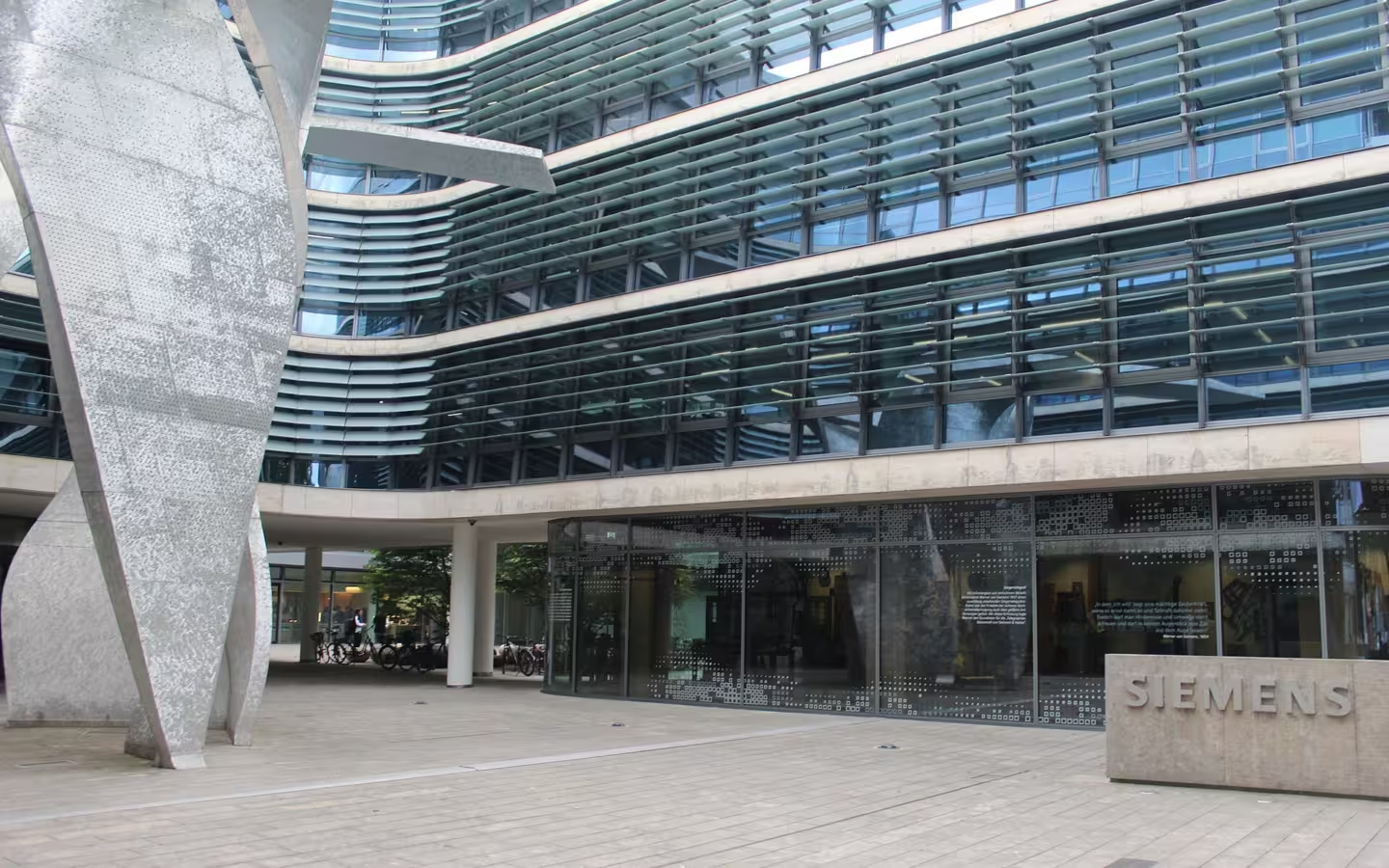
Siemens, which has some 30,000 software engineers, warned on 20 October that eliminating entry-level jobs as AI takes on routine work could leave young employees without skills needed to assess its output, DW reported. The warning from Judith Wiese, Siemens’ chief people and sustainability officer, came as Chancellor Friedrich Merz hosted the Invest in Germany Summit in Berlin, where industrial AI was a main focus.
Key points
- Wiese said young developers need to write code themselves to judge code produced by AI.
- She said Siemens could use productivity gains to employ fewer people for the same work or expand output with its existing workforce.
- Wiese said it was too early to determine AI’s effect on employment.
Wiese calls for hands-on software training
Wiese’s example was software development. She said developers must have experience writing their own code to examine code generated by AI critically. Routine assignments that a junior employee completes personally can build the knowledge that the employee later needs when checking an AI system’s work.
“The crucial question is always: What do I need to have done, checked and seen myself to avoid being misled by AI?” Wiese said.
Wiese said companies should give young staff the chance to perform tasks themselves and develop the skills to validate AI results, MarketScreener reported. It identified her as Siemens’ chief human resources officer. She said Siemens would continue hiring young people and investing in their development.
The concern extends beyond whether an AI tool can complete an assignment. Wiese warned that employees who miss stages of practical experience could lack capabilities required later in their careers. In her account, training staff to review AI-generated work still requires employers to let them do some of that work without the tool.
Wiese also said AI could help employees acquire skills faster. More experienced colleagues could learn from younger staff who had grown up using the technology, she said. Those potential gains sit alongside her warning about removing the work through which new employees learn to exercise judgement.
Siemens weighs productivity across 30,000 engineers
For Siemens, the employment question reaches a substantial software workforce. Wiese put the number of engineers at about 30,000, while the company has 317,000 employees worldwide, according to MarketScreener’s company profile. She said AI’s eventual effect on employment was still too early to determine.
“You can use the additional productivity either to do the same work with fewer people or to do more with the same number of employees,” Wiese said. She said faster processes were already allowing Siemens to test more ideas and pursue projects that previously would not have been possible.
That choice matters as Siemens expands its use of AI in manufacturing. An AI Affairs report on Siemens’ factory plans described a target of up to 80% automation and a planned €500 million expansion. Wiese’s comments addressed the separate question of how the company retains the experience employees need while AI assumes more tasks.
Berlin summit centres industrial AI
The Invest in Germany Summit opened on 19 October and continued on 20 October. More than 200 executives from companies, investment banks and funds were attending the Berlin event, which sought to attract foreign investment. Germany and Nvidia announced an agreement there to deepen cooperation on AI in German industry, DW reported.
Merz and Nvidia chief executive Jensen Huang said combining German engineering with AI technology would strengthen the economy over the long term. Germany has faced difficulty attracting foreign investment amid high energy and labour costs. Government sources said private investment would help bridge public funding gaps for infrastructure and companies’ transition to climate-neutral production.
Siemens has a fourth-quarter 2026 earnings release scheduled for 11 November, according to MarketScreener’s company calendar.