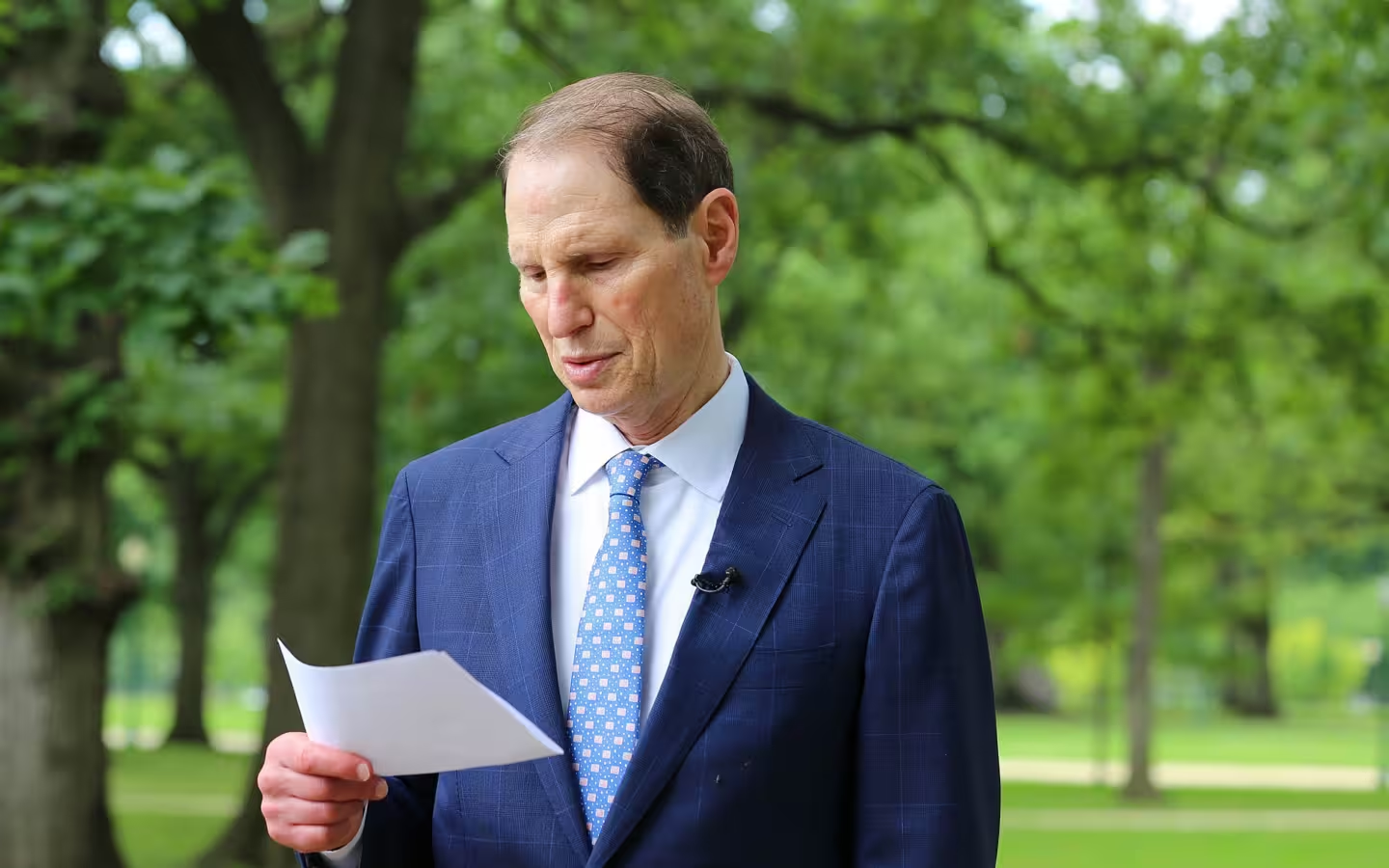
Representative Richard Neal and Senator Ron Wyden opened an inquiry on 12 November into the Trump administration’s handling of Nvidia chip sales to China, in a letter to Commerce Secretary Howard Lutnick reported by TechCrunch. Neal, the top Democrat on the House Ways and Means Committee, and Wyden, his counterpart on the Senate Finance Committee, question a tariff arrangement tied to export licences and the continued approval of purchases by Megaspeed, a Singapore-based Nvidia customer suspected by US officials of helping route advanced chips into China.
Key points
- Neal and Wyden allege that routing Taiwan-manufactured H200 chips through the United States allowed Trump to collect a tariff on sales to China.
- They question why Commerce continued allowing Megaspeed purchases after Lutnick was reportedly told of US intelligence suspicions concerning a company executive.
- The Democrats have asked Commerce to preserve records, but their minority-party positions do not give them power to compel answers.
- A separate, Republican-led group of House committees has sought testimony from Jensen Huang.
Neal and Wyden challenge the H200 arrangement
The Democrats describe an arrangement under which President Donald Trump agreed to Nvidia H200 sales to China on condition that the Taiwan-manufactured chips first travelled to the United States. A tariff was then applied before the Commerce Department issued an export licence. Neal and Wyden allege that this let Trump take a share of the sales through “what appears to be an unconstitutional export tax system”. The constitutional characterisation is theirs. Their letter asks Commerce to preserve records concerning the arrangement.
The revenue-sharing deal was public. In August 2025, Nvidia and AMD agreed to give the US government 15% of their revenue from chip sales to China as part of an arrangement to obtain export licences, TechCrunch reported. Neal and Wyden’s letter also raises the route taken by the H200 chips before export. Those are distinct questions for Commerce: what the administration agreed with the chipmakers, and how the tariffs and licences were applied to the resulting sales.
The letter raises Nvidia’s donations to Trump projects as well. Neal and Wyden say the export deal was approved after Trump learned of Nvidia chief executive Jensen Huang’s “compromised position” over his relationship with Alice Huang and after Nvidia contributed $26 million to Trump projects, including the ballroom. They question how those donations figured in the administration’s decisions. The donation and timing form part of the lawmakers’ account, rather than a finding that a contribution determined an export approval.
Megaspeed purchases put Lutnick under scrutiny
Alice Huang was an executive at Megaspeed and is accused of being a Chinese spy. Jensen Huang was removed as Nvidia’s chief executive on 12 November after acknowledging an extramarital affair amid reports of their relationship. Neal and Wyden ask why Lutnick continued to allow Megaspeed to buy chips after he was reportedly informed of US intelligence suspicions about Alice Huang and the relationship. Their question concerns Commerce’s decisions about the customer as well as the administration’s dealings with Nvidia.
The lawmakers also question reported Commerce approvals for other Asian companies whose listed addresses, according to the letter, had “no physical presence”. Their inquiry therefore reaches beyond Megaspeed to the checks applied to buyers seeking Nvidia chips. It asks Lutnick to account for decisions made under his department’s export licensing authority, rather than asking Nvidia alone to explain where its products went.
Other administration officials sought to restrict companies suspected of diverting Nvidia chips to China, but Lutnick resisted those efforts, Axios reported, citing its sources. That account concerns an internal dispute over restrictions. Neal and Wyden’s letter asks Commerce about approvals for particular purchasers.
House committees seek Huang’s testimony
This is the second Congressional investigation into Nvidia’s China sales since the allegations about Alice Huang emerged. A Republican-led effort involves leaders of the House Select Committee on the Chinese Communist Party, the House Committee on Foreign Affairs and the House Intelligence Committee. They sought Jensen Huang’s testimony in a closed session and threatened a subpoena if he did not agree voluntarily. He agreed on 12 November. Neal and Wyden, by contrast, are minority-party lawmakers: they can put questions to the administration, but cannot compel answers.
Senators Elizabeth Warren and Chris Coons made a separate request to preserve Nvidia China export records. Their letter went to Lutnick, Secretary of State Marco Rubio and White House chief of staff Stephen Miller. It covers administration material concerning Nvidia exports to China and Jensen Huang’s relationship with a suspected Chinese intelligence asset, Yahoo Finance reported. Warren and Coons asked the officials to confirm by 17 November that they would comply and had begun preserving the records.