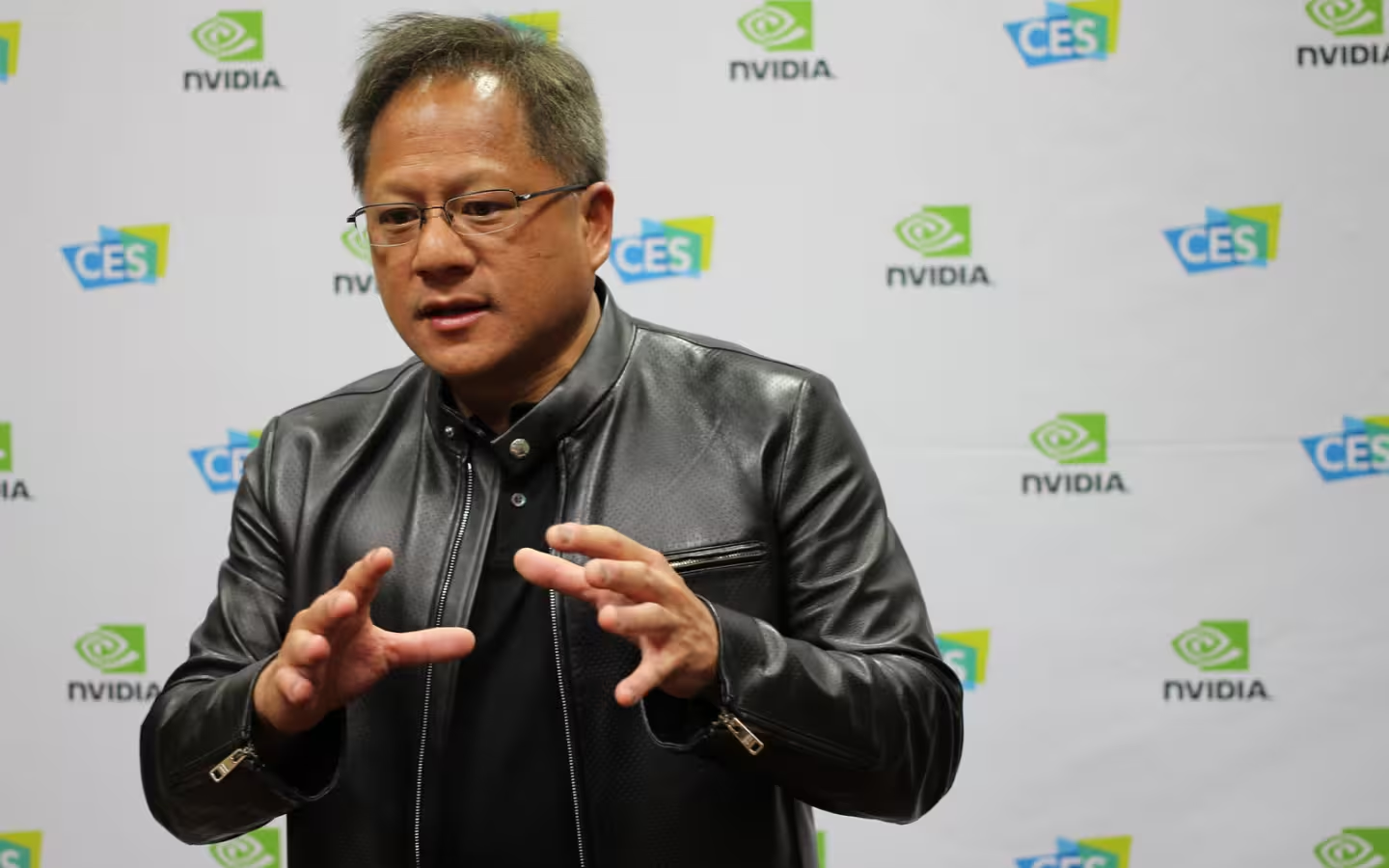
Former Nvidia chief executive Jensen Huang agreed on 11 November to testify before Congress by Thanksgiving, House Foreign Affairs Committee chairman Brian Mast said, according to TechCrunch. Mast said on 12 November that the appearance would be behind closed doors and that he expected a video recording and transcript. The agreement follows a request from three House committee chairs for Huang to answer questions about Nvidia’s security protocols against foreign espionage, after Mast raised the possibility of a subpoena.
Key points
- Mast says Huang has agreed to testify before Congress by Thanksgiving.
- Mast expects a closed-door appearance, recorded on video and transcribed.
- Three House committee chairs requested Huang’s appearance on 4 November. Mast later said he was prepared to subpoena him.
- Nvidia’s board said on 12 November that Huang had resigned and chief financial officer Colette Kress would serve as interim chief executive.
Three chairs requested Huang’s appearance
Mast, John Moolenaar, chairman of the House Select Committee on the Chinese Communist Party, and Rick Crawford, chairman of the House Intelligence Committee, sent Huang a letter on 4 November asking him to appear before their committees. The three Republicans had sought a closed-door briefing. An earlier AI Affairs report covered a request for an 18 November briefing.
On 10 November, Mast told ABC News he was prepared to subpoena Huang if the then-chief executive did not respond by 11 November. The request concerned Nvidia’s safeguards against espionage by foreign adversaries, following reporting about Huang’s alleged relationship with a woman suspected of acting for the Chinese government. Mast said he wanted to ask Huang, among other things, about any correspondence with that government.
The committee chairs’ request and Mast’s threatened subpoena were separate from Huang’s subsequent agreement to testify. A subpoena would have been a compulsory demand from Congress. Mast’s 10 November statement made that step conditional on Huang’s failure to respond by the following day. ABC News reported that House Republicans would lose control of their committees when Democrats took over in January and that any subpoena would likely expire, leaving Democrats to issue a new one.
Mast expects a recording of Huang’s testimony
Mast said Huang had agreed to testify by Thanksgiving. An earlier request sought a briefing on 18 November. Mast said the session would be closed to the public, but he expected it to be recorded on video and transcribed. TechCrunch reported his remarks after senior lawmakers had threatened to subpoena Huang. The account describes an agreement to appear, rather than a subpoena issued by any of the committees.
Mast has also connected his questions for Huang to export controls. Speaking to reporters, he said the two had been at odds over those controls, while calling Nvidia important to the United States. He said he did not want the company harmed and that Huang had serious questions to answer, TechCrunch reported. Those remarks place the proposed questioning alongside a policy dispute over Nvidia’s chips, though the committees’ request concerned security protocols and the reported relationship.
Nvidia’s board said it had no reason to believe that national security or the company’s secrets had been compromised by the affair, according to ABC News. The company said Huang supported its review and would cooperate. An earlier AI Affairs report covered the board’s independent inquiry into the alleged link.
The allegations have drawn questions from Democrats as well. House minority leader Hakeem Jeffries wanted a full briefing on the Nvidia matter and its national-security implications. President Donald Trump said on 9 November that the FBI was investigating. The Chinese government denied the espionage allegations, calling them baseless smears. Those positions concern the alleged relationship that prompted the committees’ request, rather than Huang’s agreement to appear.
Nvidia names Kress interim chief executive
Huang’s position at Nvidia changed between the committee chairs’ letter and Mast’s account of the agreement. He was chief executive when Mast discussed a possible subpoena on 10 November. The board said on 12 November that he had resigned after 33 years at the company, CNN reported. Its decision followed a board meeting late on 11 November, after separate reporting about Huang’s relationship with an Nvidia executive.
The board’s investigation into the alleged espionage link and the reported relationship with the executive were distinct matters in CNN’s account. The former chief executive’s agreement to answer the House committees’ questions stands despite his departure from the role he held when they wrote to him. Nvidia’s board said on 12 November that chief financial officer Colette Kress would serve as interim chief executive.