The European Commission is using artificial intelligence to help draft new laws and simplify existing ones, according to its annual simplification report presented on 4 November, Politico reported from Brussels. Commission staff are using the tools to compare legal acts for overlapping, inconsistent or duplicate provisions and to find opportunities to make them simpler. The deployment puts AI inside the Commission’s legislative work as it pursues a wider effort to reduce administrative costs for businesses.
Key points
- The Commission is using AI internally to help draft laws and examine existing legal acts for possible simplification.
- The EU has produced 12 omnibus packages to revise existing legislation. The Commission estimates they will save the EU economy €22.3 billion in costs.
- The Commission launched 874 infringement procedures between August 2025 and July 2026.
- European Parliament President Roberta Metsola urged lawmakers to retain critical thinking and democratic accountability when using AI.
Commission staff compare legal acts with AI
The Commission describes the tools as a way for staff to find similar provisions in different legal acts. Its stated aims include locating potential duplication and inconsistency, as well as passages that may be candidates for simplification. It is also increasing legal training and staffing as part of its effort to keep new rules from becoming overly complex. Those measures place the tools alongside work by Commission officials, rather than presenting AI as a separate lawmaking body.
The work belongs to a simplification drive that Commission President Ursula von der Leyen has made central to her second term. It reaches rules concerning technology, agriculture, migration, environmental protection and taxation. The Commission is reviewing existing legislation as well as changing how it prepares new rules. Von der Leyen had previously backed AI to simplify the Commission’s own work, as AI Affairs reported. The annual report places that approach in the Commission’s legislative process.
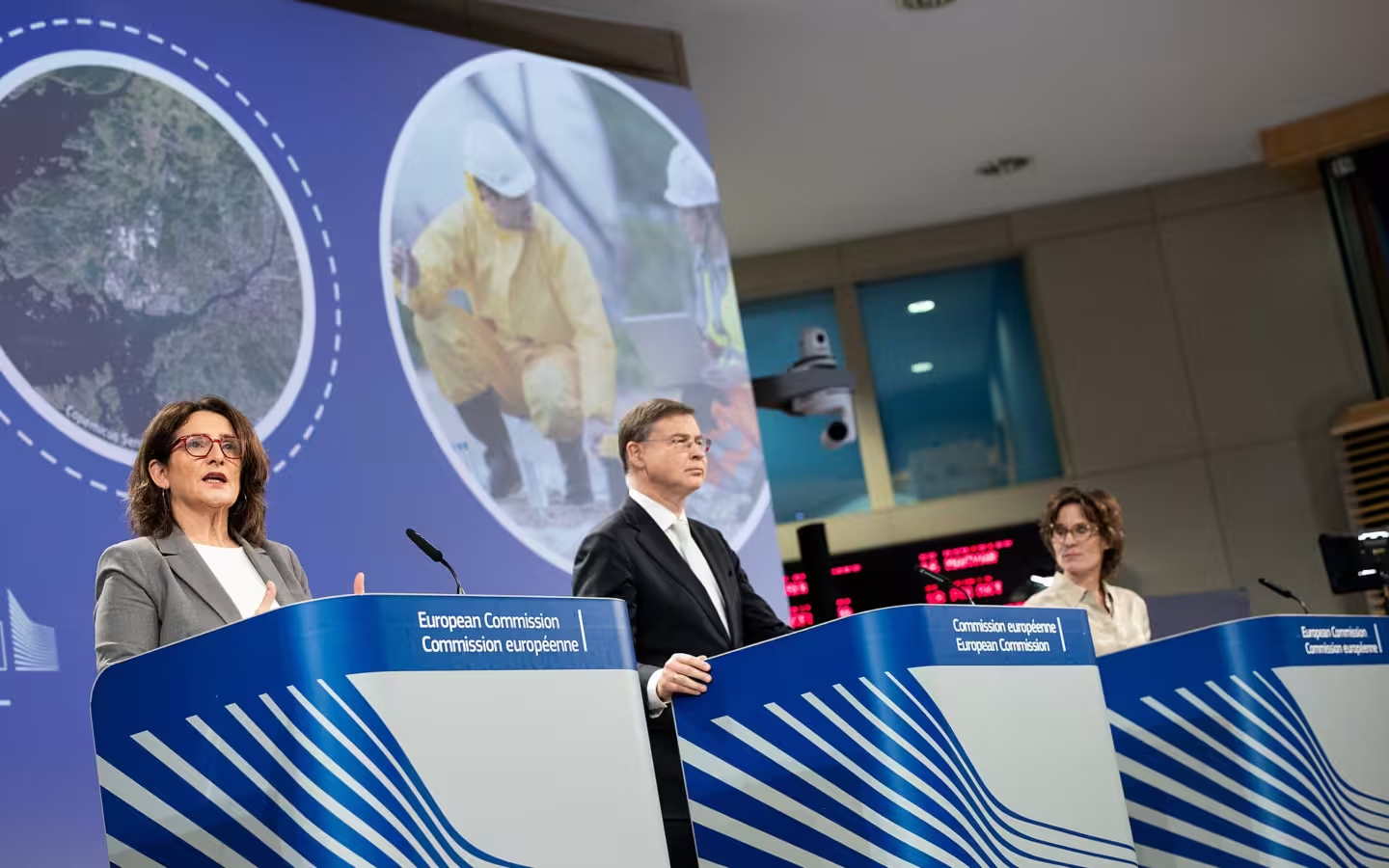
At a press conference, EU Simplification Commissioner Valdis Dombrovskis described the agenda as “more than figures in a report”. He said its effects were being felt in European offices, factories and farms, and argued that small business owners were spending less time on forms. That is the Commission’s account of the benefits it expects from cutting administrative work. The report also sets out the legislative revisions and enforcement activity through which it is pursuing simplification.
Twelve omnibus packages and €22.3 billion
The EU has produced 12 omnibus packages to revise and simplify legislation already on the books. The Commission estimates that the packages will save the EU economy €22.3 billion in costs. They are part of an attempt to make rules easier for businesses and governments to follow, alongside the use of digital tools in drafting. Dombrovskis warned, however, that some packages risk emerging from the legislative process with substantially less simplification than the Commission proposed.
His warning concerned the positions taken by national governments when EU legislation is negotiated. Dombrovskis called for a joint effort with member countries and said their positions on legislative files did not always reflect political demands for simplification. EU leaders have called for less red tape, while governments have also sought changes to Commission proposals during negotiations. The amount of simplification in a package therefore depends on more than the Commission’s initial proposal.
EU governments face infringement procedures
Implementation is another part of the Commission’s drive. Between August 2025 and July 2026, it launched 874 infringement procedures against member states, a total the annual report describes as the highest in the last 10 years, Politico reported. The Commission has been pressing governments to apply EU law properly even as it seeks to revise parts of the rulebook. That work concerns what happens to legislation after it has been agreed, rather than how Commission staff prepare a draft.
The Commission is also challenging “gold-plating”, the addition of national requirements when governments put EU legislation into domestic law. It expects to sign a “pact against gold-plating” with EU governments by the end of 2026. The proposed pact concerns choices made by member states during implementation, beyond the Commission’s internal use of AI or its proposals to simplify EU-level rules.
European Parliament President Roberta Metsola urged lawmakers on 4 November to be careful about adopting AI for decision-making. She argued that it should not replace critical thinking and called for “democratic accountability” in lawmaking. Her warning concerned the people who make legislative decisions, while the Commission’s report describes tools intended to assist its staff in preparing and examining legal acts.