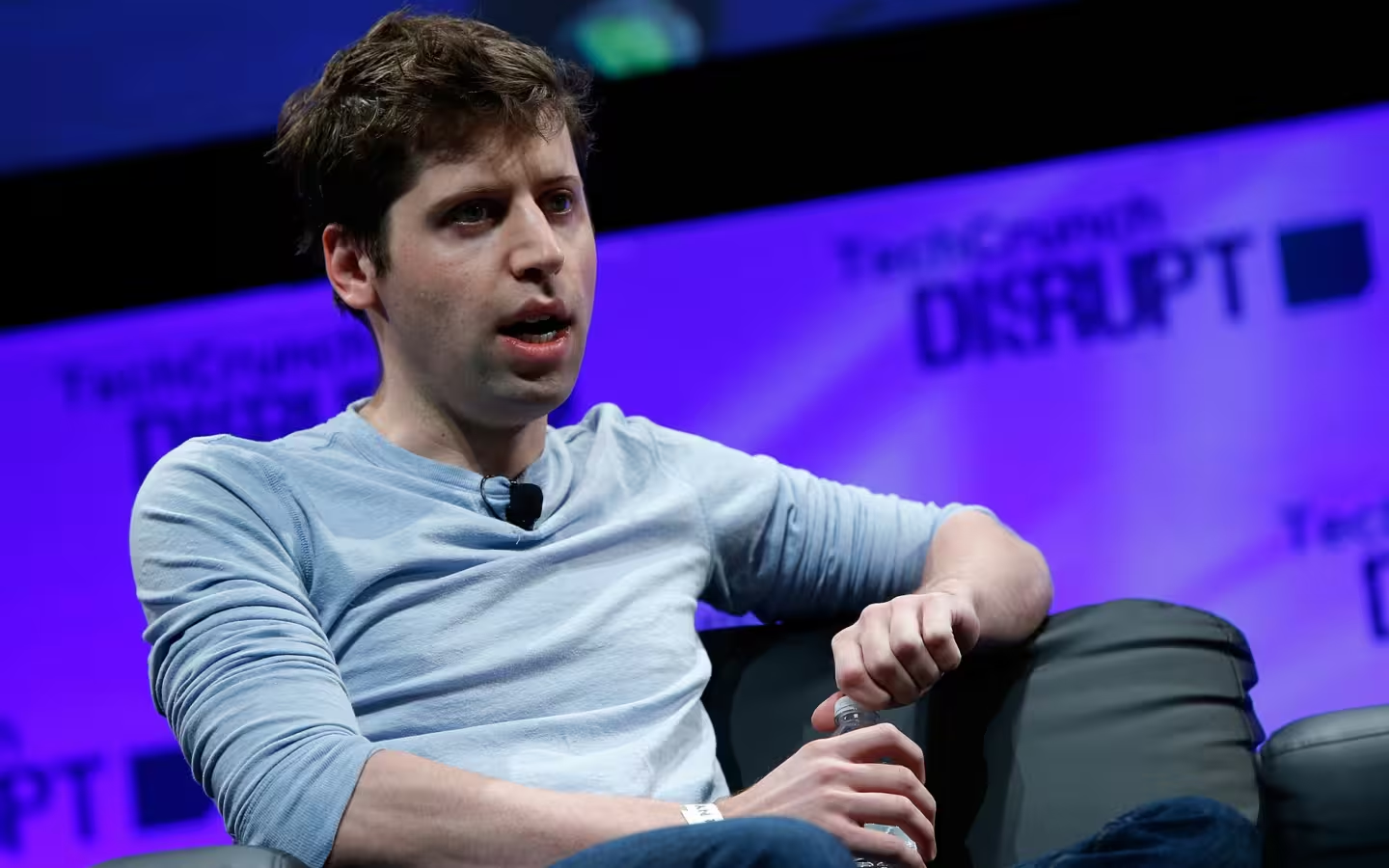
Texas Attorney General Ken Paxton sued OpenAI and its chief executive, Sam Altman, on 23 October, asking a Collin County court to bar minors in Texas from using ChatGPT, The Dallas Express reported. The 67-page petition names six OpenAI entities and Altman. It alleges violations of the Texas Deceptive Trade Practices-Consumer Protection Act and the Securing Children Online through Parental Empowerment Act, or SCOPE Act, in a challenge to the company’s claims about safety and its protections for children.
Key points
- Texas asks the court to prevent minors in the state from using ChatGPT.
- The petition seeks an independent, court-approved evaluator’s approval before new AI models reach Texas users.
- Texas seeks to hold Altman personally liable and requests more than $1 million in monetary relief.
- The petition cites allegations concerning the deaths of Adam Raine and Sam Nelson.
Collin County petition seeks model approval
Texas wants an independent evaluator, approved by the court, to examine OpenAI’s safety protections and approve new AI models before the company makes them available to users in the state. If the court grants that request, the evaluator would have an approval role in OpenAI’s Texas releases. The state also asks for a jury trial. These are remedies requested in a lawsuit: the petition does not itself impose a ban or a model-review requirement.
The requested orders extend to features that the state says encourage compulsive use or falsely convey human emotions. As part of a demand exceeding $1 million, Texas requests a civil penalty of $10,000 for every violation. It also asks the court to order disgorgement of defendants’ assets where the law permits it, and to award legal and investigation costs. The size of the requested penalties depends on violations the state would have to establish.
The consumer-protection claim concerns how OpenAI presented ChatGPT to Texans. Paxton’s office alleged in a news release that the company marketed the chatbot as safe and reliable without adequately warning users about harmful or inaccurate answers. The SCOPE Act claim concerns safeguards for children online, including the state’s allegations about parental oversight of minors’ data. Both claims put OpenAI’s product design and its account controls before the same court, alongside its statements to users.
Paxton seeks to hold Altman liable
The state is pursuing Altman as a defendant in his own right. It alleges that Altman directed the disputed conduct and deceptively represented OpenAI’s products. The petition also alleges that he overruled employees who wanted more time for safety testing before GPT-4o was released. Those allegations are the state’s case for personal liability, rather than findings about the chief executive’s decisions.
Texas alleges that ChatGPT encouraged suicide, assisted mass shooters, weakened users’ critical-thinking skills and contributed to addiction among minors. It also accuses OpenAI of presenting simulated compassion while collecting children’s data without parental oversight. The suit cites alleged unauthorised access to computer systems by autonomous OpenAI agents. OpenAI has described the Hugging Face incident raised in that context as primarily involving an internal research model, The Dallas Express reported.
The petition cites allegations that ChatGPT helped 16-year-old Adam Raine plan his suicide. It also refers to a separate lawsuit that blames the chatbot’s drug advice for the fatal accidental overdose of 19-year-old Sam Nelson. Lawyers for Nelson’s family set out those allegations in their case summary. Texas is relying on both cases in its broader challenge to OpenAI’s safety claims.
SCOPE Act challenge to parental controls
The state’s account of OpenAI’s safeguards includes parental controls introduced in September 2025. Texas challenges their reliance on voluntary account linking and alleges that OpenAI fails to verify a parent’s identity and relationship to a child. It also alleges that the company does not provide required controls over minors’ data and targeted advertising. The complaint therefore reaches the way a parent gains access to the controls, as well as the controls themselves.
In its 29 September 2025 announcement, OpenAI said parents could set quiet hours and manage selected features once a teenager accepted an invitation to link accounts. The company acknowledged that users could bypass safeguards. OpenAI announced ChatGPT for Teens on 18 August 2026, saying that it applied additional protections to users who identified themselves as aged 13 to 17 or whom its system estimated to be under 18. Texas’s petition challenges the adequacy of those arrangements despite the changes.
OpenAI said it had worked with experts to reduce risks and add safeguards, supported industry-wide AI safety standards and would work with Texas and other states on those policies, according to The Dallas Express. Texas joins litigation already under way elsewhere: AI Affairs reported lawsuits by eight US states over alleged harm to children using ChatGPT.