President Donald Trump’s ties to Nvidia chief executive Jensen Huang came under renewed scrutiny on 11 November following revelations about Huang’s affair with a woman alleged to be a Chinese spy, Reuters reported. Huang had pressed for looser restrictions on Nvidia’s AI chip sales to China. In January 2026, the Trump administration began permitting some H200 exports to China case by case.
Key points
- A CNBC columnist wrote that the administration reportedly received warnings about Huang’s relationship before it became public.
- Huang met Trump repeatedly while Nvidia sought access to China’s market for advanced chips.
- The administration began allowing some H200 exports in January 2026, while retaining restrictions on listed organisations.
- Nvidia’s independent directors have launched an inquiry into the affair and its implications.
Warnings about Huang’s relationship
The Trump administration reportedly received warnings about Huang’s relationship before the affair became public, Dewardric L. McNeal wrote in a CNBC opinion column published on 10 November. McNeal said Huang continued to take part in semiconductor policy discussions while advocating wider access to the Chinese market. McNeal argued for scrutiny of Huang’s access to policymaking in light of reports that the administration had been warned.
Huang has acknowledged an extramarital affair with Alice Huang, formerly an executive at Singapore-based Megaspeed, an Nvidia customer, according to McNeal’s column. McNeal wrote that American intelligence officials reportedly believe China’s Ministry of State Security recruited Alice Huang to collect intelligence and possibly shape Nvidia’s push to relax US semiconductor export restrictions. China denies the allegations. The allegation concerns her possible role and purpose, rather than an established transfer of information.
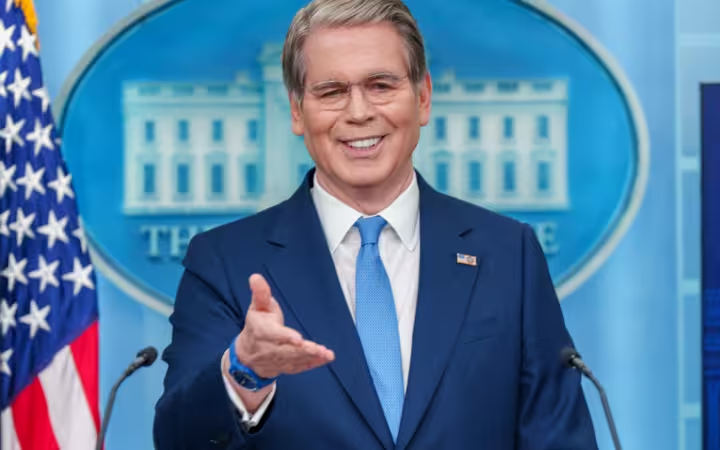
According to McNeal, Trump defended Huang in public, saying Huang had been unaware that Alice Huang might be a spy and expressing confidence in the Nvidia chief. Trump also said he did not remember being warned by national intelligence about the threat, if such a warning had been given, according to the column. Those remarks sit alongside McNeal’s account of warnings received by the administration, rather than identifying who received them.
Nvidia’s access to the White House
Huang met Trump in January 2025, at the White House in July and August, and in Washington in December. The August meeting took place while the administration and Nvidia were discussing whether to allow advanced AI chip sales to China. The July White House meeting preceded a visit by Huang to China. These encounters form part of the period in which Nvidia sought permission to sell more advanced chips to Chinese customers.
At an AI summit later in July 2025, Trump praised Huang while speaking and signing executive orders. In December, Trump again praised the Nvidia chief and said Huang understood his position on export controls. Huang was in Washington that day to meet lawmakers, whom he told that regulation by individual US states would slow AI development. His access therefore extended to both the president and legislators as chip policy was being contested.
Huang and the White House have argued that continued American chip sales would leave Chinese customers reliant on US technology. Democratic and Republican lawmakers have called for advanced AI chip exports to China to stop, Reuters reported. The positions put different costs on the same decision: Nvidia sought sales under fewer restrictions, while lawmakers pressing for a halt opposed access for Chinese buyers. Huang voiced support for the administration’s AI agenda and met Trump repeatedly.
The H200 decision and Nvidia’s inquiry
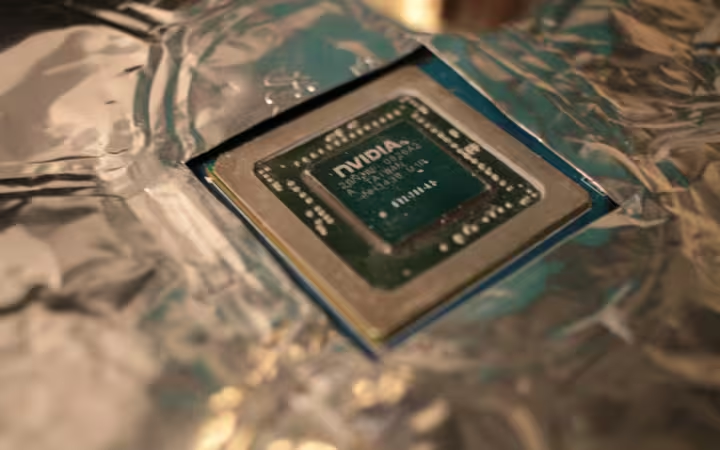
In January 2026, the administration began allowing some Nvidia H200 exports to China on a case-by-case basis. The change did not remove restrictions on organisations Washington had placed on a trade restriction list. The distinction matters for exporters and buyers: permission for an eligible shipment did not give every Chinese organisation access to the chip. The decision followed the meetings and advocacy Reuters described, though its account does not attribute the export decision to Huang.
The affair has also drawn attention beyond the export decision. AI Affairs has reported lawmakers’ calls for Huang to resign as China chip controls came under review and Trump’s statement that the FBI was looking into the alleged spy link. Those proceedings concern different questions from whether an H200 shipment qualifies under the administration’s case-by-case approach.
AI Affairs has also reported that Nvidia’s board opened an independent inquiry. McNeal wrote that Nvidia’s independent directors said they had so far established no compromise of company secrets or national security information. Their investigation addresses Huang’s conduct and any consequences for the company, while the administration’s export decision governs which chip sales may proceed.