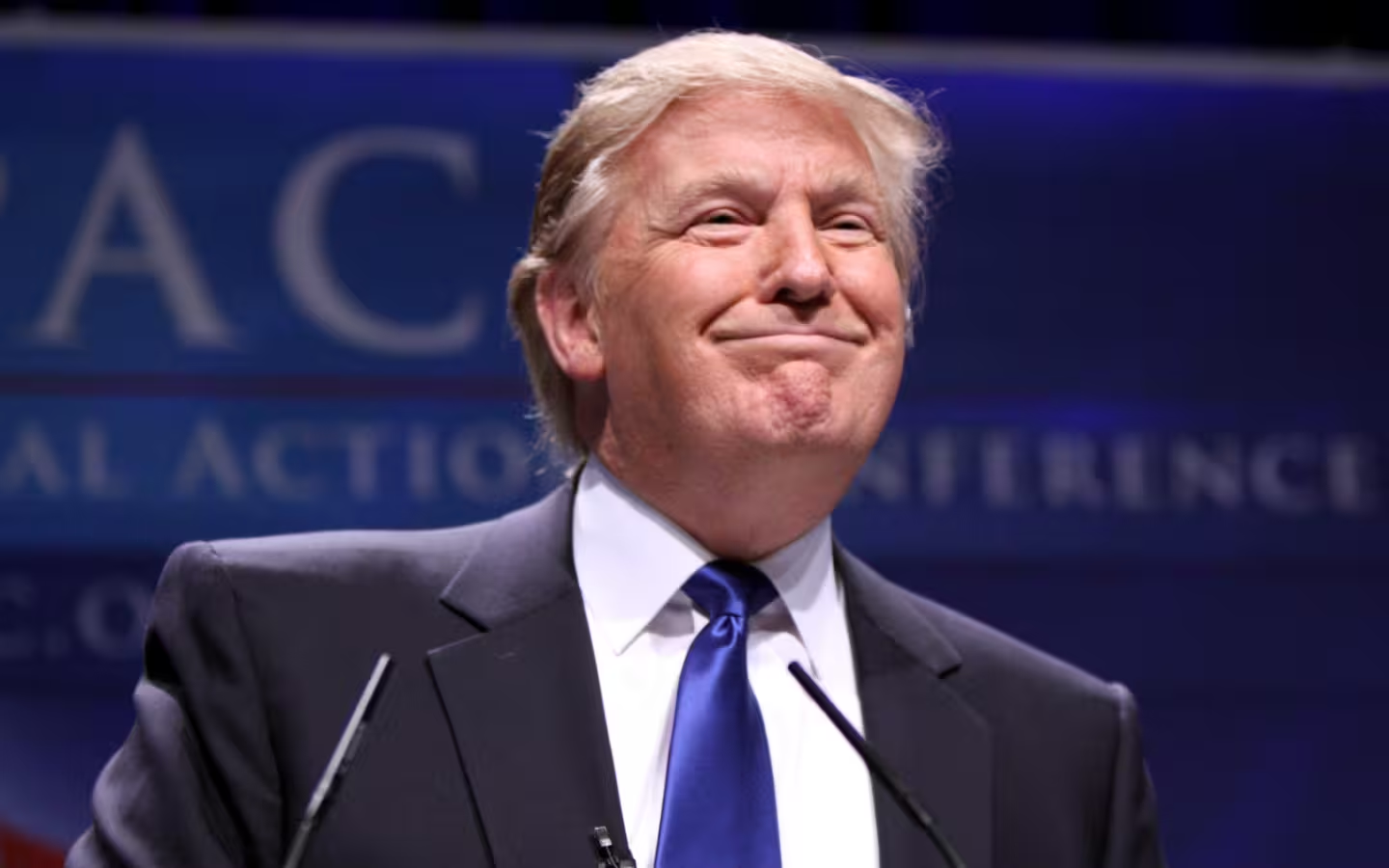
President Donald Trump said in a 21 October Truth Social post that new, large data centres must generate their own electricity and offer surplus power to nearby communities or the grid, CNBC reported. He also urged companies to pay host communities or their residents a dividend. The post puts power supply and local payments alongside the data centre expansion he had previously encouraged, although Bisnow reported that it is unclear whether an executive action will accompany his stated mandate.
Key points
- Trump said new, large data centres are mandated by him to produce their own electricity and give or sell surplus power locally.
- He urged operators to strike financial deals with host communities, including dividends for residents or the community.
- Republican Senate campaign officials warned technology firms in August that opposition to data centres was hurting the party’s prospects.
- Bisnow reported that it is unclear whether the stated power mandate will be followed by executive action.
Trump’s electricity demand meets grid policy
Trump described new and large data centres as “mandated by me to make their own electricity”. He said operators should give or sell any excess to the local community or grid. He presented the arrangement as a way to hold down electricity prices and said prices could fall substantially. The distinction between that assertion in a social media post and an enforceable obligation matters for operators planning a power supply: it is unclear whether the mandate will be accompanied by executive action.
Data centre developers have already been pursuing on-site generation while facing years-long waits for grid connections. Some projects pair a campus with a power plant connected to local transmission lines. States and regional grid operators have also sought to make self-supplied generation a condition of connecting data centres to the grid. Efforts to impose such requirements across the country’s largest grid system were rejected in October by the Federal Energy Regulatory Commission, which is led by Trump appointees.
Power is only one part of the costs borne locally. Residents have raised concerns about water use, land and electricity bills, while multiple states have considered moratoriums on data centre development. Grid access is also a constraint for builders: Crusoe chief executive Chase Lochmiller told CNBC that finding land with sufficient power for large AI facilities remained a focus for his company, alongside permits and work with local communities. His account describes a development problem that a call for self-generation alone does not settle.
The administration announced a Ratepayer Protection Pledge in March under which major technology firms committed to cover the full cost of power delivery and grid upgrades needed to serve them, Bisnow reported. What counts as “full cost” remains a matter of interpretation. Trump’s October demand moves from paying for infrastructure towards supplying electricity, while leaving the form of any executive action uncertain.
An August warning from Republican Senate officials
The politics of building data centres have changed over the course of the year. Trump urged US data centre expansion and raised the possibility of payments for host communities, AI Affairs previously reported. In August he criticised communities resisting projects, saying they were giving China an advantage in AI and would “end up being backwards and poor”. His latest post instead asks companies to secure local support through a financial deal.
The National Republican Senatorial Committee sent a memo to major technology and AI companies in August warning that Democrats had made data centres the “centerpiece” of a campaign against Republican Senator Jon Husted in Ohio, Bisnow reported. The committee argued that negative sentiment towards the projects had particularly damaged Republican prospects in the Senate. Candidates from both parties have opposed data centres, but the issue has been more prominent in Democratic campaigns as the administration has encouraged construction.
Trump said he had seen unpopular data centre projects become popular once a financial agreement was reached. His instruction to companies was to “MAKE DEALS”. That account treats a payment as a means of winning consent from neighbours who may otherwise resist construction. The August campaign warning supplies a more immediate reason for the change in emphasis: electricity bills and local opposition have become election issues ahead of the November midterms.
Nebius considers payments to host communities
Marc Boroditsky, chief revenue officer at AI infrastructure company Nebius, told CNBC the company was “100% in principle” having discussions about investing in communities. He described education, job development and broader economic development as forms such investment could take, and suggested that residents might also receive a more direct economic benefit. Those possibilities differ from a cash dividend paid to each resident, though Trump’s post addressed both communities and individuals.
Developers already offer benefits beyond tax revenue to build local support, including funding institutions and equipment for fire departments. Cash payments are less common. In October, residents of Hazle Township, Pennsylvania, rejected a proposed Amazon Web Services campus despite its developers’ promise of a $10,000 cash dividend to every resident.