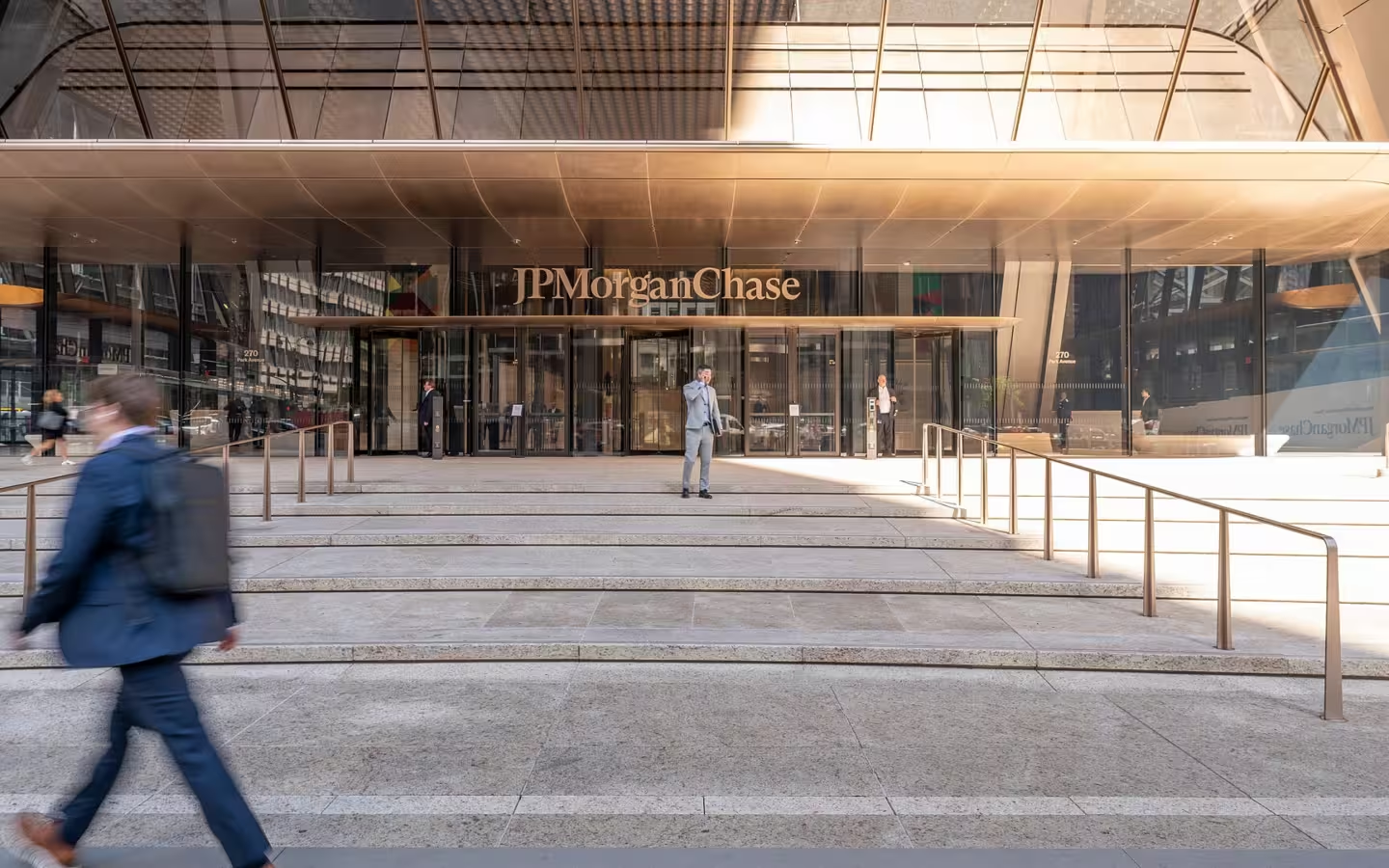
Citigroup and JPMorgan Chase have added chip-export compliance terms to documents for a potential $6.6 billion loan to Bain Capital-owned Bridge Data Centres, The Next Web reported on 18 November 2026. The terms would make the Singapore-based data centre operator responsible for following US restrictions on access to chips.
Key points
- The proposed loan could grow to $6.6 billion, and its documents could still change.
- The wording covers US export controls and the Commerce Department’s Entity List, which identifies parties subject to trade restrictions.
- Bridge previously sold computing capacity in Malaysia to Megaspeed International, which is under US investigation over alleged Nvidia chip smuggling.
- About a dozen bankers at Asian and European lenders said their firms had not changed their loan terms.
The changes are part of negotiations over Bridge’s financing. The decisions came from the US banks’ head offices in New York, according to people familiar with the talks. They follow Bridge’s earlier sale of computing capacity at a Malaysian data centre to Megaspeed International, a cloud-computing provider under US investigation over whether it smuggled Nvidia chips into China.
Proposed $6.6 billion loan shifts chip compliance to Bridge
The proposed wording places responsibility for complying with US chip rules on Bridge. It covers export controls and the Commerce Department’s Entity List. A breach could allow Citigroup and JPMorgan to call a default on the loan. People familiar with the talks said the language is more specific than the standard sanctions terms used in such financing, and the documents could still change.
Bridge had previously sought to increase its loan to $6.6 billion, as AI Affairs reported. The current negotiations concern a potential loan at that size. The added provision would put compliance with the named chip restrictions among the borrower’s contractual obligations if it remains in the financing documents.
The banks made the changes before news emerged of a relationship between Jensen Huang and Megaspeed founder Alice Huang, according to people familiar with the decisions. The Next Web identified Jensen Huang as a former Nvidia boss. Its account placed the banks’ decisions at their New York head offices.
Bridge replaced Megaspeed at its Malaysia data centre
Bridge had sold computing capacity at a data centre in Malaysia to Megaspeed. The US investigation concerns whether Megaspeed smuggled Nvidia chips into China. Megaspeed has denied wrongdoing. The reported loan provision concerns Bridge’s compliance with chip restrictions, rather than a finding against the data centre operator.
Bridge replaced Megaspeed with cloud provider Zenlayer, according to a February memo Bridge sent to lenders that The Next Web described. The proposed terms would apply to Bridge as the borrower, while the investigation described in the report concerns Megaspeed’s alleged conduct.
Washington issued rules days before the 18 November report to close a route through which Chinese firms could rent Nvidia chips abroad. The proposed financing language covers US export controls as well as the Entity List, tying the borrower’s obligations to restrictions on chip access.
Asian and European lenders keep existing terms
About a dozen bankers at Asian and European lenders told Bloomberg that their firms had not changed their loan terms, The Next Web reported. They said US banks faced greater risk if problems arose. Citigroup and JPMorgan declined to comment to Bloomberg.