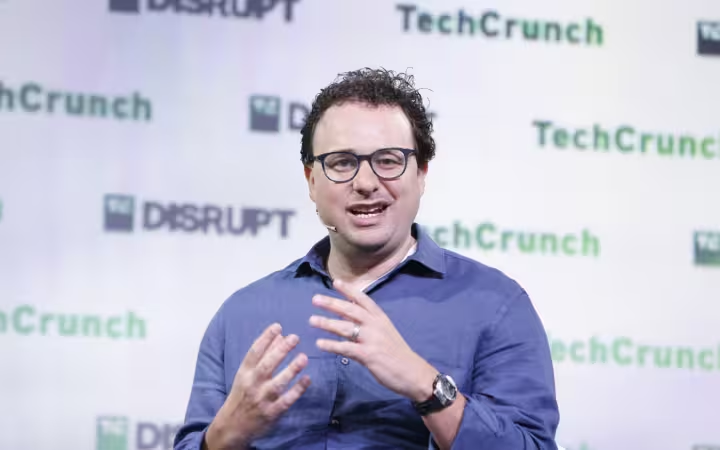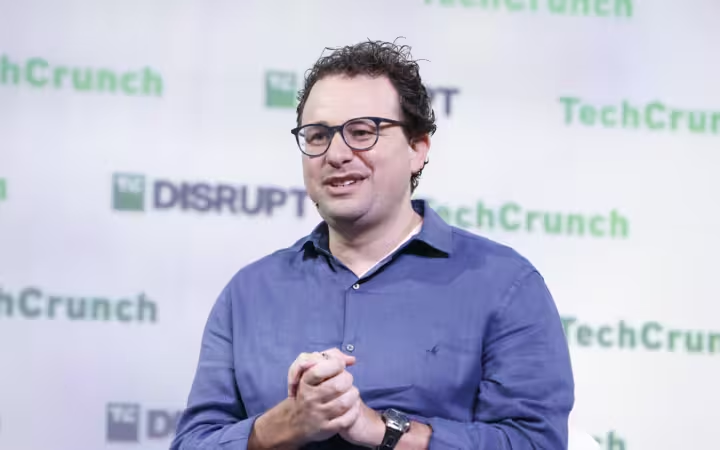
Unconventional AI said on 26 October that it is buying Israeli chip startup NeuReality in a cash-and-stock deal, Reuters reported. About 40 NeuReality staff will join the US hardware company, giving it an established chip-design team as it works to turn its research into products.
Key points
- Unconventional AI is buying NeuReality for cash and shares.
- Chief executive Naveen Rao says about 40 NeuReality employees will join the buyer.
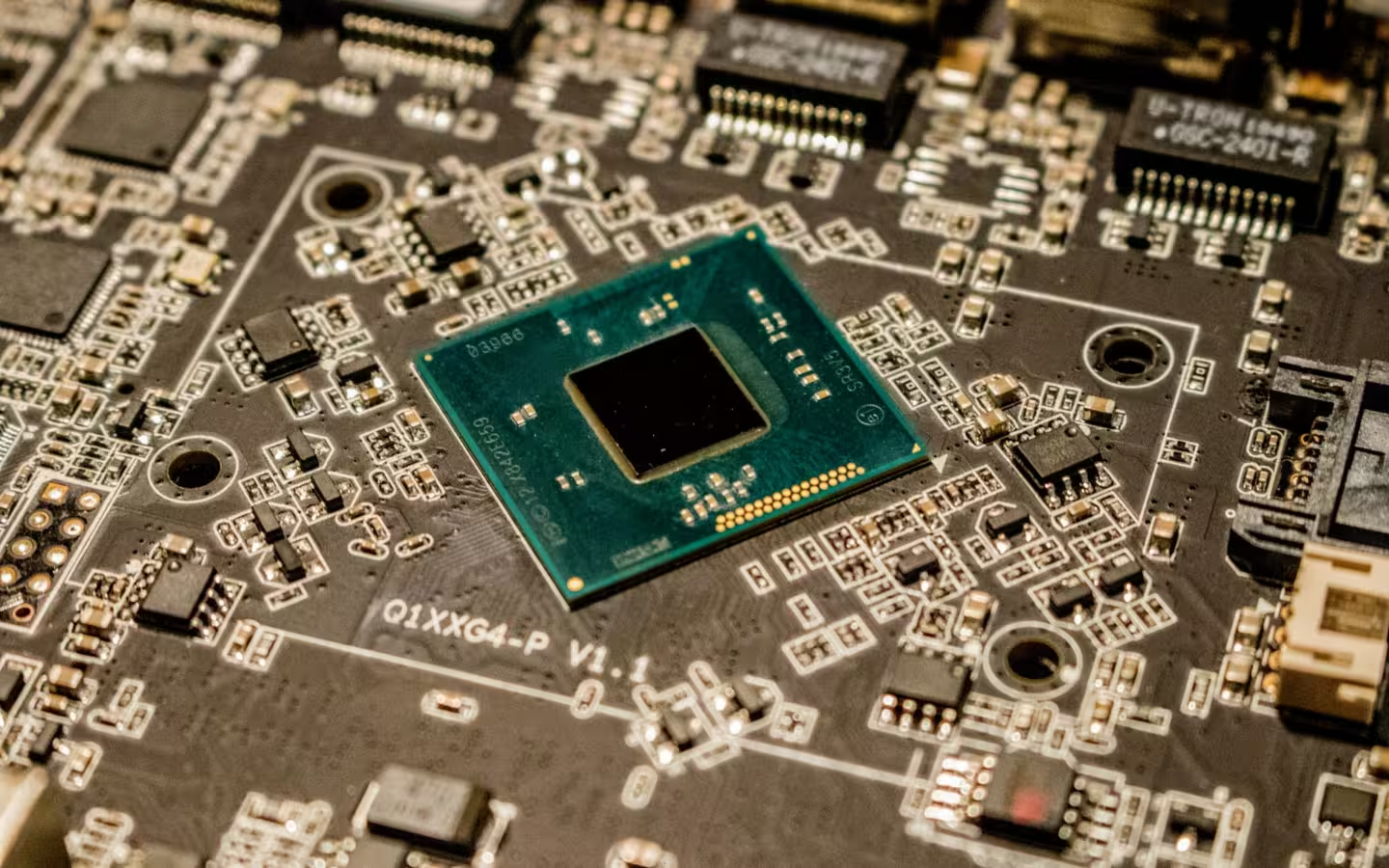
- Unconventional AI says it has built a first test chip and is nearing completion of a second.
- The companies’ boards have approved the acquisition, which is expected to close in the fourth quarter of 2026.
NeuReality adds a team in Israel
Rao said Unconventional AI would retain a presence in Israel. NeuReality works on AI inference infrastructure: the chips and systems used to run trained models. Its work addresses data movement and the coordination of computing systems, according to Calcalistech. Those are product-engineering problems for a buyer whose proposed computing architecture is still under development.
NeuReality was founded in 2019 by Moshe Tanach, Yossi Kasus and a third founder whose name Reuters renders as Tzvika Shmueli. Globes renders that name as Zvika Shmueli. Its roughly 40 employees in Caesarea and Tel Aviv will join a similarly sized team in California, Globes reported. The publication also reported that some NeuReality staff in sales, marketing and finance would be laid off.
Tanach and NeuReality’s founding team will join Unconventional AI, Calcalistech reported. The Israeli company has raised approximately $105 million since its founding, from investors including Arm, Samsung Ventures, Varana Capital, Cleveland Avenue and OurCrowd. For those investors, the deal offers cash and shares in a buyer that has raised substantial funding but has yet to bring its proposed architecture to market.
Rao seeks a route from test chips to products
Rao, Unconventional AI’s chief executive, said the company had developed its first test chip and was nearing completion of a second. When it raised its initial funding, he had expected three years of research and development and five years before a product. He attributed the faster progress to the use of AI tools and said the company consequently sought engineers experienced in delivering finished products. Rao, who had served on NeuReality’s board, previously sold chip startup Nervana to Intel and AI software company MosaicML to Databricks.
Unconventional AI is pursuing what Rao calls a “dynamical systems” approach, drawing on concepts from biological systems. In his description, simple computing elements interact under simple rules and change over time to produce a result, rather than carrying out programmed instructions step by step. The company’s goal is to develop chips that use 1,000 times less energy than current offerings, a target rather than a reported test result.
The buyer describes its proposed architecture as a “4-dimensional compute substrate” and says reaching its efficiency target requires work across device physics, chip architecture and AI models. Rao said in the acquisition announcement that bringing in NeuReality’s team would accelerate its development plans. The company’s first test chip and nearly completed second chip are steps in that work, while NeuReality contributes experience in the systems needed to operate AI models.
A $475 million round and an undisclosed price
Unconventional AI emerged from stealth in December 2025 with a $475 million seed round at a $4.5 billion valuation, when it was about two months old. Reuters identified Andreessen Horowitz and Sequoia among its backers. Calcalistech reported that Andreessen Horowitz and Lightspeed co-led the round, with Sequoia also among the investors. The funding gave the young company resources for a long research programme before Rao said its test chips had prompted the search for a product team.
The companies did not disclose the purchase price. Globes reported market estimates of $150-200 million in cash and shares, and said neither company responded to its request concerning the terms. The deal was expected to deliver a return above the approximately $105 million invested in NeuReality. That remains an expectation, rather than a disclosed transaction value.
Unconventional AI and NeuReality’s boards have approved the acquisition, which is expected to close in the fourth quarter of 2026, Calcalistech reported.