Perplexity launched Teammates on 5 November 2026, giving subscribers AI agents that can hold different roles and keep working inside a shared workspace, The Verge reported. The work-focused release builds on Perplexity Computer, its system for assigning tasks to agents, and puts the company alongside OpenAI and Anthropic in offering agents intended to do more than answer a single request.
Key points
- Teammates use existing Perplexity Computer projects, skills and memory to carry out ongoing work.
- Agents can work simultaneously, pass tasks to one another and exchange messages through Slack.
- Access requires Max. The Verge reports a $200 monthly price; FourWeekMBA reports $167 a month when billed annually.
- Perplexity’s chief executive says its internal workspace has used about 10,000 teammates within the last 30 days.
Perplexity Computer gives Teammates their context
A teammate draws on projects, skills and memory already held in Perplexity’s tools, rather than beginning each assignment with an empty conversation. Each has its own thread in the Perplexity app, where work can be followed and directed. Perplexity says the agents build on Computer to collaborate and undertake ongoing, large-scale work, The Verge reported. Different jobs can be assigned to different teammates at the same time.
That distinction matters because a continuing assignment depends on context surviving between runs. A task that changes over several days calls for the agent to retain its goal, recognise earlier work and use the relevant files when it resumes — closer to leaving papers on a desk for the next shift than starting a fresh search each morning. FourWeekMBA reported that Perplexity’s 4 November blog describes teammates retaining project goals, task history and shared files across runs, while presenting results for review.
Following up on a missing item before a deadline could, under that description, become an ongoing assignment rather than a fresh request each time the work needs checking. It would still depend on what the agent can access and when it asks for a decision: Perplexity’s account describes progress updates and approval requests as part of a teammate’s work.
Perplexity has also worked on the infrastructure beneath agents. The company open-sourced its SPACE agent sandbox and named three partners. Teammates instead brings the continuing agent role into Perplexity’s own workspace. OpenAI introduced its work-focused Dots agents at its San Francisco Dev Day, while Anthropic’s Claude Duet offers another approach to assigning agents work.
Slack messages and separate agent environments
Teammates can communicate with colleagues through Slack and pass work among themselves. ShiftDelete.Net, a Turkish technology publication, reported that each agent has a role and can watch selected Slack channels for new requests. Perplexity’s announcement, quoted by the publication, says the agents use Computer tasks, skills, memory and tools to work proactively.
Putting several agents on continuing assignments raises a practical question about where each one does its work. ShiftDelete.Net reported that teammates have separate desktops, browsers and cookies, and that a person can inspect an agent’s desktop and take over. Its account says plugins and skills operate with the permissions available to the account, while project permissions and the Slack channels an agent watches are set separately.
Perplexity describes separate environments and browser sessions for each teammate, with saved credentials encrypted and entered securely. The same account says work can be reviewed after completion or redirected while an agent is operating. Those controls are part of the product’s proposed way of managing agents that continue working without a new prompt for every step.
The initial web release is a research preview for individual Max subscribers, according to ShiftDelete.Net. It reported that Enterprise Pro and Enterprise Max accounts are not included by default, and that teammates draw on Max’s monthly credit allocation. More complex work or several agents operating at once would consume more of those credits.
Max pricing and Srinivas’s internal count
Access comes through Max, but the two reported prices use different billing descriptions. The Verge put the plan at $200 a month. Max costs $167 a month when billed annually, FourWeekMBA reported. It also reported that the plan includes 10,000 monthly credits for Computer.
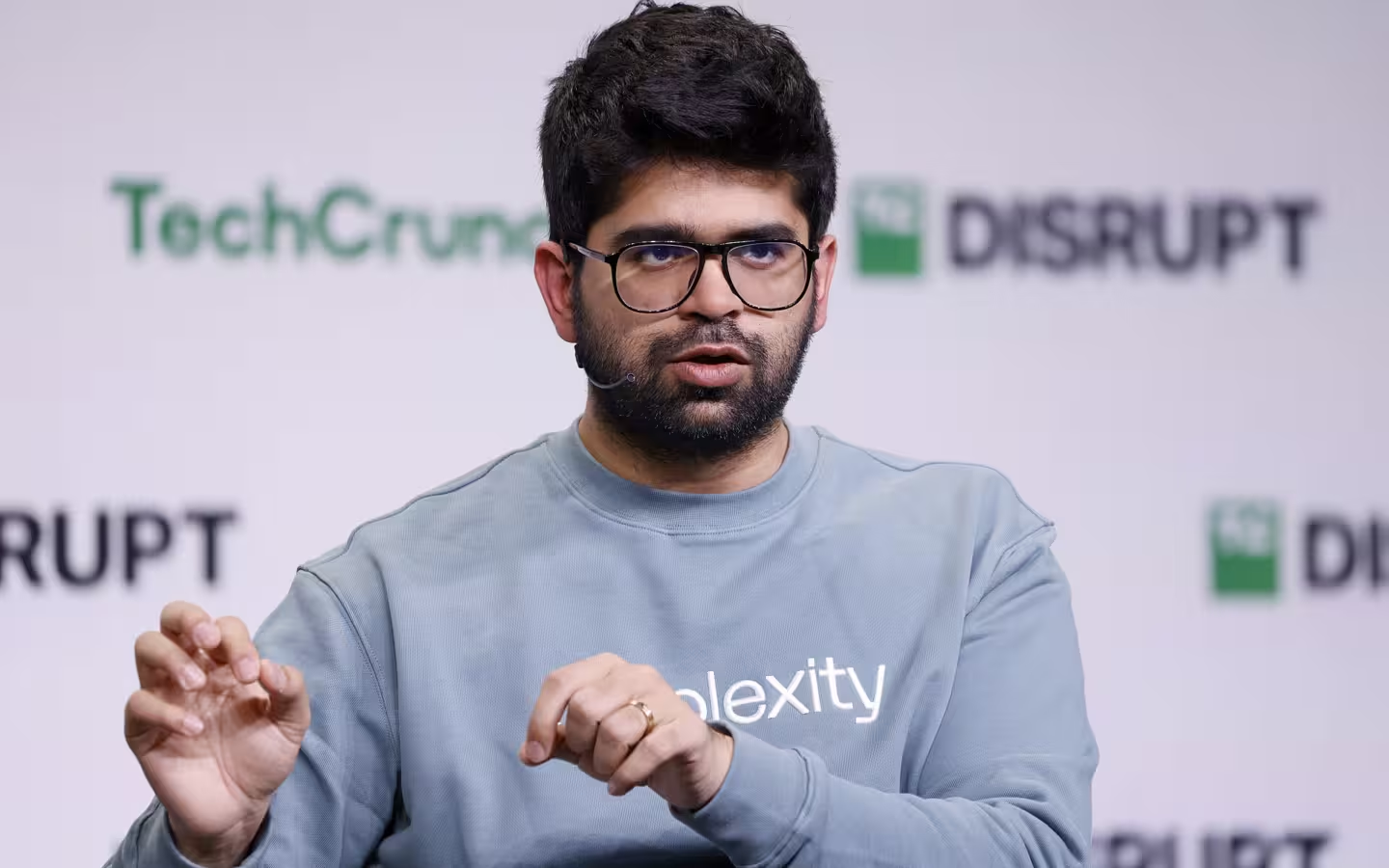
Perplexity chief executive Aravind Srinivas announced Teammates on X at 17:02 UTC on 5 November. He described the agents as a way to give a high-level goal instead of writing prompts in a session, and said the web release was rolling out to Max subscribers.
In a later post that day, Srinivas said Perplexity had about 10,000 teammates in its internal workspace within the last 30 days, a count he described as 20 times its headcount. He said about 1,000 had been active on 4 November.