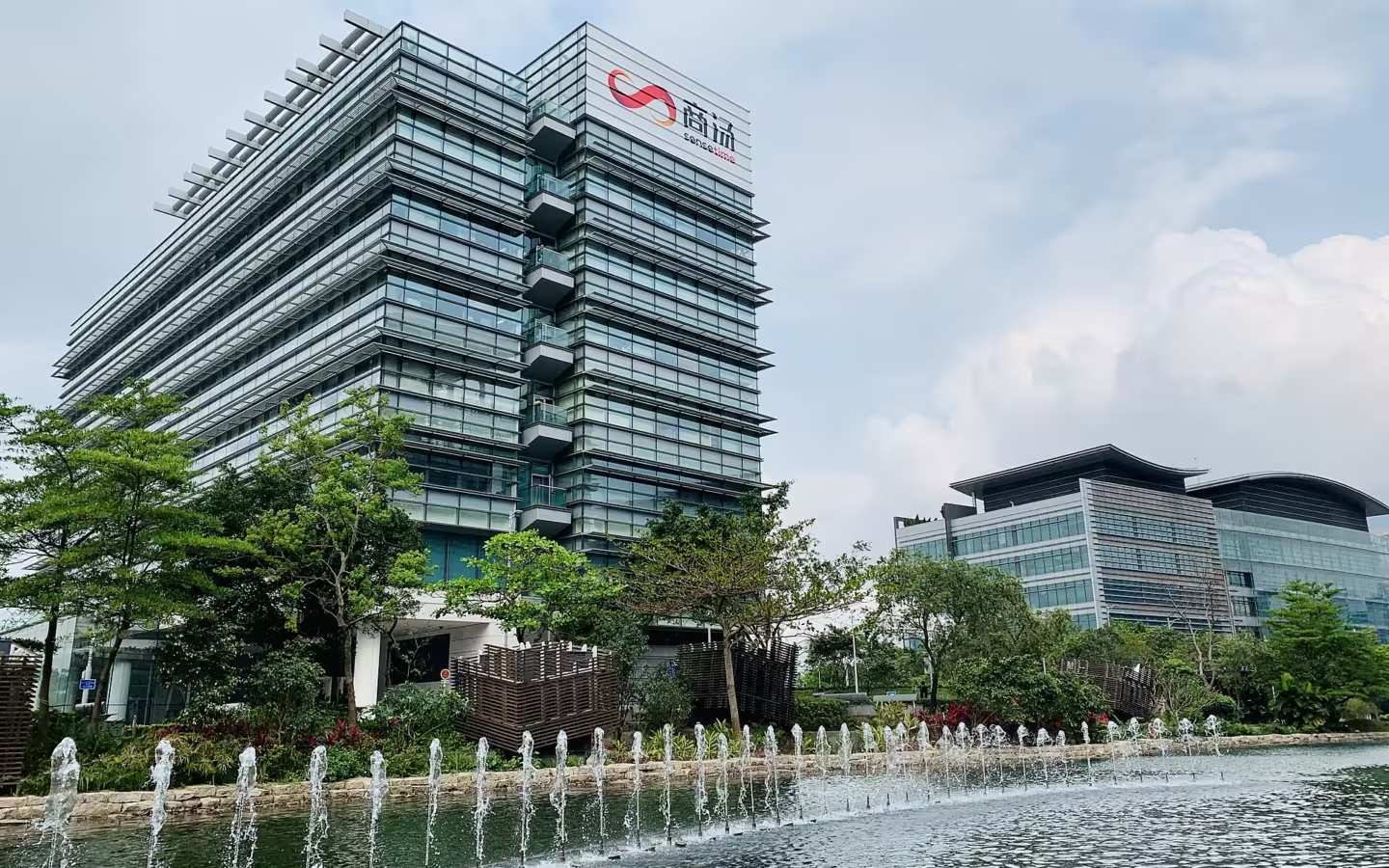
On 21 October, Pandaily reported that SenseTime had open-sourced SenseNova-RoboRSI, a framework for evaluating robot AI, alongside SenseNova-RoboRSI-27B-Preview. The release followed the company’s tests of GPT-6-Astra on 12 simulated benchmarks and 8 physical robots.
SenseTime gave GPT-6-Astra training demonstrations and up to 10 times the official limit on interaction steps, allowing more chances to adjust its actions. The company says the model reached 81.9% success on RoboDojo. In its extended-budget tests, putting a pen into a pen holder took 263 minutes and about $55 in estimated inference costs.
Putting a pen into a pen holder could become more achievable with additional attempts, but the time spent on those attempts would remain part of the task.
The open-source harness puts each benchmark and its dependencies in a separate Docker image, while a shared HTTP API handles interaction and scoring. SenseTime reports a 20.83% RoboDojo task success rate for its 27B model and says the model completes embodied tasks at one-fiftieth of GPT-6-Astra’s cost.
Pandaily reported that none of SenseTime’s results have been independently verified.