Meta, EssilorLuxottica and Milan’s Pinacoteca di Brera launched an AI glasses pilot on 14 October that lets blind and low-vision visitors hear descriptions of eight artworks, Meta said. The glasses provide another way to use the museum’s existing Grande Brera app and audio tour.
Key points
- Visitors activate artwork recognition at eight selected works and hear the existing tour through speakers in the frames.
- Ten pairs are available by booking, according to Il Foglio.
- The pilot includes a voice assistant and access to sighted volunteers through Be My Eyes.
Grande Brera’s eight-work audio tour
The project, called Sensing Art – Discovering Masterpieces Beyond What Meets the Eye, puts glasses developed by Meta and EssilorLuxottica into a museum visit designed for people who are blind or have low vision. Meta said visitors standing before a selected work can activate recognition from the glasses. The corresponding description then plays through open-ear speakers in the frames.
The app already contains an audio tour developed by Associazione Nazionale Subvedenti (ANS). It uses the DescriVedendo method to put an artwork’s shapes, composition and other visual details into spoken words, according to Meta. Short audio tracks also help visitors move between the works. The glasses change how visitors reach that material during the tour.
Brera has used the method for 10 years. For each of the eight works, visitors can choose among a description of its visual features, an account of its artistic history and a biography of the artist, WWD reported. The works include Francesco Hayez’s The Kiss, Andrea Mantegna’s The Dead Christ and Raphael’s The Marriage of the Virgin.
Meta calls the method DescriVedendo. WWD spells its name DescriVivendo. WWD reported that the initiative was presented on 13 October, a day before the launch date given by Meta. The museum’s earlier tour offered the descriptions without requiring visitors to use the glasses.
Ten pairs available at Brera
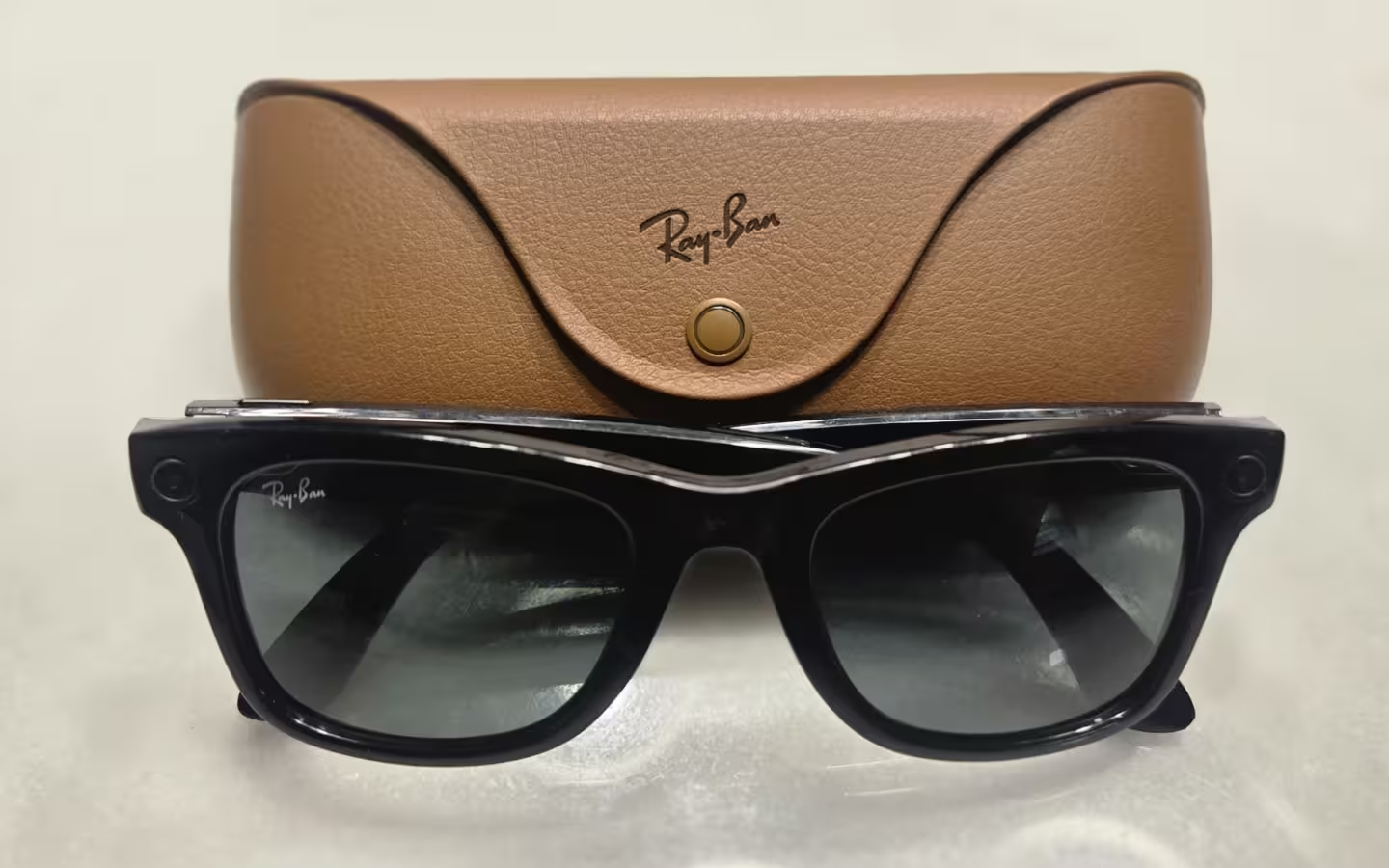
Ten pairs of Ray-Ban Meta glasses are available through online booking, Il Foglio reported on 15 October. The publication said the number of pairs would increase shortly. Its account places a defined supply of devices behind the museum trial, alongside the eight works on the itinerary.
Meta said the pilot was developed through testing and consultation with blind and visually impaired people. The partners worked with ANS, Unione Italiana dei Ciechi e degli Ipovedenti (UICI) and Fondazione Istituto dei Ciechi di Milano. According to Meta, participants helped shape both the visit and the way people access it.
Davide Schinetti, EssilorLuxottica’s chief operating and research and development officer, said the glasses had been developed in the company’s laboratories and manufacturing facilities. Maxine Williams, Meta’s vice president of accessibility, described the initiative as the product of continuing dialogue with people with disabilities. Their comments accompanied a trial built around the museum’s established descriptions rather than a replacement for them.
Meta AI and Be My Eyes support
The glasses also give visitors access to Meta AI for questions about their surroundings and the context of a work. A separate Be My Eyes connection lets them seek real-time help from sighted volunteers and qualified operators with orientation and practical tasks during the visit, Meta said. Those tools sit alongside the artwork recognition and recorded descriptions.
The open-ear speakers allow visitors to hear the tour while remaining aware of sounds around them, according to Meta. WWD reported that visitors can adjust playback of the tour material. The orientation tracks run between works, while recognition starts when a visitor is in front of an artwork included in the pilot.
Meta said more than one million people in Italy are blind or visually impaired. Angelo Crespi, director of Grande Brera, said the museum was adding another way to use DescriVedendo. His description of Brera as a place for testing new tools sets the glasses within the museum’s continuing accessibility work.
Pinacoteca di Brera offers the glasses by reservation from Tuesday to Friday, between 10:00 AM and 4:30 PM, according to Meta. Visitors booking the tour are asked to provide their preferred date and time and any specific requirements.