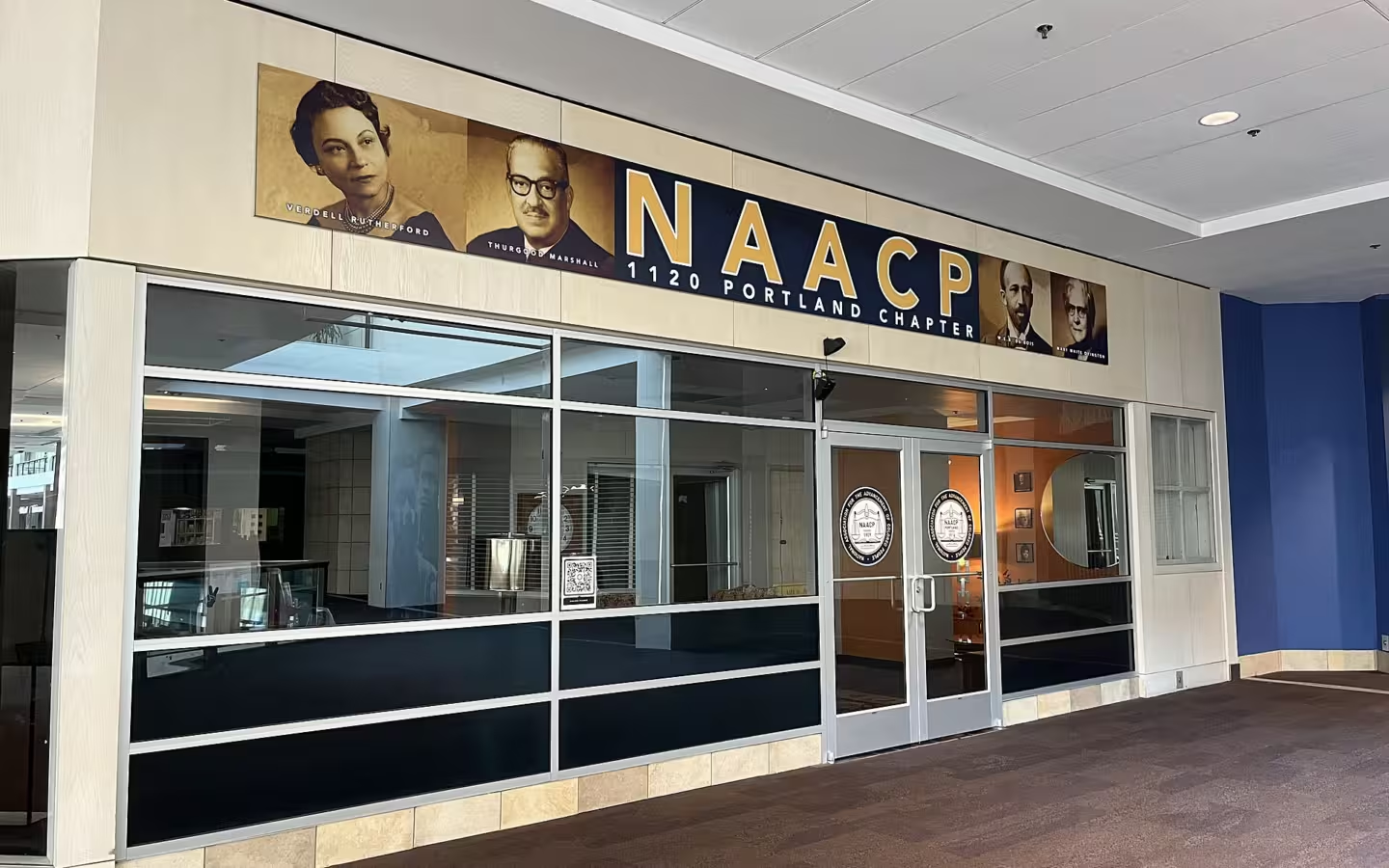
Judge Debra M. Brown of the U.S. District Court for the Northern District of Mississippi denied xAI’s motion to dismiss the NAACP’s Clean Air Act lawsuit on 30 October, according to Earthjustice, one of the groups representing the plaintiffs. The NAACP alleges that xAI operated gas turbines without the air permits required for a power plant supporting its Colossus 2 data centre. The ruling allows that allegation to proceed in court.
Key points
- Brown rejected xAI’s argument that the turbines were mobile sources exempt from air-permit requirements.
- The court also rejected xAI’s constitutional challenge to Clean Air Act citizen suits.
- The NAACP’s allegation that the company violated federal air pollution law can proceed. Its request for a preliminary injunction remains pending.
Brown rejects xAI’s mobile-source argument
xAI argued that its turbines were mobile and therefore exempt from permitting requirements, TechCrunch reported. Brown held that the combustion turbines were not “mobile sources” under Mississippi’s State Implementation Plan, the state’s framework for applying federal air pollution requirements. That finding keeps the NAACP’s permit allegations in the case. The company’s argument concerned the legal treatment of the turbines, rather than a permit for the data centre itself.
The company also challenged the plaintiffs’ right to sue and the constitutionality of the Clean Air Act provision that permits citizens to bring enforcement cases. Brown found that the plaintiffs had statutory standing. On the constitutional point, she wrote that citizen-suit plaintiffs bring cases in their own names and seek penalties to redress harm to themselves. They therefore “are not exercising the federal government’s executive power,” according to the decision quoted by TechCrunch. The court rejected xAI’s objections under Article II of the Constitution and the private nondelegation doctrine, which concerns the transfer of government authority to private parties.
The decision concerns a motion to dismiss, rather than a determination of whether xAI violated the Clean Air Act. DeSoto County News, a Mississippi local news outlet, reported that the court had rejected two of the company’s principal defences while leaving the alleged violation to be decided. The distinction matters for the relief the NAACP is seeking: the plaintiffs can continue their case, but the court has not decided whether the turbines were operated unlawfully.
The NAACP’s Southaven permit case
The Southern Environmental Law Center and Earthjustice filed the lawsuit on the NAACP’s behalf in April 2026, CNBC reported. The complaint alleges that xAI and its subsidiary MZX Tech installed and operated 27 gas turbines in Southaven, Mississippi, between August and December 2025 without an air permit. TechCrunch reported a different count: the Southern Environmental Law Center alleged that xAI put 35 or more combustion turbines into place and ran them at Colossus, together with other sources of air pollution, without the required permits.
The Southaven plant supports the Colossus 2 data centre, according to Earthjustice. The group says the turbines can emit more than 5,000 tons of nitrogen oxides, 400 tons of fine particulate matter and 47 tons of formaldehyde each year. Those are the plaintiffs’ figures for potential annual emissions. They form part of the NAACP’s case about pollution affecting nearby communities, rather than a finding in Brown’s ruling on the motion to dismiss.
CNBC reported that xAI is now owned and operated by SpaceX and has been rebranded SpaceXAI. The lawsuit names conduct alleged to have taken place in 2025, before the NAACP filed its complaint. For the company, the immediate consequence of Brown’s decision is that it must continue defending the federal case concerning the Southaven turbines. For the NAACP, the ruling preserves its ability to pursue its Clean Air Act allegations through a citizen suit.
Justice Department bid and Mississippi permits
The same court rejected a Justice Department bid to dismiss the NAACP’s case earlier in October. The department had also sought the right to dismiss the NAACP’s Clean Air Act suit through a crossclaim. DeSoto County News reported that the court denied the department’s dismissal request on 19 October and allowed the federal government to join only as an intervenor.
Mississippi’s environmental regulator issued a state permit in March for permanent turbines at the Southaven site, DeSoto County News reported. The outlet also reported that the company has said it plans to phase out the temporary units. Those permanent turbines and the units challenged in the NAACP’s lawsuit are treated separately in the local account. Brown’s ruling addresses xAI’s argument that the turbines at issue in the lawsuit were exempt from permitting as mobile sources.
Earthjustice said the NAACP’s request for a preliminary injunction remains pending. That request asks the court to intervene while the lawsuit continues, separately from its eventual decision on the alleged Clean Air Act violations.